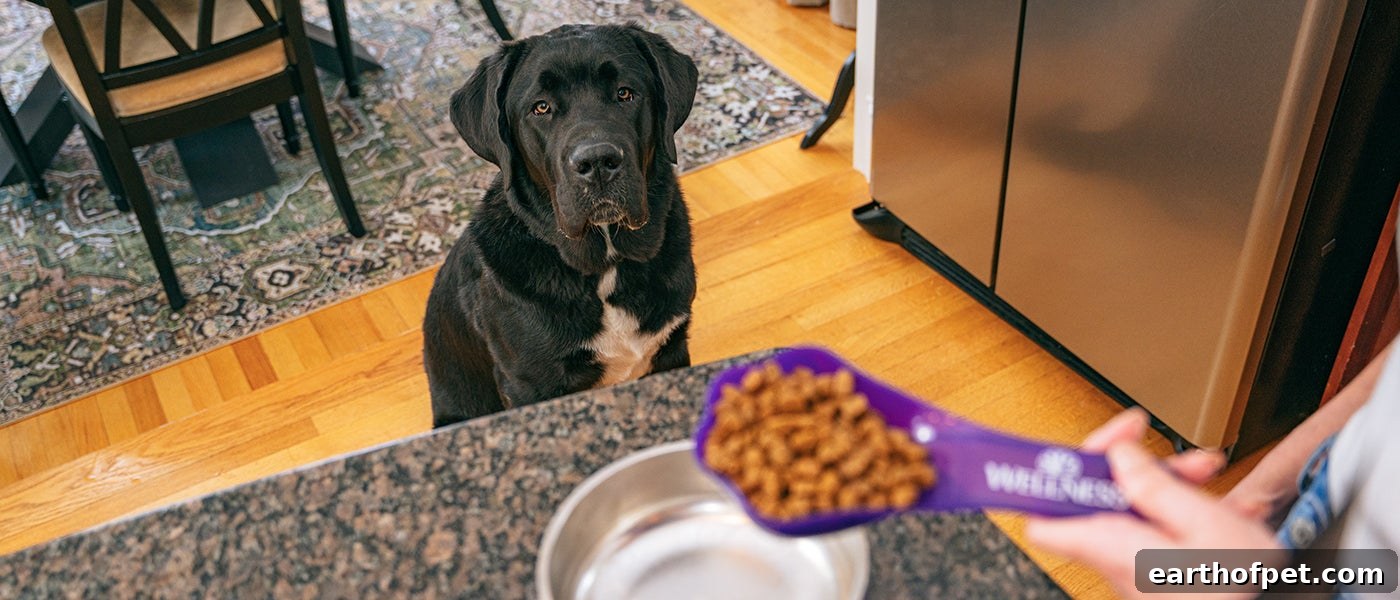
Dog Food for Picky Eaters
Picky eating is common in dogs, much like in young children, and it can be frustrating for pet owners. When a dog refuses to eat, owners are left guessing the cause. Loss of appetite can stem from a minor digestive upset, anxiety, inconsistent feeding routines, dental pain, or simply boredom with the same food every day. Because dogs can’t tell us what they’re thinking, observing behavior and trying targeted solutions is the best way to discover what will get them excited about mealtime again.
One practical step is reconsidering the type of dry food you offer. Some dogs reject traditional kibble because it doesn’t resemble the kinds of foods their ancestors ate. Switching to a high-protein kibble that contains freeze-dried raw pieces or more intense flavors can make a big difference. For example, Wellness CORE RawRev combines high-protein kibble with freeze-dried raw bites of meats like turkey and lamb. It is formulated without fillers or artificial ingredients and is available in both Wholesome Grains and Grain-Free options so owners can choose what fits their dog’s needs and preferences. Many pet parents have seen renewed interest when introducing freeze-dried meat pieces into a dog’s bowl.
You don’t need to change a diet overnight. Gradual adjustments and simple mealtime strategies often resolve picky eating without a full food overhaul. Below are practical, veterinarian-friendly tips to help your dog become a more reliable eater.
- No People Food: Feeding table scraps or human food regularly trains dogs to hold out for something tastier than their own food. Eliminate or strictly limit people food so your dog relearns that their bowl is the source of satisfying meals.
- Limit Treats: Treats are useful for training, but overuse can spoil an appetite. Reserve treats for rewards and training sessions rather than using them as a daily substitute for balanced meals.
- Consistent Feeding Schedule: Offer meals at the same times each day and remove uneaten food after 15–20 minutes. A predictable routine helps reset appetite cues and reduces grazing between meals.
- Warm Water or Broth: Adding a little warm water or low-sodium broth to dry food softens the kibble and releases aroma, making meals more appealing. This can be particularly helpful for older dogs or those with dental sensitivity.
- Mixers and Toppers: Flavorful mixers and toppers add protein, moisture, and variety to a meal. Products like CORE Simply Shreds and CORE 95% (offered by Wellness) provide concentrated meat or fish that can entice picky eaters. Use these as directed; many toppers are designed to supplement, not replace, nutritionally complete kibble.
- Wet Food: Canned or pouched wet food can closely mimic the texture and aroma of fresh meat, which many dogs find irresistible. Offering wet food occasionally or rotating it with dry food can break monotony and encourage eating.
- Rotate Proteins: If tolerated, rotating proteins (chicken, turkey, lamb, fish) can prevent flavor fatigue and expose your dog to a wider range of nutrients—introduce changes gradually to avoid digestive upset.
- Check for Dental or Medical Issues: Dental pain, mouth sores, gastrointestinal problems, and other medical conditions can reduce appetite. If picky eating appears sudden, severe, or is accompanied by vomiting, diarrhea, lethargy, or weight loss, consult your veterinarian promptly.
- Calm Feeding Environment: Reduce distractions and anxiety during mealtime by offering food in a quiet area. Multiple-dog households may need separate feeding spaces to prevent competition and stress.
Before making significant diet changes, consult your veterinarian to rule out underlying health problems and to confirm any new food is appropriate for your dog’s life stage and nutritional needs. Your vet can also advise on portion sizes and how to transition foods safely.
Be patient. Many dogs test new routines before settling into them. While some will resume eating quickly, others need repeated exposure to new textures and flavors. With consistent feeding habits, the strategic use of toppers or different formats (wet, freeze-dried, or mixed diets), and guidance from your veterinarian, most picky eaters can be encouraged to eat well again.
Wellness offers a range of clean, premium recipes for dogs with selective appetites, and all Wellness recipes are backed by a satisfaction guarantee. If one of their products does not meet your expectations, you can return the unused portion with a receipt to the retailer for a full refund. For questions about product nutrition or help selecting a food, contact the Wellness Consumer Affairs team at 800.225.0904, Mon–Fri, 8am–5pm ET.