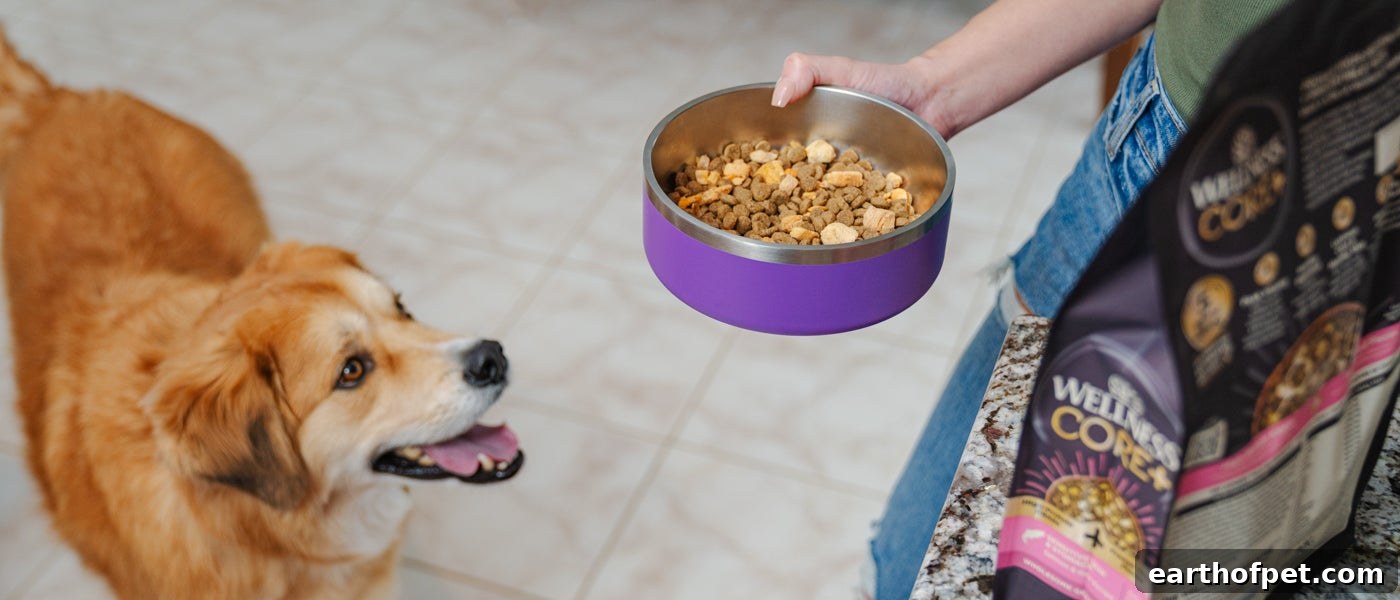
Confusing food allergies with food sensitivities (also called food intolerances) is a common mistake many pet owners make. Although the outward symptoms often look similar—itchy skin, recurring ear infections, digestive upset—the underlying causes and the best ways to manage them are different. Distinguishing true food allergies from sensitivities helps you choose the right diet and care plan to reduce your dog’s discomfort and prevent ongoing problems.
What Is The Difference Between Food Allergies and Food Sensitivities?
Dog Food Allergies:
A true food allergy is an immune system reaction. The dog’s immune system wrongly identifies a specific food ingredient as harmful and mounts an immune response. True food allergies are less common than food sensitivities. In dogs with allergic disease, research indicates that only a minority of cases are caused by food; other common triggers include fleas, environmental allergens, and parasites.
How to Recognize Food Allergy Symptoms:
- Intense, persistent itching
- Chronic or recurrent ear inflammation
- Repeated gastrointestinal problems such as chronic diarrhea or excessive gas
- Visible skin redness and irritation
- Patchy hair loss or thinning coat
Common food allergens for dogs include beef, dairy, wheat, egg, chicken, lamb, soy, pork and corn, though any ingredient can be an allergen in a susceptible animal. Allergic reactions can appear quickly after exposure or become noticeable only after repeated exposures to the offending ingredient.
Dog Food Sensitivities:
Food sensitivities are non‑allergic reactions that usually stem from a dog’s inability to properly digest or tolerate certain ingredients. Sensitivities can develop to proteins, dairy, grains, artificial colors or flavors, and to chemical preservatives. Symptoms may build up over time or show up relatively soon—often within 48 hours after eating the problem food.
How to Recognize Food Sensitivity Symptoms:
- Poor overall skin condition and dull coat
- Persistent itchiness or an itchy coat
- Recurrent ear infections
- Yeast overgrowth on the feet
- Frequent bacterial skin infections
- Loose stools or changes in stool consistency
- Vomiting, diarrhea and increased gas
Treating Food Allergies & Sensitivities
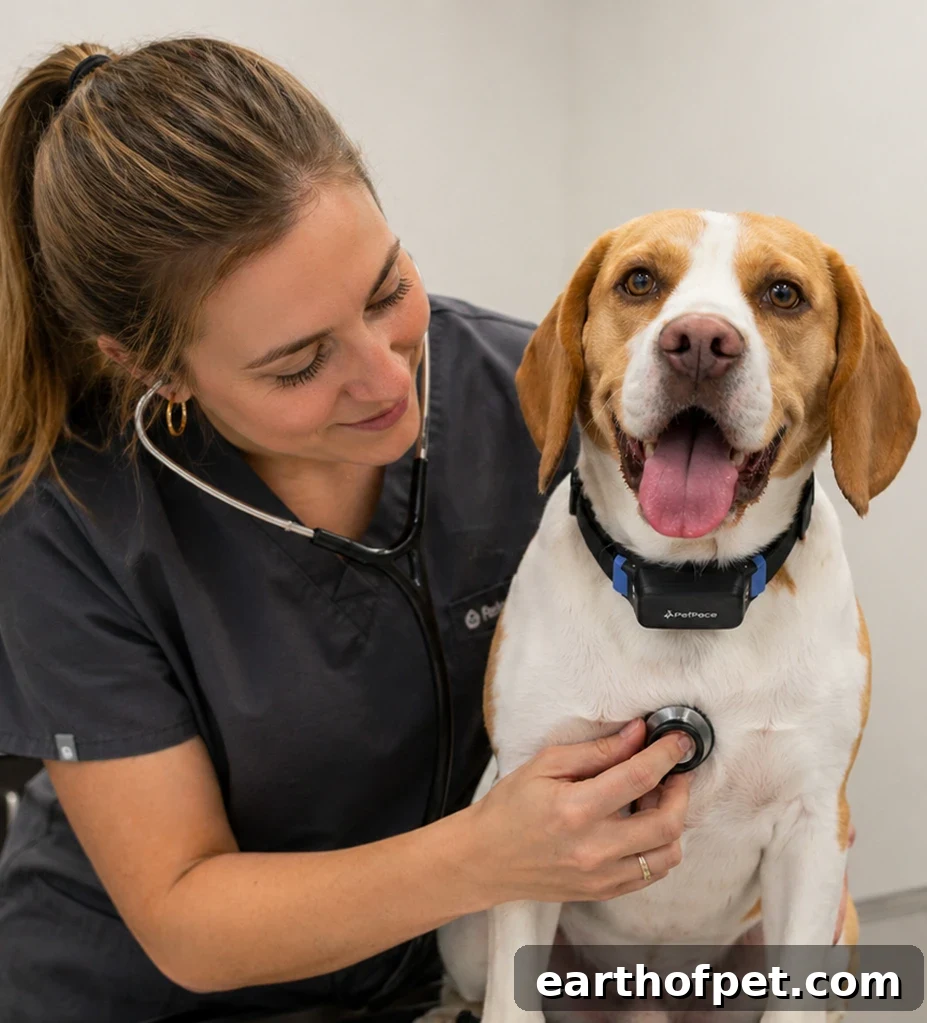
If you suspect your dog has a food allergy or sensitivity, consult your veterinarian first. A veterinary assessment helps rule out other causes and establishes an appropriate diagnostic and treatment plan. The gold-standard method for diagnosing food-related problems is an elimination diet followed by a controlled challenge.
An elimination diet reduces the number of ingredients your dog eats so you can identify the one causing the reaction. Common options include limited-ingredient diets, novel protein diets (using proteins your dog has never eaten before), and hydrolyzed protein diets where the protein is broken into tiny pieces that are less likely to trigger an immune response. Grain-free or limited-ingredient diets are often used while determining the cause, but the best choice depends on your dog’s history and veterinary guidance.
Elimination trials typically last several weeks—many veterinarians recommend an initial strict trial of about 8 to 12 weeks—because some signs take time to improve. During this period, avoid all treats, table scraps, flavored medications, and food toppers that contain unknown ingredients. If symptoms resolve on the elimination diet and then recur when the original food is reintroduced, this confirms a food-related issue.
Supportive nutritional features can help dogs with digestive issues. Diets formulated with highly digestible ingredients, added digestive enzymes, prebiotic fibers and guaranteed probiotic levels may support gut health and stool quality, which in turn can benefit skin and coat. Some commercial recipes are designed to be hypoallergenic and avoid common triggers, but always check ingredient lists and discuss options with your veterinarian.
Practical tips for managing food reactions:
- Keep a detailed food and symptom diary to track changes after diet adjustments.
- Introduce any new food slowly and monitor for signs for at least several weeks.
- Limit treats and chews to the same ingredient profile as the main diet during a trial.
- Work with your veterinarian on diagnostic testing and follow-up to confirm findings and plan long-term feeding.
Managing food allergies and sensitivities can be challenging, but with careful observation, veterinarian-guided testing, and a controlled feeding strategy, most dogs find relief. Reducing offending ingredients in the main food—and in treats and toppers—helps protect your dog from repeated flare-ups and supports overall wellbeing, from digestion to skin and coat health.