Can Dogs Eat Turkey? A Safe Thanksgiving Guide
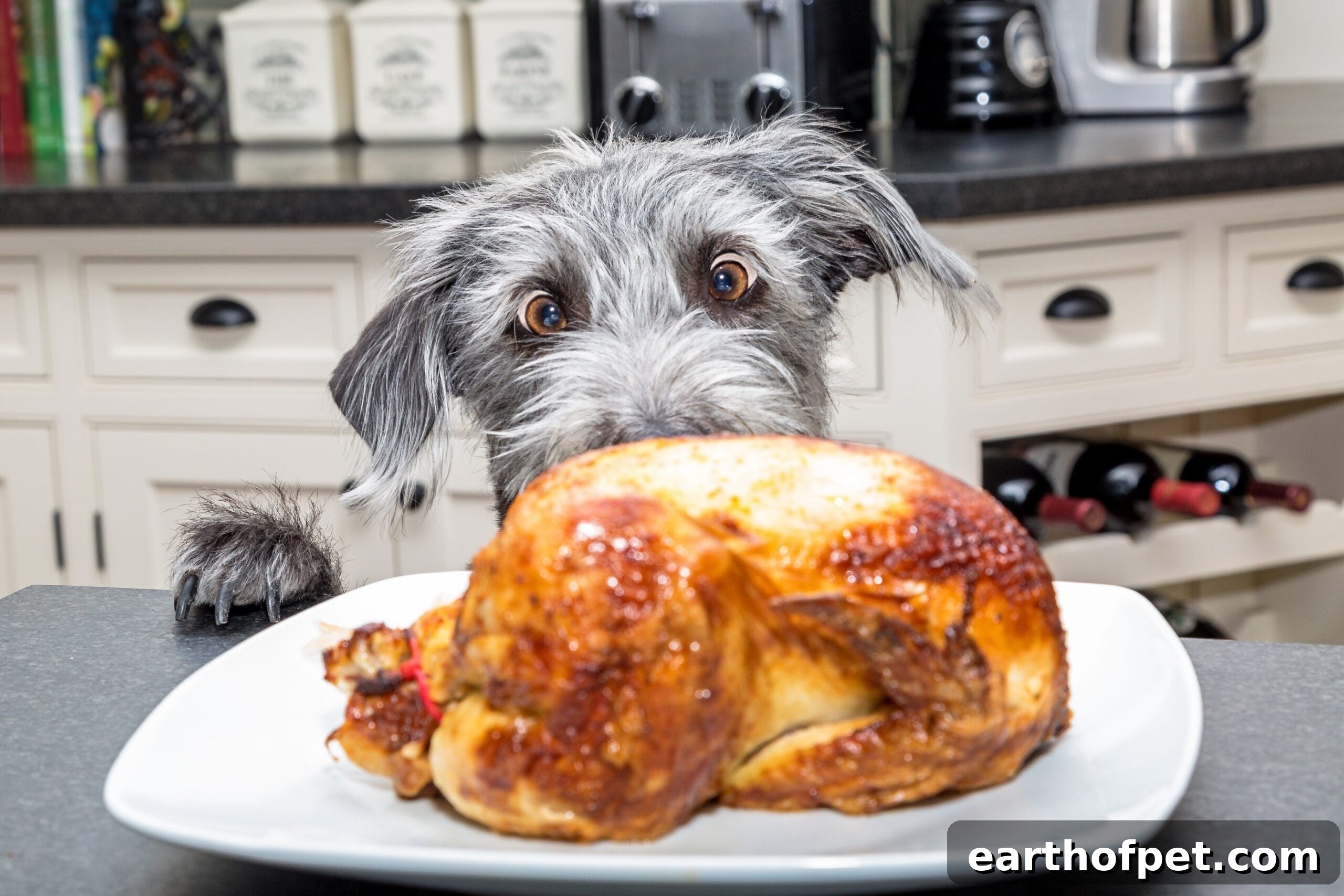
When you’re planning your Thanksgiving menu and your dog is lying underfoot hoping for a handout, it’s natural to wonder: can dogs eat turkey? Many commercial dog foods and treats list turkey as an ingredient, so it seems like a familiar, safe choice. The reality is that turkey can be safe and nutritious — but only when prepared and served the right way.
When Turkey Is Safe for Dogs
Plain, cooked turkey meat — especially skinless turkey breast — is generally safe for dogs in small amounts. Turkey is a good source of lean protein and contains nutrients like phosphorus and riboflavin that support overall health. If you want to share turkey with your dog on Thanksgiving, choose unseasoned, skinless pieces of white meat and offer them in moderation as an occasional treat.
When to Say No: Seasonings, Skin, Fat and Stuffing
Holiday turkey is often prepared with ingredients that are harmful or upsetting to dogs. Garlic and onions, whether fresh, powdered, or cooked into stuffing and gravy, are toxic to dogs and can damage red blood cells. Rich, fatty foods such as turkey skin, butter, and gravy can trigger stomach upset and, in some cases, pancreatitis — a painful inflammation of the pancreas that requires veterinary care.
Stuffing itself can contain onions, garlic, raisins, or other ingredients that are unsafe or indigestible for dogs. For these reasons, avoid giving your dog turkey that was roasted with seasonings, served with gravy, or mixed with stuffing.
Cooked Bones and Other Hidden Dangers
Do not give your dog cooked turkey bones. When cooked, bones can splinter easily and may cause choking, mouth or throat injuries, intestinal blockage, or perforation — emergencies that often require surgery. Always keep turkey bones and carcass scraps well out of reach.
How to Share Turkey Safely
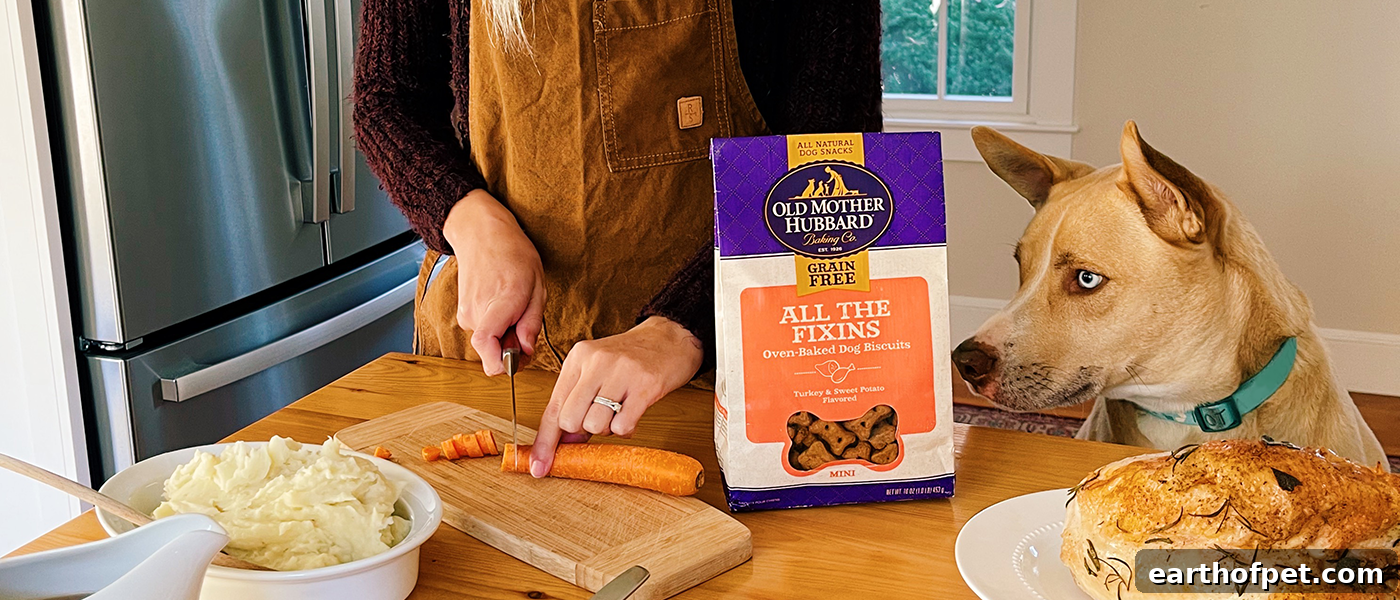
If you decide to give your dog a taste of Thanksgiving turkey, follow these simple rules:
- Offer only small amounts of plain, cooked, skinless turkey meat.
- Never give cooked bones, skin, stuffing, gravy, or seasoned meat.
- Avoid high-fat trimmings and limit portions to prevent digestive upset.
- Serve turkey as an occasional treat, not a meal replacement; keep your dog’s regular diet and feeding schedule.
Alternatives and Better Options
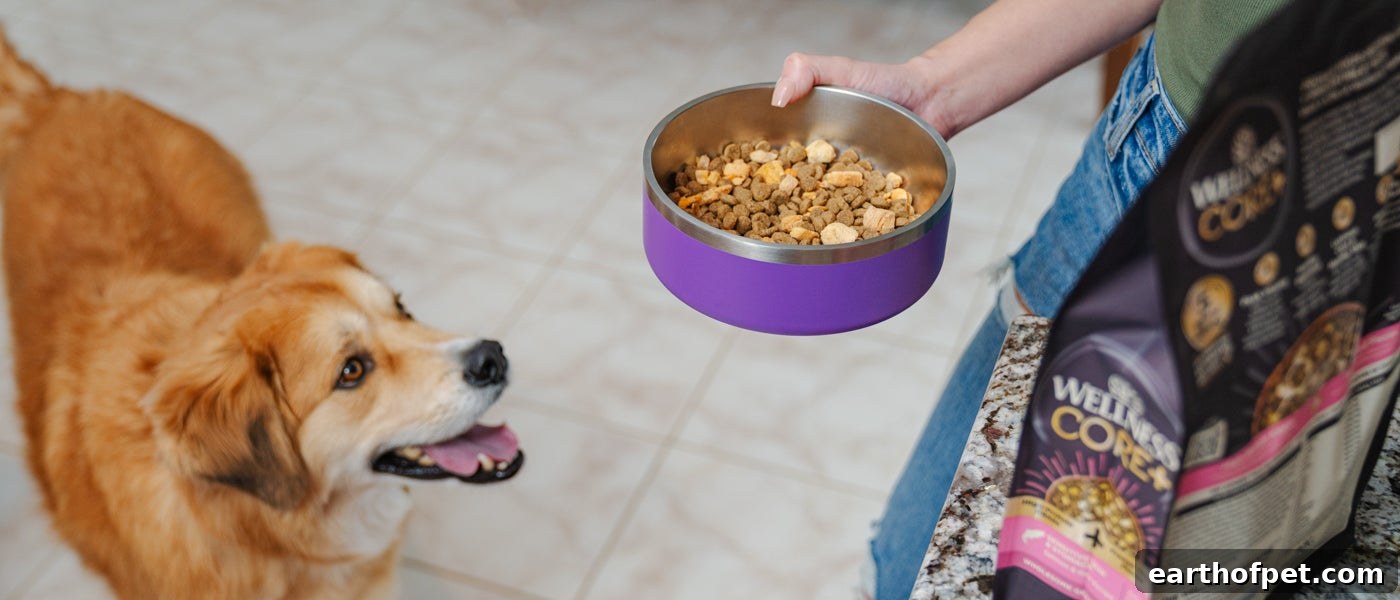
If you’d rather not risk table scraps but still want your dog to join the celebration, choose treats specifically formulated for dogs. There are many turkey-flavored treats and dog-safe snacks made from turkey that are produced to meet pet nutrition standards without harmful seasonings or excess fat. You can also prepare a small portion of plain, unseasoned turkey at home and set it aside before you add any spices or butter.
Watch for Trouble and Prevent Guest Handouts
Keep an eye on your dog after any novel food. Signs of gastrointestinal upset include vomiting, diarrhea, loss of appetite, abdominal pain, or lethargy. If your dog shows any of these symptoms or if you suspect they ate something dangerous (like cooked bones or a large amount of fatty gravy), contact your veterinarian right away.
Remind family members and guests not to feed table scraps. Even well-intentioned handouts can quickly lead to problems, especially with children who may not recognize what’s safe or how much to give.
Final Thoughts
Turkey can be a tasty occasional treat for dogs when served plain, skinless, and boneless. Avoid seasonings, fatty parts, stuffing, gravy, and cooked bones to reduce the risk of toxicity, digestive upset, or pancreatitis. With a little planning — and firm reminders to guests — you can keep your pup safe and happy while enjoying the holiday together.