A snowy day can be a delightful chance to play with your dog, but cold weather brings real risks such as frostbite and hypothermia. Not every dog is suited for extended time outdoors in winter—breed, age, coat type and health all affect how well your pet tolerates cold. Read on for practical, SEO-friendly dog winter safety tips and guidance on how long it’s reasonable to let your dog play in the snow.
How long is it safe for my dog to play in the snow?
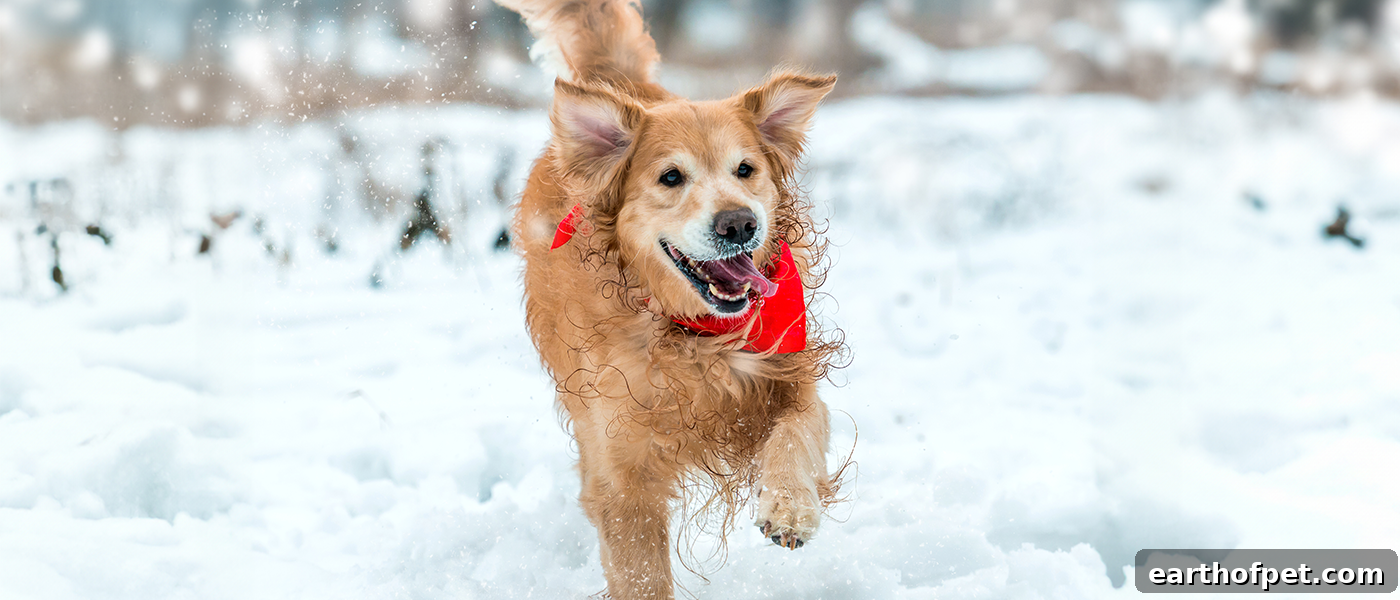
There’s no one-size-fits-all answer, but a common guideline is to limit unsupervised play in deep cold to roughly 20–30 minutes for small, short-haired, elderly or otherwise vulnerable dogs. Dogs with thick double coats can usually tolerate colder temperatures for longer periods, but even they will eventually feel the effects of wind, wet snow and ice buildup on their paws. If you need a heavy coat, hat and gloves to be comfortable outside, your dog probably needs an extra layer too.
Before going out, consider a sweater, coat or insulated jacket for short-haired breeds, toy breeds and older dogs. Watch your dog closely while outside: signs that it’s time to go in include persistent shivering, whining, slowing down, lifting or favoring paws, or staying unusually close to you as if asking to return indoors. Adjust playtime based on temperature, wind chill and how wet your dog becomes.
Can my dog get frostbite?
Yes. Frostbite can occur when exposed skin and tissues freeze after prolonged exposure to cold, especially when a dog is wet. Paws, ear tips, the tail and any exposed belly skin are the most vulnerable areas. Early signs of frostbite include pale or bluish-white skin, coldness to the touch, swelling, stiffness and a reluctance to use an affected limb. As the condition progresses, tissue may become dark and painful.
Protecting paws with dog booties or socks can reduce the risk of frostbite and keep your pet comfortable for longer periods outdoors. If your dog resists booties at first, try short indoor practice sessions with soft baby socks or lightweight dog socks to get them accustomed to the sensation. After outdoor play, inspect paws and exposed skin for discoloration, swelling or ice balls between toes, and warm any cold areas gradually—do not rub frozen tissue.
Can my dog get hypothermia?
Yes, dogs can develop hypothermia when their core body temperature falls below the normal range for an extended period, especially in wet, windy or icy conditions. Signs to watch for include uncontrollable shivering, lethargy, stiffness, slow breathing, a weak pulse, and a tendency to curl up or seek shelter. Puppies, elderly dogs, sick animals and dogs with little body fat are at higher risk.
If you suspect hypothermia, move your dog to a warm, dry environment immediately and wrap them in a blanket. Offer warm (not hot) fluids if the dog is conscious and able to swallow. Contact your veterinarian right away—hypothermia can be life-threatening and requires professional care.
What can I do for dog paws in the snow?
Paw protection is one of the best ways to keep your dog safe and comfortable in winter. Snow and ice can form clumps between paw pads, causing pain and limiting mobility. Road salt and de-icing chemicals can irritate or burn paw pads and may be toxic if licked off. To protect paws:
- Use dog booties or high-quality paw wax as a barrier against snow, ice and salt.
- Check and wipe paws after every walk to remove ice, salt and chemical residue.
- Keep the fur trimmed between pads to reduce ice buildup; avoid cutting too close to the skin.
- Consider a pet-safe de-icer for your own walkways and avoid areas that look heavily salted.
Also be vigilant about antifreeze spills, which are highly toxic and can attract pets because of their sweet taste. If you suspect your dog has licked antifreeze or is showing signs of poisoning—drooling, vomiting, seizures, weakness—seek veterinary care immediately.
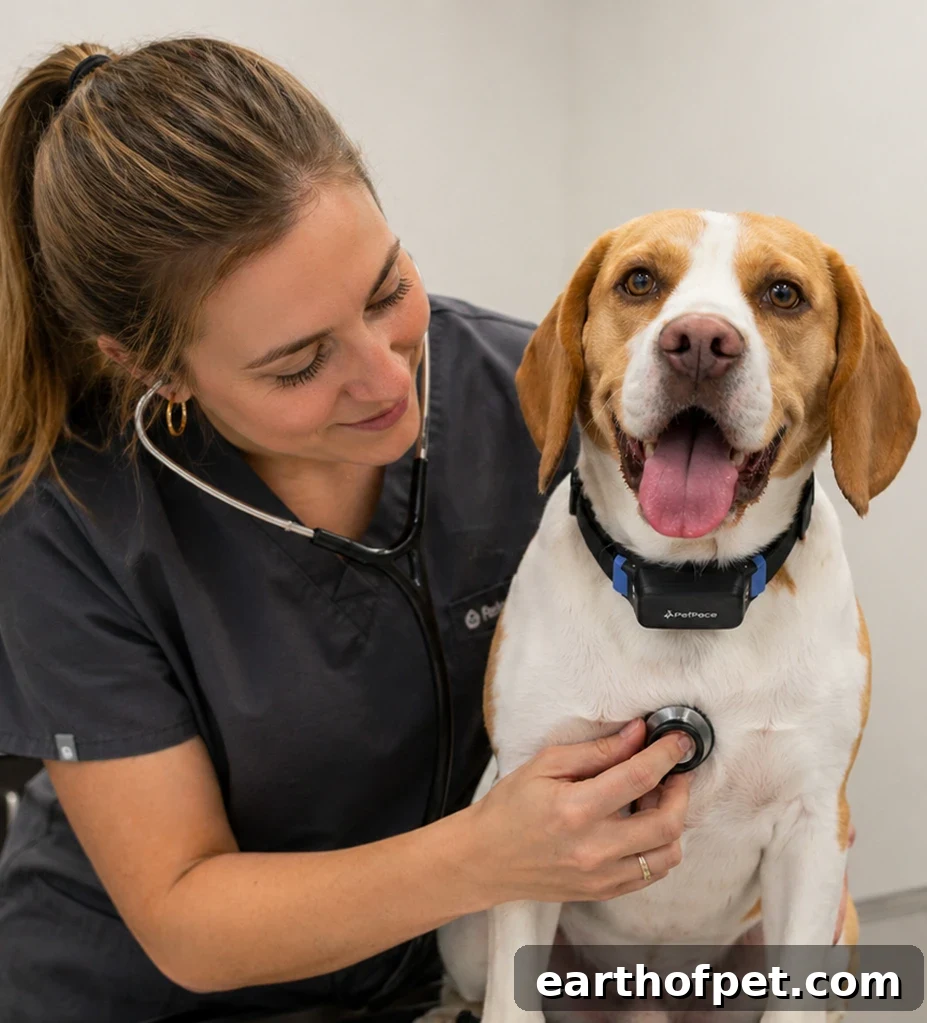
When winter play does lead to concern—frostbite signs, signs of hypothermia, swelling, persistent limping or any sudden change in behavior—call your veterinarian without delay. Early intervention can prevent complications and speed recovery.
Some dogs love snow and seem built for it, while others will only tolerate a few minutes outdoors. Tailor your plans to your dog’s breed, coat, age and health status, and always prioritize comfort and safety over extended play. With the right precautions—warm gear, paw protection, and close monitoring—you can help your dog enjoy winter safely while reducing the risk of cold-related injury or illness.