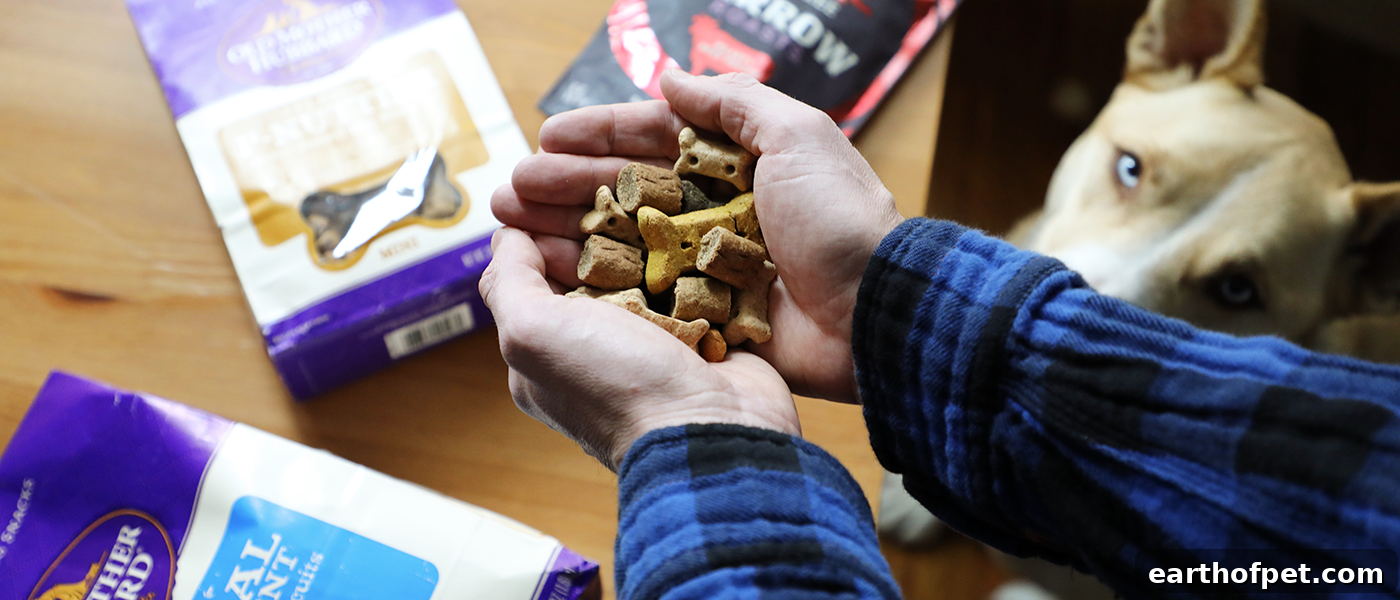
We are living in a protein-focused moment. Scroll social media, browse pet food aisles, or read headlines and you’ll quickly find the message: more protein is better. At the same time, carbohydrates are often dismissed as filler and fat is viewed with suspicion. That framing reduces pet nutrition to a contest between individual nutrients—but pets don’t eat isolated nutrients. They eat meals, and the healthiest meals are built on balance.
Instead of arguing whether protein is superior to fat or whether carbs belong in pet food, veterinary nutritionists ask something more important: does this diet provide the complete nutrition a pet needs to thrive? The answer matters. Nutrition influences energy, muscle maintenance, digestion, immune function, skin and coat condition, cognitive health, and aging. What goes into the bowl affects every part of your pet’s life.
Pet obesity is common. According to recent estimates, roughly 59% of dogs and 61% of cats in the United States are overweight or obese. At the same time, research continues to show that thoughtful nutrition supports long-term health and quality of life. Food is not just fuel—it’s one of the most effective daily investments in your pet’s future. And that future depends on the right balance of protein, fat, and carbohydrates.
Why Balance Matters More Than Nutrition Trends
Nutrition trends come and go: high-protein formulas, grain-free lines, raw feeding, limited-ingredient diets, and novel proteins all rise and fall. While each approach can be appropriate for some pets, trends can distract from a core principle: nutritional balance.
Think of a diet like a house. Protein forms much of the framework; fat powers systems that keep the house running; carbohydrates provide steady energy and contribute to overall stability. Remove a major component and the structure becomes weaker. A truly balanced dog or cat diet doesn’t chase a single nutrient. It provides the right combination of proteins, fats, carbohydrates, vitamins, minerals, and other nutrients working together.
Protein: The Foundation of a Healthy Diet
Protein gets a lot of attention for good reason. Proteins supply amino acids—the building blocks for muscles, skin, organs, hormones, enzymes, and immune cells. Without adequate protein, pets cannot maintain the structures and functions their bodies rely on day to day.
For dogs, sufficient high-quality protein supports lean muscle, activity levels, tissue repair, and overall vitality. Cat nutrition places even more emphasis on protein: as obligate carnivores, cats evolved to rely on animal-based proteins for essential amino acids. When evaluating diets, both the amount and the quality of protein matter. High-quality animal proteins deliver essential amino acids in forms that are highly digestible and usable by the body.
Fat: The Unsung Nutrient
Dietary fat is often unfairly vilified. While excess calories of any type can contribute to weight gain, healthy fats perform roles protein and carbohydrates cannot match. Fat is a concentrated energy source, supplying more than twice the calories per gram compared with protein or carbs. It also supports cellular health, nutrient absorption, skin and coat quality, and brain function.
Essential omega fatty acids—commonly found in fish oils—are particularly valuable for supporting skin, a glossy coat, cognitive health, and normal inflammatory responses. Including thoughtful sources of healthy fats helps ensure pets receive nutrients that support whole-body wellness.
Carbohydrates: More Than Just Energy
Carbohydrates often spark debate, but they are frequently misunderstood. Quality carbohydrate ingredients like sweet potatoes, oats, barley, brown rice, fruits, and vegetables provide more than calories: they deliver fiber, antioxidants, vitamins, and minerals that contribute to overall health.
Fiber is especially important for digestive wellbeing. Appropriate fiber levels support regular digestion, healthy stool quality, beneficial gut bacteria, and weight management. Rather than asking whether pets need carbohydrates at all, the better question is whether the carbohydrates in a diet provide meaningful nutritional value.
Complete and Balanced Nutrition
The most important, if least flashy, phrase in pet nutrition is “complete and balanced.” These words reflect decades of nutritional science. A complete and balanced food is formulated to supply all essential nutrients in the right proportions for a given life stage.
Veterinary nutritionists focus less on single ingredients and more on the overall nutritional profile. The healthiest diets combine protein, fats, carbohydrates, vitamins, minerals, antioxidants, and other nutrients so they work together to support every system in the body.
Nutrition for Different Life Stages
Pets’ nutritional needs change as they grow and age. Puppies and kittens require diets formulated to support rapid growth, bone development, muscle growth, immune maturation, and cognitive development. Adult maintenance diets emphasize balanced energy and nutrient delivery. Senior pets often need nutrition that helps preserve muscle mass, supports joint health, and sustains cognitive function.
Choosing food appropriate for your pet’s life stage is a key part of providing complete nutrition and supporting lifelong wellbeing.
A Balanced Approach in Practice
Thoughtful pet foods combine high-quality proteins, healthy fats, nutrient-rich carbohydrates, antioxidants, vitamins, minerals, and omega fatty acids to support whole-body health. For dogs, balanced everyday diets help maintain overall wellbeing, while targeted formulations can address specific needs. For cats, recipes crafted around feline requirements deliver the nutrients cats need to support muscles, energy, immune health, and vitality.
Rather than eliminating entire nutrient groups, great nutrition focuses on including them thoughtfully and in the right proportions. That approach makes it easier to meet both short-term energy needs and long-term health goals.
The Bottom Line
Protein, fat, and carbohydrates each deserve appropriate recognition. Protein builds and maintains the body; fat supports energy, cellular health, nutrient absorption, and brain and skin health; carbohydrates contribute energy, fiber, and important micronutrients. None are designed to work alone.
The goal in pet nutrition isn’t the most protein, the fewest carbs, or the lowest fat. The goal is a complete and balanced diet tailored to your pet’s life stage and individual needs. That balance is what helps pets grow well, age healthfully, maintain digestive and immune health, and thrive throughout their lives.