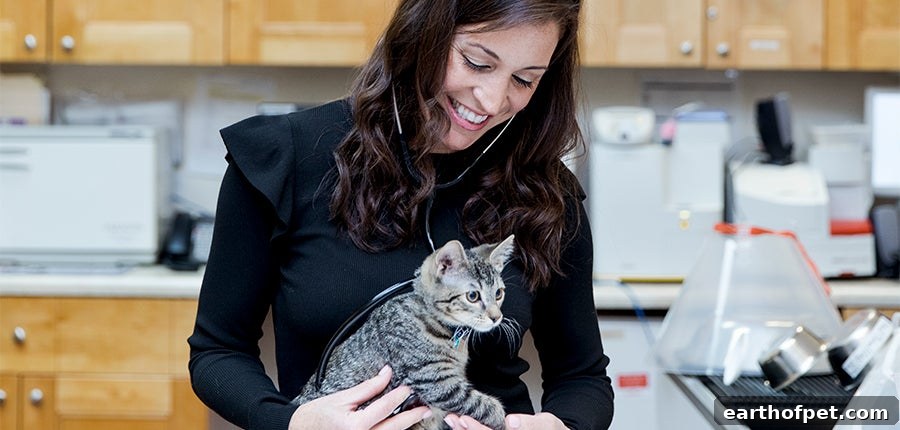
Why grain free dog food?
Why and How to Transition to Grain-Free Dog Food
Grain-free diets for pets have grown in popularity as more owners look for alternatives to traditional kibble. People choose grain-free food for many reasons: persistent itchy skin, chronic digestive upset, diagnosed sensitivities, or simply a desire to feed a diet that mirrors higher-protein eating patterns. Whatever the motivation, understanding the benefits, limitations, and the proper way to switch is essential for a successful transition.
If You’re Considering Going Grain-Free
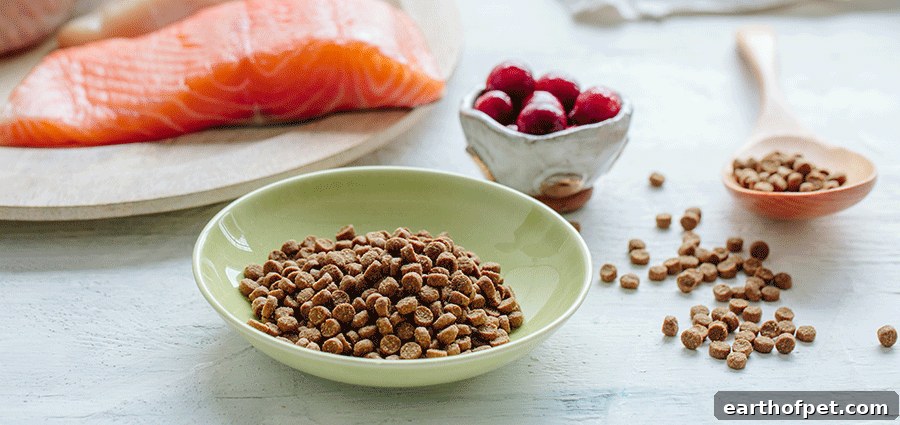
Grain-free recipes replace cereal grains with other carbohydrate and fiber sources, so the top ingredients are typically a named meat, poultry, or fish — for example, chicken, salmon, or beef. Because these diets often emphasize animal protein, they tend to be higher in protein than many traditional formulas. Many pets do very well on higher-protein diets, showing improved energy, muscle tone, and coat condition. However, some animals can experience digestive upset when their protein load or ingredient profile changes abruptly, which is why discussing diet changes with your veterinarian is always recommended.
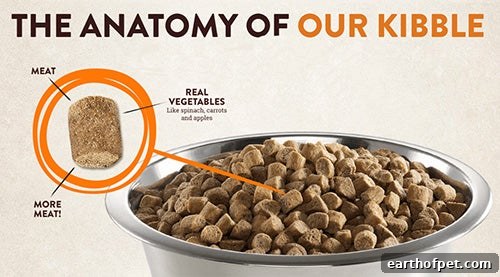
Not all grain-free foods are created equal. A high-quality grain-free recipe should be formulated to be complete and balanced, with an appropriate ratio of protein, fats, and carbohydrates for the pet’s life stage. Ingredients that support digestion and nutrient uptake — such as guaranteed probiotics and prebiotic fibers — are useful additions. Natural sources of essential fatty acids like flaxseed, along with fruits and vegetables such as sweet potatoes and blueberries, provide antioxidants and help round out the nutritional profile.
Some of the Benefits You May See After Going Grain-Free
- More stable energy levels and improved vitality
- Softer, shinier skin and a healthier coat
- Better maintenance or improvement of lean muscle mass
- Regular, well-formed stools that are easier to clean up
- Possible reduction of food allergy symptoms if the pet has a grain sensitivity
How to Transition
Choose a reputable brand that emphasizes whole, recognizable ingredients and includes fruits, vegetables, and digestive support like probiotics. Ingredients such as sweet potatoes and blueberries are commonly used in grain-free diets as nutritious carbohydrate sources and antioxidants. Check that the formula is labeled complete and balanced for your pet’s life stage.
Transition gradually to avoid gastrointestinal upset. A common approach is to mix increasing proportions of the new food with the old over 7–10 days: start with 25% new food and 75% old for the first two to three days, then move to 50/50 for the next two to three days, then 75% new and 25% old, and finally switch to 100% of the new food. Monitor your pet during this period for appetite, stool quality, energy level, and skin condition.
Expect some changes as the digestive tract adjusts. Many owners report firmer, denser stools after switching to a well-formulated grain-free food. Improvements in coat condition and skin irritation can take several weeks to appear. If you notice persistent vomiting, diarrhea, loss of appetite, or other concerning signs, stop the transition and consult your veterinarian promptly.
Choosing the Right Food and When to Seek Advice
When evaluating grain-free options, look for clear ingredient lists and guaranteed analysis of nutrients. Avoid foods with vague “meat meal” claims without specified sources, and favor recipes that list a named animal protein as the first ingredient. Consider formulas that include added probiotics, omega fatty acids, and whole-food sources of vitamins and minerals.
Always involve your veterinarian, especially if your pet has a history of food intolerance, chronic skin or digestive issues, or specific health conditions. A vet can help determine whether a grain-free diet is appropriate, suggest an elimination trial if food allergy is suspected, and advise on ideal calorie and nutrient targets based on your pet’s age, weight, and activity level.
Final Notes
Grain-free diets can be a nutritious choice for many dogs and cats, but success depends on selecting a balanced formula and transitioning carefully. Monitor your pet’s response and work with your veterinarian to ensure the diet supports long-term health. With the right approach, a grain-free diet can contribute to better digestion, improved skin and coat, and overall vitality.