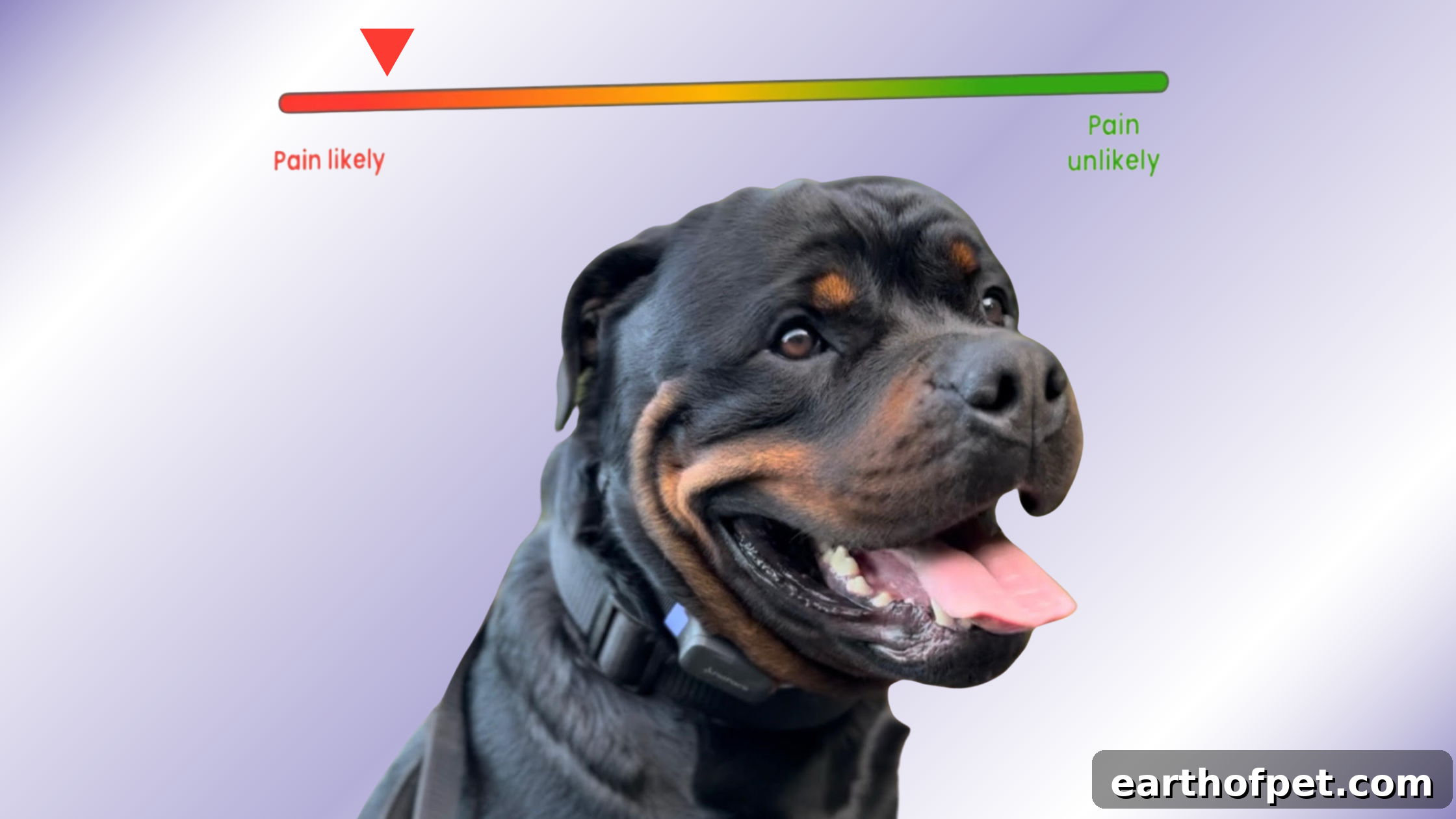
Pain in dogs is often subtle. There’s rarely a dramatic yelp or an obvious spot they can point to. Instead, discomfort usually appears as small changes in sleep, movement, mood, or breathing. Because many dogs hide vulnerability, these early signs can be easy to miss.
Owners commonly ask more than “Is my limping dog in pain?” They want to know:
- How do I tell if my older dog is in pain?
- What can I do if my dog is in pain?
- How do I comfort a crying dog?
- What can I safely give a dog for pain?
How Do I Tell If My Dog Is in Pain?
Dogs don’t always make pain obvious. Rather than loud vocalization, discomfort often shows through behavior changes: reduced play, less interaction, altered posture, irregular breathing, or changed sleep patterns. A normally active dog that becomes quieter or more withdrawn could be signaling pain. Because these signs are often gradual, it helps to watch for patterns over several days rather than reacting to a single change.
How Do I Tell If My Older Dog Is in Pain?
Aging can make pain harder to see. Slower movement is often written off as “old age,” yet senior dogs may be compensating for joint pain, dental issues, or other chronic conditions. Early signs in older dogs include:
- Stiffness when getting up
- Hesitation to jump or climb stairs
- Restlessness while trying to sleep
- Noticeable changes in posture
- Increased irritability or reduced tolerance for handling
Because dogs instinctively mask discomfort, these subtle shifts are important. If you track your dog’s normal behavior, gradual declines or repeated small changes are often the best indicators that veterinary evaluation is needed.
What Can I Do If My Dog Is in Pain?
The first and most important step is a veterinary visit. Pain can stem from arthritis, injury, dental disease, internal illness, or chronic conditions, and only a veterinarian can diagnose the cause and recommend safe treatment. Beyond professional care, owners can take supportive measures at home:
- Adjust exercise to limit high-impact activity
- Provide supportive, orthopedic bedding
- Use ramps or steps to reduce strain from jumping
- Monitor appetite, water intake, and weight
- Track behavioral changes over time to share with your vet
Early detection is critical: addressing discomfort before it becomes severe can simplify treatment, reduce suffering, and improve long-term outcomes.
How to Comfort a Crying Dog
If your dog is whining, pacing, or unable to settle, calm reassurance can help in the moment. Try these steps:
- Speak quietly and calmly
- Offer gentle touch if the dog tolerates handling
- Minimize noise and other environmental stressors
- Avoid forcing movement or activity that may increase pain
Comforting eases distress temporarily, but persistent crying often indicates underlying pain or illness. Soothing measures should be paired with observation and, if signs persist, veterinary assessment to identify and treat the root cause.
What Can You Give a Dog for Pain?
Never give human pain medications to a dog without a veterinarian’s approval—many over-the-counter drugs that are safe for people are dangerous for dogs. Veterinary options may include dog-specific NSAIDs, supplements to support joint health, prescribed anti-inflammatory medications, or pain-management therapies tailored to the diagnosis. The correct medication and dosage depend on the underlying condition, the dog’s size, age, and other health factors.
Why Owners Are Talking About Monitoring Collars
Visible symptoms of pain are often late signs. That’s why wearable monitoring collars are gaining attention: they can track resting heart rate, sleep quality, breathing patterns during rest, and long-term trends in activity and physiology. These measures don’t replace veterinary care, but they can help owners spot meaningful shifts away from a dog’s usual baseline sooner than outward signs alone.
Movement counts are useful, but a dog may maintain overall activity while quietly compensating for joint pain or an emerging illness. Trend awareness—knowing what’s normal for your dog and recognizing deviations—helps owners and veterinarians intervene earlier.
The Bigger Picture: Don’t Wait for the Limp
By the time a dog refuses to walk, cries out when touched, or clearly avoids movement, discomfort has often been building for days or weeks. Pain usually develops gradually in small signals, such as slight increases in restlessness, minor breathing changes, subtle posture shifts, or shorter play sessions.
Catching patterns early can mean simpler treatment, less suffering, better long-term outcomes, and lower medical costs—most importantly, more comfortable days together with your pet.
Final Thought
If you find yourself asking, “Is my dog just quiet, or is something wrong?” you’re not alone. Pain in dogs is often subtle, but awareness, observation, and prompt veterinary care make a meaningful difference. Paying attention to behavior trends, supporting comfort at home, and consulting your veterinarian early will help keep your dog healthier and more comfortable.
Is Your Dog Truly Resting, or Just Quiet?