Why Your Dog Is Afraid of the Vet and How to Help
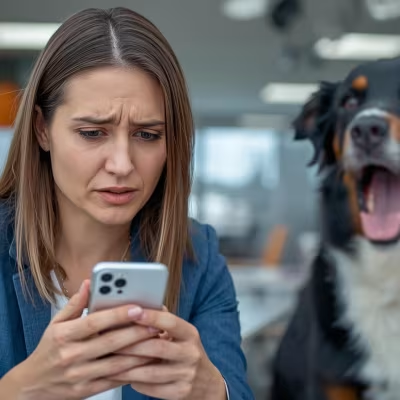
Hello, fellow pet parents! Dr. Edward Hale here, your trusted veterinarian with over 15 years of experience in helping our furry friends live their best lives. Today, I want to talk about a topic that I know weighs heavily on many of your hearts: your dog's fear of the vet. It's a scenario I see almost daily – a loving owner trying to coax their trembling dog into the clinic, or a once-brave pup becoming a quivering mess the moment they step through our doors. If you've ever wondered why my dog hates the vet so much, please know you are not alone. It's a common and understandable reaction for many dogs, and it’s something we can absolutely work on together.
As veterinarians, our primary goal is to provide the best possible care for your beloved companions, and that includes ensuring their emotional well-being during visits. A dog who is terrified of the vet is not only stressed but can also make it harder for us to perform thorough examinations and administer necessary treatments. My aim today is to arm you with practical, compassionate strategies for helping a scared dog at the vet, turning those stressful experiences into something much more manageable, and even positive.
Understanding the Roots of Vet Fear in Dogs
Before we can help our dogs, we need to understand the world from their perspective. Imagine being taken to an unfamiliar place, full of strange smells, sounds, and people who might poke and prod you, sometimes causing discomfort or pain. It's no wonder dogs can develop a strong aversion to veterinary clinics. Let's break down some of the most common reasons:
- Sensory Overload: A vet clinic is a whirlwind of sensory input for a dog. Think about it:
- Smells: Antiseptics, other animals (sick and healthy), fear pheromones from anxious pets – it's an overwhelming olfactory experience.
- Sounds: Barking, meowing, whirring medical equipment, unfamiliar human voices, the clatter of instruments.
- Sights: People in unusual uniforms (scrubs), strange medical devices, other animals in various states of distress.
- Past Negative Experiences: Dogs have excellent memories, especially when it comes to unpleasant events. A painful vaccination, an uncomfortable blood draw, a deep ear cleaning, or even just being held firmly for an examination can create a lasting negative association. If your dog only comes to the vet when they're already feeling unwell, they learn that vet visits equal pain or discomfort.
- Lack of Control and Restraint: Dogs thrive on predictability and a sense of control. During a vet visit, they are often restrained, held, or manipulated in ways they don't understand or appreciate. This loss of autonomy can be incredibly frightening.
- Unfamiliar People Handling Them: While we veterinarians and technicians strive to be gentle and kind, to your dog, we are strangers. Being handled by multiple unfamiliar people can be unsettling, especially if they aren't properly socialized or have a naturally wary temperament.
- Pain or Discomfort Amplified: If your dog is already sick or injured, the examination itself can exacerbate their discomfort, reinforcing the idea that the vet clinic is a place of pain.
- Learned Anxiety from Owners: Our dogs are incredibly attuned to our emotions. If you are stressed, anxious, or nervous about taking your dog to the vet, they will pick up on those subtle cues. Your anxiety can inadvertently signal to them that there's something to be worried about.
- Infrequent Visits: For many dogs, the only time they visit the vet is when something is wrong. This means every single experience at the clinic is tied to illness, injury, or uncomfortable procedures, making it nearly impossible to form positive associations.
Strategies for Reducing Vet Visit Stress in Dogs: How to Make Vet Visits Less Stressful for Dogs
The good news is that we can absolutely help our dogs feel more comfortable and confident at the vet. It takes patience, consistency, and a proactive approach. Here's a step-by-step guide to tackling dog anxiety at vet solutions:
1. Start Early: Puppy & Young Dog Socialization
- Happy Visits: Even before your puppy needs their full vaccination series, bring them to the clinic just for a "happy visit." This means walking in, getting treats and praise from the staff, maybe stepping on the scale, and then leaving – no pokes or prods. This helps them associate the clinic with positive experiences.
- Positive Handling at Home: Accustom your puppy to being handled all over. Gently touch their ears, paws, mouth, tail, and belly. Pair this with high-value treats and praise. Make it a fun game, not a chore. This desensitizes them to the types of touch they'll experience during an exam.
- Mock Examinations: Use a toothbrush as a "thermometer," gently press on their belly, or hold a toy stethoscope to their chest, continually rewarding calm behavior with treats. This can be crucial for creating fear free vet visits for puppies.
2. Desensitization and Counter-Conditioning for Adult Dogs
If your adult dog already has a strong aversion, we need to gradually change their emotional response through positive associations.
- Clinic Drive-Bys: Start by just driving past the clinic. Gradually, park in the lot, give treats, and leave.
- Lobby Visits: Once comfortable with the car park, step into the lobby for a few seconds, give high-value treats, and leave. Build up the time gradually, always ensuring a positive experience. Ask your vet if you can schedule these during quiet times.
- Exam Room Exploration: With your vet's permission, bring your dog into an exam room for a few minutes without an actual exam. Let them sniff around, explore, and receive treats. The goal is to make the environment feel less threatening.
- Introduce the Staff Positively: Ask if technicians or vets can simply offer your dog a treat and some gentle praise without any examination.
3. During the Visit: Practical Tips for a Smoother Experience
- Stay Calm & Confident: Your dog looks to you for cues. If you're stressed, they will be too. Practice deep breathing on the way to the clinic. Your calm demeanor is a powerful tool.
- Bring High-Value Treats and Toys: These are your best friends for distraction and reward. Think peanut butter, cheese, cooked chicken, or their absolute favorite toy. A lick mat covered in something delicious can be a fantastic distraction during exams or injections.
- Consider Calming Aids (Discuss with Your Vet First):
- Pheromone Sprays/Diffusers: Products like Adaptil can help create a calming environment. Spray a bandana or blanket your dog will wear/sit on.
- Calming Supplements: Some natural supplements can help reduce anxiety.
- Prescription Anti-Anxiety Medication: For dogs with severe fear, pre-visit prescription medication can be a game-changer. Administered at home, these can significantly reduce stress, allowing for a more successful and less traumatic visit. Discuss this option with your vet well in advance of the appointment.
- Positive Muzzle Training: If your dog has a history of nipping or biting out of fear, positive muzzle training is crucial. Introduce a basket muzzle at home with treats, making it a positive association, before it's needed at the vet. Never use a muzzle as punishment.
- Advocate for Your Dog: Don't hesitate to tell your vet if your dog is particularly stressed. Ask for breaks, request to perform parts of the exam on the floor instead of a table, or ask if you can hold your dog in a comforting way.
- Choose a Fear-Free Certified Vet: Many veterinary clinics and professionals are now certified in "Fear Free" techniques, which prioritize reducing fear, anxiety, and stress for pets. They use specific handling techniques, calming environments, and sometimes even sedatives to ensure a more positive experience.
- Schedule Strategically: If possible, schedule appointments during quieter times at the clinic (often mid-morning or mid-afternoon) to minimize exposure to other anxious animals and waiting room noise.
Common Mistakes to Avoid When Your Dog is Afraid of the Vet
Even with the best intentions, we can sometimes inadvertently worsen our dog's fear. Here are some pitfalls to avoid:
- "Reassuring" Anxiety: While it's natural to want to comfort your dog, phrases like "It's okay, it's okay" delivered in a high-pitched, anxious tone can actually confirm to your dog that there is something to be worried about. Instead, try a calm, confident voice or simply offer a treat silently.
- Punishing Fear: Never scold, yell at, or punish your dog for showing signs of fear (trembling, hiding, growling). Fear is an emotion, not a choice. Punishment will only increase their anxiety and erode your bond.
- Waiting Until It's an Emergency: Only bringing your dog to the vet when they are seriously ill or in pain reinforces the negative association. Regular wellness checks and "happy visits" are key to building positive connections.
- Dragging or Forcing Your Dog: If your dog resists entering the clinic or exam room, dragging them will only heighten their fear. Take a step back, offer treats, try to make it a positive choice, or ask the staff for help.
- Not Communicating with Your Vet: Your veterinary team wants to help! Inform them before your appointment if your dog has severe anxiety. This allows them to prepare a calming room, use specific techniques, or discuss pre-visit medications.
Pro Tips from Dr. Hale's Clinical Experience
After many years on the front lines, I've gathered a few insights that can make a big difference:
- "The Power of Peanut Butter": This isn't just a catchy phrase; it's a real tool! For dogs who love it, a small dollop of peanut butter (xylitol-free!) smeared on an exam room wall or on a silicone lick mat can keep them happily distracted for several minutes during an injection or quick exam. It's a game-changer for many.
- "Strategic Waiting": Call ahead when you arrive and ask if you can wait in your car until the exam room is ready. This minimizes exposure to other animals and the general hustle and bustle of the waiting room, which can be incredibly stressful for some dogs.
- "The Exam Room First Strategy": For highly anxious dogs, sometimes it's less stressful to have a technician or vet greet them directly in the exam room, rather than making them walk through the reception area and waiting room. Ask if this is an option for your dog.
- "Learn Their Language": Pay close attention to your dog's subtle body language cues. Lip licking, yawning, turning their head away, "whale eye" (showing the whites of their eyes), a tucked tail, or stiff posture are all signs of stress. Recognizing these early allows you to intervene before their anxiety escalates.
- "Bring a Scent of Home": A familiar blanket or towel that smells like home and you can be a comforting presence in an unfamiliar exam room. Drape it over the exam table or place it in their carrier.
- "Mobile Vet Consideration": For dogs with extreme, unmanageable fear of the clinic environment, a mobile veterinary service can be an invaluable option. Having the vet come to your home can significantly reduce stress for both you and your dog, allowing for more peaceful examinations and treatments.
When to See a Vet About Your Dog's Fear
While the tips above can significantly help, there are times when your dog's fear warrants a direct consultation with your veterinarian or a veterinary behaviorist:
- Escalating Fear: If your dog's anxiety is worsening despite your best efforts, or if their fear is so profound that it prevents essential medical care.
- Aggression Due to Fear: If your dog growls, snaps, or attempts to bite when being handled or during vet visits, this is a serious safety concern that needs professional intervention.
- Impact on Health: If their fear and stress are so high that it affects their overall health or prevents them from receiving necessary vaccinations, preventative care, or treatment for illness.
- Discussing Medication: If you believe your dog might benefit from pre-visit calming supplements or prescription anti-anxiety medication, your vet needs to assess your dog and discuss the appropriate options.
- Any Concern: If you are simply concerned about your dog's quality of life due to their fear, please reach out. We are here to help guide you through these challenges.
FAQ: Your Questions Answered
Here are a few common questions I get about dogs and vet anxiety:
Q: Can I just avoid taking my dog to the vet if they're too scared?
A: Unfortunately, no. Regular veterinary care – including vaccinations, parasite prevention, and routine check-ups – is crucial for your dog's long-term health and well-being. Avoiding the vet can lead to preventable illnesses going undetected or untreated, ultimately causing more pain and suffering for your pet. Our goal is to make visits manageable, not to avoid them entirely.
Q: My dog is already an adult and terrified. Is it too late to help them?
A: It's absolutely never too late! While it might take more time, patience, and consistent effort than with a puppy, adult dogs can certainly learn to cope better with vet visits. The principles of positive reinforcement and gradual desensitization still apply, and your vet can discuss additional tools like calming medications to assist in the process.
Q: Should I muzzle my dog if they're scared at the vet?
A: If your dog shows any signs of aggression (growling, snapping) out of fear, a muzzle can be an important safety tool for both your dog and the veterinary staff. However, it's vital to introduce the muzzle positively at home before the vet visit, associating it with treats and comfort, so it's not another source of stress during the appointment. Always discuss muzzle use with your veterinarian.
Q: What exactly is a "Fear-Free" vet clinic?
A: Fear Free Certified veterinary professionals and clinics commit to reducing fear, anxiety, and stress in pets. This involves specific training in gentle handling techniques, creating calming environments (e.g., separate waiting areas, pheromone diffusers), using distraction and high-value treats, and sometimes administering pre-visit calming medications. It’s an approach focused entirely on your pet’s emotional well-being during their visit.
Conclusion: A Path to More Peaceful Visits
Seeing your dog stressed or terrified at the vet is heartbreaking, but it's a challenge we can overcome together. Remember, your dog isn't trying to be difficult; they are simply reacting to a situation that feels threatening to them. By understanding their perspective, implementing positive reinforcement strategies, and openly communicating with your veterinary team, you can significantly reduce their anxiety and make vet visits a much more positive experience for everyone involved.
Vet visits are a cornerstone of responsible pet ownership, ensuring a long, healthy, and happy life for your furry family member. Be patient, be persistent, and most importantly, be your dog's calm and confident advocate. You have the power to transform their fear into understanding and even, dare I say, a positive association. Let's work towards those wagging tails at the clinic door!



0 Comments
No comments yet. Be the first to share your thoughts!
Leave a Comment