Hello everyone, Dr. Edward Hale here, your trusted veterinarian with 15 years of experience in pet care and animal behavior. Today, I want to talk about a very common, often endearing, and sometimes a little bit inconvenient behavior that many of us pet parents experience: the kitchen shadow. You know the drill – you stand up from the couch, perhaps just to grab a glass of water, and before your foot even fully leaves the floor, there they are. Your dog, your furry best friend, is already a step ahead, tail wagging, nose twitching, leading the charge straight to the kitchen. It’s a familiar dance, isn't it?
Many clients ask me, "Why does my dog always follow me to the kitchen every time?" Is it just for food? Are they lonely? Are they trying to tell me something? The short answer is, it's often a beautiful blend of instinct, learned behavior, and their deep affection for you. But there’s a lot more to unpack, and understanding the 'why' can help you foster an even stronger, safer relationship with your beloved canine companion.
Why Your Dog Has a Kitchen GPS Locked on You
The kitchen is often the heart of the home, a hub of activity, and let's be honest, a source of delicious smells. For our dogs, it’s a place of immense interest, driven by a combination of their innate nature and the patterns they learn from us. Let's delve into the multifaceted reasons behind this persistent following.
1. The Primal Pack Instinct: Companionship and Security
Dogs are descendants of wolves, highly social animals that thrive in a pack structure. In their world, being part of the pack means staying close to their leaders and fellow members for safety, hunting, and companionship. When your dog follows you from room to room, especially to a "high-value" area like the kitchen, they are simply exhibiting this deep-seated instinct to stay connected to their pack – you! They view you as their primary family, their source of safety and security. This intrinsic desire to be near you is a powerful motivator for understanding why your dog constantly follows you around the house.
2. The Allure of Food: The Kitchen as a Treat Haven
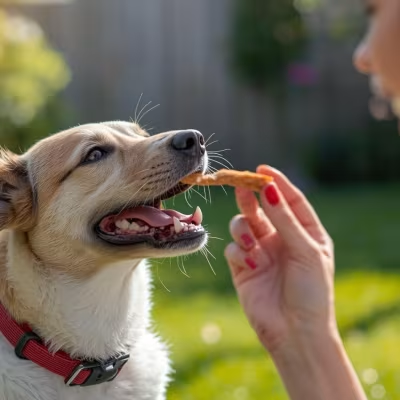
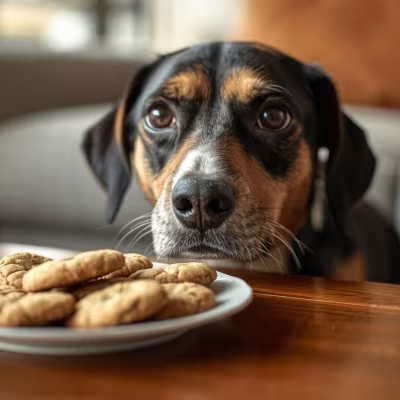
This is probably the most obvious reason, and often the correct one! Dogs have an incredible sense of smell, far superior to ours. They can detect the faintest whiff of a discarded crumb, a simmering pot, or that treat bag rustling from across the house. The kitchen is, without a doubt, the epicenter of all things edible. From their perspective, every trip to the kitchen holds the potential for a delicious reward. Maybe you'll drop a piece of cheese, perhaps you'll dish out their meal, or maybe you'll just open the fridge door, signaling a possible treat. This is why many owners specifically wonder, "Why does my dog always follow me to the kitchen for food?" They've learned to associate your movements towards the kitchen with the possibility of food, and honestly, who can blame them for wanting to be present for that?
3. Attention-Seeking Behavior: "Look at Me!"
Dogs crave interaction with their humans. For many dogs, following you is a subtle, or not-so-subtle, way of asking for attention. A quick pat, a reassuring word, a scratch behind the ears – these small interactions are incredibly valuable to them. When you move to the kitchen, it's an opportunity for them to get closer to you, possibly initiate play, or just bask in your presence. Sometimes, even if you don't directly interact, the mere act of you acknowledging their presence reinforces the following behavior. They learn that being near you, especially in a busy area like the kitchen, often leads to some form of interaction.
4. Routine and Predictability: The Comfort of Patterns
Dogs are creatures of habit. They thrive on routine and quickly learn to anticipate events based on your daily patterns. If you typically make coffee first thing in the morning, prepare dinner around the same time each evening, or grab a snack before bed, your dog will learn these routines. Your movement towards the kitchen becomes a predictable cue for something interesting to happen. They know the kitchen signals the start of meal prep, and they want to be there for the show! This predictability provides them with comfort and a sense of understanding of their world.
5. Curiosity: What Are You Up To Now?
Dogs are naturally curious beings. Every rustle, every new smell, every open cabinet door is a potential adventure or discovery. When you head to the kitchen, you're usually engaging in some activity – opening things, moving things, cooking things. Your dog is simply interested in what you're doing. They want to investigate, sniff around, and understand the goings-on. Their nose is their primary tool for gathering information, and the kitchen offers an olfactory wonderland.
6. The Deep Bond: A Sign of Love and Affection
Underneath all the other reasons, at its core, your dog following you often boils down to one simple truth: they love you. They enjoy being with you. They feel safe and happy in your presence. For many dogs, shadowing their owner is simply one of the clearest signs of affection when your dog follows your every move. It's their way of staying connected, expressing their devotion, and wanting to share every moment of their lives with you.
7. Mild Separation Anxiety or FOMO (Fear Of Missing Out)
While usually benign, in some cases, persistent shadowing can hint at mild anxiety about being separated from you, even if you're just going to another room. This isn't full-blown separation anxiety, which involves more severe distress when you leave the house, but rather a slight unease about being out of your sight. They might worry they'll miss out on something fun or that you might not come back. If you notice your dog becomes visibly stressed, pants, paces, or vocalizes excessively when you just step into another room, it might be an early indicator of "dog separation anxiety symptoms when I leave for another room."
Understanding and Responding to the Kitchen Shadow
So, now that we know why they do it, what can we do about it? Most of the time, it's a harmless and even charming behavior. But sometimes, it can be a trip hazard, or an indication that your dog needs a bit more independence. Here’s how to assess and respond.
Observe Your Dog's Body Language
- Relaxed and Happy: Tail wagging loosely, relaxed posture, soft eyes. This is likely just companionship and curiosity.
- Eager and Anticipatory: Focused gaze on your hands, slight panting, leaning in. This suggests food anticipation.
- Anxious: Pacing, excessive panting, lip licking, tucked tail, whining. This might indicate mild anxiety or stress about being alone.
Assess the Context
- Does your dog follow you only to the kitchen, or everywhere?
- Does the behavior change if they've just eaten or been exercised?
- Do you accidentally reinforce the behavior (e.g., dropping food, always giving a treat when they come into the kitchen)?
Managing the Behavior (If Needed)
If you find your dog constantly underfoot or worry about them getting into unsafe situations, there are strategies to help. This is about "how to manage your dog following you everywhere in the house" in a positive and gentle way.
- Establish a "Place" Command: Teach your dog to go to a designated bed or mat and stay there while you're in the kitchen. Reward them generously for staying. This provides them with a safe, comfortable spot away from the hustle and bustle.
- Provide Enrichment: A mentally and physically tired dog is often a calmer, more independent dog. Ensure your dog gets enough exercise, playtime, and mental stimulation through puzzle toys, chew toys, or training sessions.
- Break the Association: Go to the kitchen without always providing food or attention. Sometimes, just walk in and out, not acknowledging your dog. This helps break the automatic association that kitchen = reward.
- Reward Independent Behavior: When your dog is calmly resting in another room while you are in the kitchen, go out and reward them with praise or a small treat. This teaches them that being independent can also lead to good things.
- Increase "Alone" Time (Gradually): If you suspect mild anxiety, start with short periods of separation even when you're home. For example, close the door while you use the bathroom or step outside for a minute, then return calmly. Gradually increase these durations.
Common Mistakes Pet Owners Make
In my experience, well-intentioned owners can sometimes inadvertently reinforce unwanted aspects of this behavior or miss subtle cues. Here are a few common pitfalls:
- Constant Reinforcement: Always tossing a treat or offering attention simply because your dog is in the kitchen. While it feels good to share, this teaches them that being underfoot is rewarding.
- Punishing the Behavior: Scolding or physically moving your dog when they follow. This can create fear and anxiety, damaging your bond without addressing the underlying reason for their behavior.
- Ignoring Underlying Issues: Dismissing persistent, anxious following as "just being clingy." If there are signs of distress, it's important to investigate further.
- Lack of Enrichment: A bored dog will often seek out any form of engagement, and following you is an easy way to achieve that. If your dog isn't getting enough mental and physical stimulation, they're more likely to shadow you.
- Inconsistent Boundaries: Sometimes allowing them in the kitchen, sometimes pushing them out. Inconsistency confuses dogs and makes training much harder.
Pro Tips from Dr. Hale's Clinical Experience
From my 15 years in practice, I've seen countless dogs whose kitchen 'shadowing' is completely normal, rooted in their incredible social nature. However, there are practical strategies to ensure both your and your dog's safety and comfort.
- "Invisible Barriers" and "Place" Command: Don't underestimate the power of a "place" command. Teaching your dog to go to a specific mat or bed, even when you move rooms, can be a game-changer for managing kitchen traffic safely. I often recommend practicing this even when you're not in the kitchen, building up the duration your dog stays on their "place." Eventually, you can apply this when you need to be in the kitchen uninterrupted.
- Kitchen Safety First: Be mindful of kitchen hazards! Hot stoves, dropped food (especially toxic items like onions, garlic, chocolate, grapes), cleaning supplies, and sharp utensils – a shadowing dog can easily get into trouble. Always keep your counters clear, toxic items secured in high cabinets, and immediately clean up any spills. This is non-negotiable for their safety.
- Pre-emptive Distraction: If your dog is consistently getting underfoot, try tossing a safe, low-calorie treat or a durable puzzle toy to their designated "place" before you enter the kitchen. This redirects their focus and rewards independent activity, giving you a few precious moments of space.
- Sensory Considerations: Remember, their keen sense of smell means they know exactly when you're preparing something delicious. While not a primary solution, I've found that using an air diffuser with a calming scent (like lavender or chamomile, specifically formulated and tested as safe for pets) can sometimes help create a more relaxed atmosphere for some sensitive dogs, though it's not a substitute for training or addressing anxiety.
- Avoid Scraps: While it's tempting to share, feeding your dog table scraps directly from the kitchen significantly reinforces the idea that "kitchen = food for me." If you want to give them dog-safe vegetables or bits of meat, put it in their bowl as part of their meal, away from the kitchen prep area.
When to See a Vet: Beyond Normal Behavior
While most kitchen shadowing is harmless, there are instances where it could signal something more serious. Pay close attention to these warning signs, as they might indicate "when dog following me everywhere indicates a health issue" or behavioral problem requiring professional intervention.
- Sudden Onset of Clinginess: If your previously independent dog suddenly becomes extremely clingy, needy, or starts shadowing you relentlessly, it could be a sign of pain, discomfort, or an underlying illness. Dogs often hide illness, and increased clinginess can be a subtle indicator they don't feel well.
- Obsessive or Destructive Following: If your dog becomes distressed, paces, whines, or tries to scratch at doors when you go into a room they can't access (even if you're just on the other side), this points towards more severe separation-related anxiety. This isn't just curiosity; it's genuine distress. This falls under "obsessive dog shadowing behavior and anxiety treatment."
- Increased Vocalization or Destructive Behavior: If the shadowing is accompanied by excessive barking, whining, destructive chewing (especially around exits), or inappropriate urination/defecation specifically when you're out of sight, this indicates a more serious anxiety disorder.
- Changes in Other Behaviors: If the shadowing is part of a larger pattern of behavioral changes – such as lethargy, loss of appetite, increased aggression, or unusual fear – it's definitely time for a veterinary check-up.
- Geriatric Changes: Older dogs might become more clingy due to changes in vision, hearing, or cognitive function (Canine Cognitive Dysfunction). They might follow you more closely because they feel less protected on their own.
In any of these cases, please consult your veterinarian. We can help rule out medical issues and, if it's a behavioral problem, guide you towards appropriate training or behavioral modification strategies, which might include working with a certified professional dog trainer or veterinary behaviorist.
FAQ Section
Q: Is it bad that my dog follows me everywhere?
A: Not necessarily! For most dogs, following you around is a natural display of their social nature, affection, and curiosity. It often signifies a strong bond. It only becomes "bad" if it creates safety hazards (like tripping you), becomes a source of stress for you, or indicates an underlying issue like significant anxiety or a health problem.
Q: How can I stop my dog from getting under my feet in the kitchen?
A: The best approach is positive reinforcement and training. Teach your dog a "place" command so they can go to a designated bed or mat outside the kitchen. Reward them generously for staying there while you're busy. You can also try giving them a long-lasting chew or puzzle toy to keep them occupied and happy away from your feet. Avoid scolding or pushing them away, as this can create negative associations.
Q: Does my dog follow me because they love me?
A: Absolutely, in most cases! For many dogs, following you is a clear expression of their love, loyalty, and desire for companionship. They enjoy your presence and feel safe and happy when they are near you. It's one of the beautiful ways they show their bond with their favorite human.
Conclusion
The next time your dog acts as your faithful kitchen shadow, take a moment to appreciate the complex mix of instincts, learned behaviors, and pure affection that drives them. For the most part, it’s a heartwarming testament to the incredible bond you share. By understanding their motivations and implementing some gentle, positive strategies, you can ensure that this charming canine characteristic remains a joy, not a hindrance, for both of you.
Remember, prioritizing your pet's safety and well-being is always paramount. If you ever have concerns about your dog's behavior or health, don't hesitate to reach out to your veterinarian. We're here to help you and your furry family thrive.
Warmly,
Dr. Edward Hale

0 Comments
No comments yet. Be the first to share your thoughts!
Leave a Comment