Teaching Your Dog to Catch a Treat in Mid Air: A Veterinarian's Comprehensive Guide
Hello, fellow dog lovers! Dr. Edward Hale here, your trusted veterinarian with 15 years of experience helping pets and their people thrive together. There's a special kind of joy that lights up a dog owner's face when their furry friend deftly snatches a treat right out of the air. It’s more than just a clever trick; it’s a wonderful display of coordination, trust, and the incredible bond you share. In my practice, I’ve seen firsthand how teaching a trick like catching can profoundly enrich a dog's life, offering both mental stimulation and a healthy outlet for their energy.
Today, we're going to dive deep into how to teach a dog to catch food in mid-air. This comprehensive guide will walk you through everything from preparation to advanced techniques, ensuring a fun and safe learning experience for both you and your beloved canine companion. Remember, while this is a fantastic way to bond and exercise, safety always comes first. Let’s get started!
Why Teach Your Dog to Catch Treats? More Than Just a Trick!
You might think teaching your dog to catch is just for bragging rights at the dog park, but it offers a wealth of benefits that contribute to your dog's overall well-being. From a veterinarian’s perspective, the advantages are clear:
- Deepens the Bond: Every training session is an opportunity for positive interaction. Your dog learns to focus on you, trust your cues, and enjoys the shared activity, strengthening your relationship significantly.
- Enhances Coordination and Reflexes: Just like humans, dogs benefit from exercises that improve their physical agility. Catching requires quick thinking and precise movements, sharpening their reflexes and overall coordination.
- Boosts Confidence: For shy or anxious dogs, mastering a new skill like catching can be a huge confidence booster. Success, especially when celebrated enthusiastically, builds self-esteem and encourages them to try new things.
- Provides Mental Enrichment: Training isn't just about physical activity; it’s a workout for the brain too! Dogs thrive on mental challenges, and learning a new trick keeps their minds sharp and prevents boredom-related destructive behaviors.
- Foundation for Other Games: Once your dog masters catching treats, it can be a stepping stone to other fun activities like catching a ball, a frisbee, or playing fetch, opening up a whole new world of interactive play.
Ultimately, why teaching your dog to snatch treats is beneficial extends far beyond mere entertainment. It’s an investment in their physical health, mental well-being, and the quality of your shared life.
Getting Started: Essential Preparations for Success
Before you even toss the first treat, a little preparation goes a long way. Setting the stage for success will make the learning process smoother and more enjoyable for both of you.
Choosing the Right Treats
This is crucial! The type of treat you use can significantly impact your dog's success and safety.
- Small and Soft: Think pea-sized or smaller, and soft enough to chew quickly. Hard treats can be difficult to catch and potentially cause dental injury or choking. Small, soft treats are also less likely to bounce away.
- High-Value: Choose something your dog absolutely loves. This acts as a powerful motivator. If they’re not enthusiastic about the treat, they’ll be less engaged in the game. Examples include small pieces of cooked chicken, cheese, or specialized training treats.
- Easily Visible: While not a strict requirement, a treat that contrasts with your dog's fur or the environment can sometimes help them track it better, especially in the early stages.
- Non-Messy: Avoid crumbly or greasy treats that will leave a residue on your hands or the floor, making repeated tosses less pleasant.
Selecting ideal treats for dog catching practice is paramount for a safe and effective training experience.
The Right Environment
Think about where you'll be practicing.
- Quiet and Distraction-Free: Especially initially, choose a peaceful space where your dog can focus solely on you and the task at hand. A quiet room in your home or a fenced yard without other animals or people is ideal.
- Enough Room: Ensure there's adequate space for you to take a few steps back as your dog progresses, and for them to move comfortably.
- Soft Surface: If possible, practice on a carpeted area or grass. This provides better traction and a softer landing, reducing the risk of slips or joint strain, especially for enthusiastic jumpers.
Timing and Mood
The time of day and your dog's (and your own!) mood play a big role.
- Short, Frequent Sessions: Dogs have shorter attention spans than us. Aim for 5-10 minute sessions, a couple of times a day. End on a positive note, even if it's just one successful catch.
- Alert, Not Overly Tired or Hungry: Your dog should be energized and ready to learn, but not so hungry they're frantically trying to get the treat. A good time is usually before a meal or after a short walk.
- Positive Attitude: Your enthusiasm is contagious! If you're stressed or frustrated, your dog will pick up on it. Keep it fun, light, and encouraging.
Safety First
As a veterinarian, I cannot stress this enough. Always supervise your dog during training. Never force them. Be mindful of their age and physical condition – puppies and senior dogs, or those with underlying health issues (like joint problems), may need modifications or shouldn't engage in high-impact activities. If your dog seems uncomfortable or unwilling, stop and consult your vet.
Step-by-Step Guide: How to Teach Your Dog to Catch Food in Mid Air
This is where the real fun begins! We'll break down the process into manageable phases to ensure your dog builds confidence and skill progressively.
Phase 1: Building Foundational Trust and Focus
Before any treats fly, we need to establish some basics.
Step 1: The "Look" Command (Eye Contact)
- Hold a treat to your nose. The moment your dog looks at your eyes, say "Yes!" or use a clicker, and immediately give them the treat.
- Repeat this 5-10 times. This teaches them to focus on your face, which is where the treat will originate.
Step 2: Hand-to-Mouth Delivery
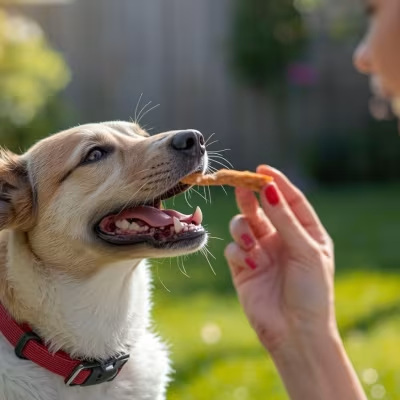
- Hold a treat in your open palm. Move your hand towards their nose, then directly into their mouth.
- As they take the treat, say "Good!" This reinforces the idea that the treat is coming from your hand and going directly into their mouth. The goal here is to establish a clear expectation.
Step 3: Gentle Lob – Short Distance (The "Almost Catch")
- With your dog sitting or standing directly in front of you, hold a treat in your fingers about an inch above their nose.
- Gently "lob" or drop the treat the tiny distance directly into their open mouth. It should be such a small movement they barely have to react.
- Say "Yes!" and praise them enthusiastically. The goal isn't a catch yet, but for them to anticipate the treat landing in their mouth.
- Repeat this many times, aiming for 90-100% success rate. The idea is to make it so easy they can't fail.
Step 4: Introduce a Cue Word
- Once your dog is consistently taking the gently lobbed treat from Step 3, introduce your cue word. Just before you lob the treat, say "Catch!" or "Get it!"
- Immediately follow with the gentle lob into their mouth.
- This creates an association: "Catch!" means a treat is coming to their mouth.
Phase 2: Introducing the Air Catch
Now that your dog understands the command and expects the treat to land in their mouth, we can start adding height.
Step 5: Slight Upward Toss
- Start with your dog in front of you. Give your "Catch!" cue.
- Instead of just dropping it, use a tiny upward flick of your wrist, tossing the treat just an inch or two above their nose. The goal is for them to reach up slightly to get it.
- If they catch it, immense praise and maybe even a jackpot of a few extra treats! If they miss, simply retrieve the treat and try again with an even gentler toss or go back to Step 3 for a few repetitions. Never scold for a miss.
Step 6: Increase Distance Gradually
- As your dog gets consistently good at the slight upward toss, slowly increase the height and distance. Go from an inch or two above the nose to 6 inches, then a foot, then maybe two feet.
- Always aim directly for their mouth. Consistency in your aim is vital for your dog's success and confidence.
- You can also take a step back, increasing the horizontal distance, once they are comfortable with vertical height.
Step 7: Practice Different Angles
- Once they're catching consistently from directly in front, you can begin to gently toss from slightly to the side, or slightly above, encouraging them to track the treat with their eyes and body.
- Again, aim for success and keep the tosses gentle and predictable.
Phase 3: Refining and Generalizing
Your dog is now catching treats in mid-air! Let's solidify this impressive skill.
Step 8: Consistency and Repetition
- Keep up with your short, fun training sessions daily. Repetition builds muscle memory and reinforces the command.
- Don't be afraid to go back to easier steps if your dog is struggling or having an off day.
Step 9: Practice in Different Environments (Controlled)
- Once proficient in a quiet space, gradually introduce very mild distractions. Try a different room in the house, then perhaps the backyard.
- Avoid high-distraction environments initially, as this can overwhelm your dog and hinder their progress.
Step 10: Make it a Game!
- Celebrate every catch with genuine excitement! Your dog feeds off your energy.
- Vary the treats to keep things interesting.
- Use your "Catch!" cue in various contexts, like before a walk or during playtime, to make it part of your daily routine.
This step-by-step guide for teaching your dog to snatch treats is designed for maximum success and minimum frustration.
Common Mistakes to Avoid When Training Your Dog to Catch Treats
Even with the best intentions, it's easy to fall into common pitfalls that can slow down progress or even deter your dog from learning.
- Throwing Too Hard or Too Fast: This is probably the most common mistake. A fast, hard throw can scare your dog, make the treat unpredictable, and cause them to flinch or turn away. Start with a gentle lob and gradually increase speed and height.
- Throwing Inaccurately: Repeatedly missing your dog's mouth leads to frustration for both of you. Focus on precise aiming, directly into their anticipated catching zone.
- Using Distracting or Unsuitable Treats: Treats that are too big, too crumbly, or too hard can be difficult to catch, track, and consume quickly, breaking the flow of the game.
- Over-training: Sessions that are too long will lead to boredom, fatigue, and a loss of enthusiasm. Always end on a high note, leaving your dog wanting more.
- Getting Frustrated: Dogs are highly attuned to our emotions. If you're getting annoyed, your dog will sense it and associate the training with negative feelings, which can cause them to shut down. Keep it light, positive, and patient.
- Not Using a Consistent Cue Word: Without a clear "Catch!" or "Get it!" command, your dog won't understand what you're asking them to do, making the learning process much slower.
- Inconsistent Training: Sporadic sessions with long gaps in between can cause your dog to forget what they've learned, requiring you to start over or make very slow progress.
Dr. Hale's Pro Tips from Veterinary Experience
Having witnessed countless training journeys, here are some insights and practical tips I often share with my clients:
- Observe Body Language Closely: Your dog's body language is their primary form of communication. Look for signs of stress (lip licking, yawning, tail tucked, ears back), fatigue (loss of interest, slow reactions), or discomfort (hesitation, whining). If you see any of these, stop the session immediately. Training should always be a positive experience.
- Treat Selection and Dental Health: While we talked about small and soft treats, remember that frequent treats can impact your dog's dental health and overall calorie intake. Consider using low-calorie options or even small pieces of their regular kibble if it's high-value for them. Always brush their teeth regularly!
- Joint Health Considerations: For older dogs, puppies, or breeds prone to joint issues (like hip or elbow dysplasia), modify the game. Keep tosses low to avoid jumping, and ensure they are on a soft, non-slip surface to prevent jarring or strain. Jumping repeatedly can put undue stress on joints.
- Positive Reinforcement is Paramount: Never, ever scold your dog for missing a treat. This is a game, and errors are part of learning. Always reward for effort and success. Keep your voice cheerful and your praise abundant.
- Building Confidence, Not Just Skills: For shy or anxious dogs, success in a game like this can be transformative. It teaches them that interacting with you can be fun and rewarding, building their overall confidence and trust. Celebrate their victories enthusiastically!
- Factor Treats into Daily Calorie Intake: Those training treats add up! If you're using high-value, caloric treats, adjust their main meal portions accordingly to prevent unwanted weight gain, which can lead to various health problems. Discuss ideal weight and diet with your veterinarian.
These veterinarian tips for dog treat training are designed to keep your dog happy, healthy, and safe throughout their training journey.
When to See a Vet
While teaching your dog to catch is generally a safe and enjoyable activity, any physical activity carries a small risk, and your dog's health should always be your top priority. Here’s when to consult a vet about dog training games:
- Persistent Gagging or Choking: If your dog repeatedly gags, coughs, or seems to be choking on a treat, stop immediately and assess the situation. If a foreign object is lodged, seek emergency veterinary care. This could indicate the treats are too large, or there's an underlying issue.
- Sudden Reluctance to Play or Train: A sudden disinterest in a previously enjoyed activity can be a subtle sign of pain, illness, or discomfort.
- Limping or Lameness: Any new limping, stiffness, or difficulty moving after a training session warrants immediate veterinary attention. This could indicate a sprain, strain, or a more serious injury.
- Difficulty Chewing or Eating: If your dog starts struggling to chew treats, drops food, or shows sensitivity around their mouth, it could be a sign of dental problems, gum inflammation, or even a foreign object lodged in their mouth.
- Changes in Appetite or Thirst: While not directly related to catching, any significant change in these basic behaviors can signal an underlying health issue that needs to be addressed.
- Excessive Drooling: Beyond normal excitement, excessive drooling might be a sign of nausea, dental pain, or even an ingested toxin.
Always err on the side of caution. If you have any concerns about your dog’s health or behavior, don't hesitate to contact your veterinarian. It’s always better to get things checked out early.
Frequently Asked Questions (FAQ)
Q1: My dog just bats the treat away with their nose. What should I do?
A: This is common! It usually means your dog is unsure of the motion or isn't quite ready for the air catch. Go back to basics: focus heavily on the "hand-to-mouth" delivery (Step 2) where you place the treat directly into their mouth. Then, practice the very gentle lob (Step 3) where the treat barely leaves your fingers, making it impossible to miss. Build that trust and anticipation that the treat will reliably land in their mouth before attempting any upward throws.
Q2: Is teaching a dog to catch safe for puppies?
A: Yes, with significant modifications. Puppies are still developing their bones and joints, so any jumping or high-impact movements should be strictly avoided. Focus on gentle, low tosses that don't require them to jump or strain. Use very small, soft puppy-appropriate treats. Keep sessions very short (2-3 minutes) to match their attention span and avoid over-exertion. The emphasis should be on gentle hand-eye coordination and bonding, not athletic prowess.
Q3: My dog won't even look at the treat when I toss it. Any advice?
A: This suggests a lack of focus or low motivation. First, ensure you're using a truly high-value treat that your dog absolutely loves. If they’re not interested in the treat, they won’t be interested in the game. Second, go back to Step 1 (the "Look" command) to strengthen their eye contact and focus on your face. Then, practice placing the treat directly into their mouth repeatedly before introducing any tossing. You need to build the association that good things come from your hand and your direction.
Q4: How long does it usually take to teach a dog to catch?
A: There's no single answer, as every dog learns at their own pace! Some dogs, particularly those already motivated by food and with good natural coordination, might pick it up in just a few short sessions over a week or two. Others, especially those who are shyer, less food-motivated, or less coordinated, might take several weeks or even a few months of consistent, patient training. The key is consistency, positive reinforcement, and celebrating every small step of progress, no matter how long it takes.
Conclusion
Teaching your dog to catch a treat in mid-air is a truly rewarding experience that goes far beyond a simple trick. It’s an engaging way to deepen your bond, provide vital mental and physical enrichment, and build your dog’s confidence. Remember to prioritize safety, use positive reinforcement, and celebrate every milestone along the way.
From my years of experience, I can tell you that the joy you’ll both share in this process is immeasurable. Enjoy the journey of learning and growing with your incredible canine companion. And as always, if any health concerns arise, please don't hesitate to reach out to your veterinarian. Happy training!


0 Comments
No comments yet. Be the first to share your thoughts!
Leave a Comment