Signs Your Cat Is Sick: Warning Symptoms Every Owner Should Know
Cats are mysterious creatures, and nowhere is this more apparent than when they're ill. While dogs loudly communicate distress, cats are subtle. They hide. They pretend everything is fine. This instinct served them well in the wild — a visibly sick animal is vulnerable to predators. But in your home, it means illness can progress significantly before you even realize something's wrong.
The key to catching serious problems early is knowing what to watch for. Here are twelve warning signs that your cat needs veterinary attention.
1. Changes in Litter Box Habits
This is often the first sign something's amiss. Changes in frequency, amount, consistency, or location of urination or defecation warrant investigation.
Increased urination and drinking can indicate diabetes, hyperthyroidism, or kidney disease — all common in cats.
Decreased urination might signal kidney disease or urinary obstruction (a potential emergency in male cats).
Constipation is common in older cats but can also indicate dehydration, megacolon, or other conditions.
Diarrhea lasting more than a day warrants a vet visit.
Straining in the litter box is always concerning and may indicate urinary obstruction or severe constipation.
Using the litter box outside normal spots suggests either a behavioral issue or a medical problem causing urgency.
2. Behavioral Changes
Cats have personalities and routines. When those change, pay attention.
A normally outgoing cat becoming withdrawn and hiding is a classic sign of illness. Cats often retreat to quiet, dark places when they feel unwell.
Conversely, increased aggression, hyperactivity, or anxiety can also indicate illness. An overactive, anxious cat might be hyperthyroid.
Any significant change in personality — whether more affectionate, less affectionate, more active, or less active — deserves investigation.
3. Appetite Changes
Cats can be picky eaters, so not eating their regular food isn't always a red flag. But significant appetite changes are.
Decreased appetite lasting more than 24 hours suggests illness. Cats aren't like humans — they don't "fast for health." If your cat hasn't eaten much in a day or two, something's probably wrong.
Increased appetite combined with weight loss is classic for hyperthyroidism and diabetes.
Refusing favorite treats or foods they normally eat is especially concerning.
4. Vomiting
The occasional hairball or food vomiting can happen, but frequent vomiting (more than once a week) isn't normal.
Vomiting can indicate: Hairballs (usually not serious but should be minimized), Dietary sensitivities, Gastrointestinal issues, Pancreatitis, Kidney disease, Hyperthyroidism, and Toxin ingestion.
Don't dismiss it as "just a hairball." Multiple episodes warrant a vet visit.
5. Respiratory Changes
Changes in breathing — whether rapid, labored, or wheezy — warrant urgent attention. Cats don't usually make obvious breathing sounds, so any new respiratory noise is concerning.
Asthma, heart disease, and other serious conditions can present as respiratory changes. Don't wait on this one.
6. Bad Breath
As discussed in our dental care guide, bad breath is never normal. It indicates dental disease, oral infections, or sometimes more serious systemic conditions. Bad breath + decreased appetite can indicate severe mouth pain from dental disease.
7. Lethargy and Lack of Interest in Play
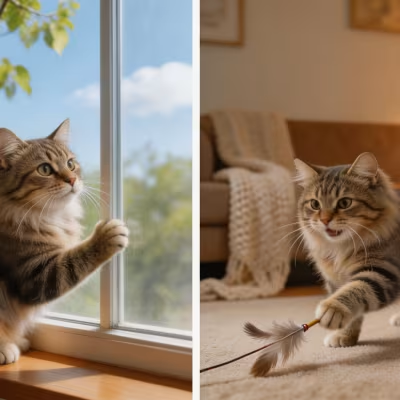
Cats sleep a lot, but they also have play time. A normally playful cat becoming lethargic or showing no interest in interaction is concerning.
Lethargy combined with other symptoms (appetite loss, increased thirst, weight loss) suggests illness.
8. Weight Loss
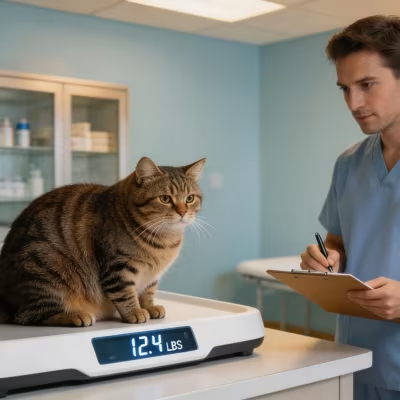
Unexplained weight loss is almost always a sign of illness. Common causes include: Diabetes, Hyperthyroidism, Kidney disease, Cancer, Dental disease (causing decreased eating), and Gastrointestinal problems.
If you notice your cat looking thinner or if their collar/use is looser, a vet visit is warranted.
9. Abnormal Grooming
Cats groom themselves constantly, so changes in grooming behavior are significant.
Excessive grooming in one area (creating a bald patch) suggests pain or skin irritation.
Neglected grooming or matted coat suggests lethargy or illness preventing normal self-care.
Excessive grooming overall can indicate anxiety or skin problems.
10. Hair Loss Beyond Normal Shedding
Seasonal shedding is normal. Clumps of hair loss, bald patches, or scaly skin indicates a problem.
Possible causes include: Allergies, Parasites (fleas, mites), Fungal infections, Stress, and Pain (from overgrooming a painful area).
11. Swelling or Lumps
Any new lumps, bumps, or swelling should be evaluated. While not all lumps are cancer, some are, and early detection matters enormously.
Swelling of the face, jaw, or mouth often indicates dental disease or infection.
12. Changes in Pupil Size or Eye Appearance
Cats' pupils should respond to light by dilating and constricting. Fixed, dilated pupils can indicate high blood pressure, toxin exposure, or neurological problems.
Cloudy eyes, discharge, or visible third eyelid (the whitish membrane at the inner corner of the eye) warrant a vet visit.
Squinting or keeping one eye shut suggests pain, often from corneal ulcers or eye infection.
The Don't-Wait Situations
Some signs warrant immediate (emergency) vet care rather than waiting for an appointment: Inability to urinate (especially males), Severe difficulty breathing, Collapse or loss of consciousness, Uncontrolled bleeding, Severe trauma, Inability to stand or paralysis, Sudden blindness, Severe vomiting or inability to keep food down, and Extreme distress or apparent severe pain.
When in Doubt, Call Your Vet
The worst outcome is a "wait and see" approach that results in a treatable condition becoming serious. Vets understand that cat owners sometimes bring in cats who turn out to be fine. That's okay. It's better to err on the side of caution with a species that hides illness as well as cats do.
At minimum, any behavior change lasting more than 24-48 hours warrants a phone call to your vet. They can help you determine if an in-person visit is necessary.
Building a Health Baseline
One of the best things you can do is establish what "normal" looks like for your cat. Know:
- How much they typically eat
- Their usual energy level and play habits
- Their normal grooming habits
- How frequently they use the litter box
- Their typical weight and body condition
This baseline makes it easier to recognize when something changes.
FAQ
How long should I wait before calling the vet? If something feels wrong, call within 24 hours. For emergency signs (inability to urinate, severe difficulty breathing, apparent severe pain), go immediately.
My cat hasn't eaten much today. Should I worry? One skipped meal isn't immediately concerning. But if your cat hasn't eaten in 24 hours, call your vet. Cats can develop hepatic lipidosis (fatty liver) if they don't eat for several days.
Is increased thirst always a sign of illness? Increased thirst (polydipsia) warrants investigation. Causes include diabetes, kidney disease, hyperthyroidism, and others. Have your vet evaluate.
What if my cat is hiding more than usual? Hiding isn't abnormal for cats in general, but changes in hiding behavior warrant attention. If your normally social cat is hiding constantly, something might be wrong.
Should I go to an emergency vet or wait for my regular vet? For the conditions listed under "Don't-Wait Situations," go to emergency care. For other concerns, call your regular vet first and they can advise.
How often should I check my cat for lumps or other changes? During regular petting and play, you naturally notice physical changes. Some cat owners do monthly "health checks" of their cats, which is a good practice.


0 Comments
No comments yet. Be the first to share your thoughts!
Leave a Comment