Cats may appear set in their routines, but nutritionally they benefit from variety—especially when it comes to protein. If you’ve wondered whether offering the same recipe every day is the healthiest choice, rotational feeding is an evidence-based approach many pet owners are adopting to support digestion, overall health, and long-term vitality.
This guide explains why protein variety matters, how rotational feeding helps provide a complete array of amino acids, and how cycling proteins such as chicken, turkey, and salmon across Wellness wet cat food options can make feeding simpler and more nutritious.
Why Protein Is Essential in a Cat’s Diet
Cats are obligate carnivores: their physiology is built to rely on animal protein as a primary energy and nutrient source. Protein is foundational for nearly every system in a cat’s body, including:
- Building and maintaining lean muscle
- Supporting immune function
- Promoting healthy skin and a glossy coat
- Enabling enzyme and hormone production
- Maintaining healthy metabolism and energy levels
For kittens, adults, and seniors alike, choosing high quality, digestible animal proteins in cat food matters more than plant-heavy alternatives. Recipes that list real meat as the first ingredient are typically better aligned with feline nutritional needs.
What Is Rotational Feeding for Cats?
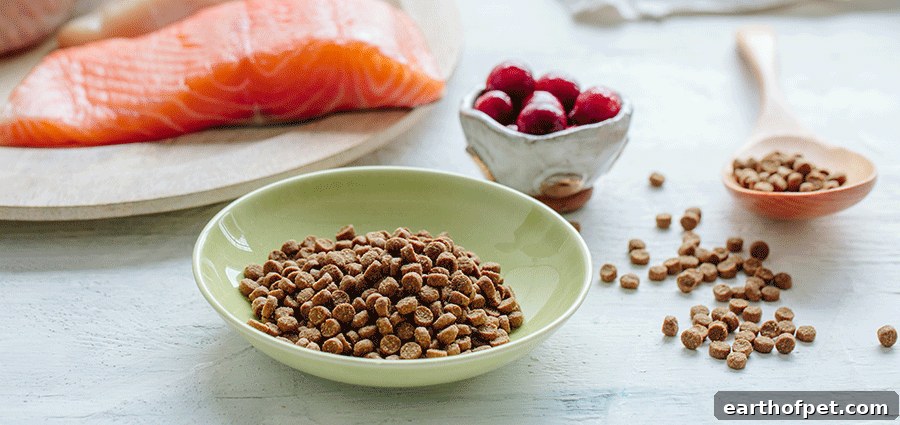
Rotational feeding means intentionally alternating protein sources and recipes over time instead of feeding the same formula indefinitely. Rather than offering a single chicken-based recipe day after day, you cycle through options like:
- Chicken
- Turkey
- Salmon
This strategy broadens the nutrient profile your cat receives and supports digestive resilience. When feeding high protein cat food, rotation helps ensure essential amino acids are balanced across different meals rather than dependent on one source alone.
Why Protein Variety Matters for Feline Health
Different animal proteins provide distinct patterns of essential amino acids. Combining or rotating proteins helps cover a wider spectrum of those nutrients and can better match a cat’s biological needs. Typical benefits include:
- Lean, highly digestible protein from chicken
- Distinct amino acid balance and palatability from turkey
- Omega-3 fatty acids from salmon that support skin, coat, joint, and cognitive health
By offering varied proteins, you reduce the risk of nutritional gaps and help your cat enjoy the multiple health advantages provided by high protein cat food.
Why Wet Food Is Ideal for Rotational Feeding
Hydration is a major nutritional concern for cats, and wet food naturally supports water intake while delivering protein in a highly palatable form. Key advantages of wet, high protein cat food are:
- Higher moisture content that supports urinary and kidney health
- Lower carbohydrate levels compared to many dry foods
- Strong aroma and texture that appeal to picky eaters
- Easier digestion for kittens and senior cats
Rotating wet recipes gives cats variety without sacrificing hydration or nutrient density.
Wellness Wet Cat Food: Built for Protein Rotation
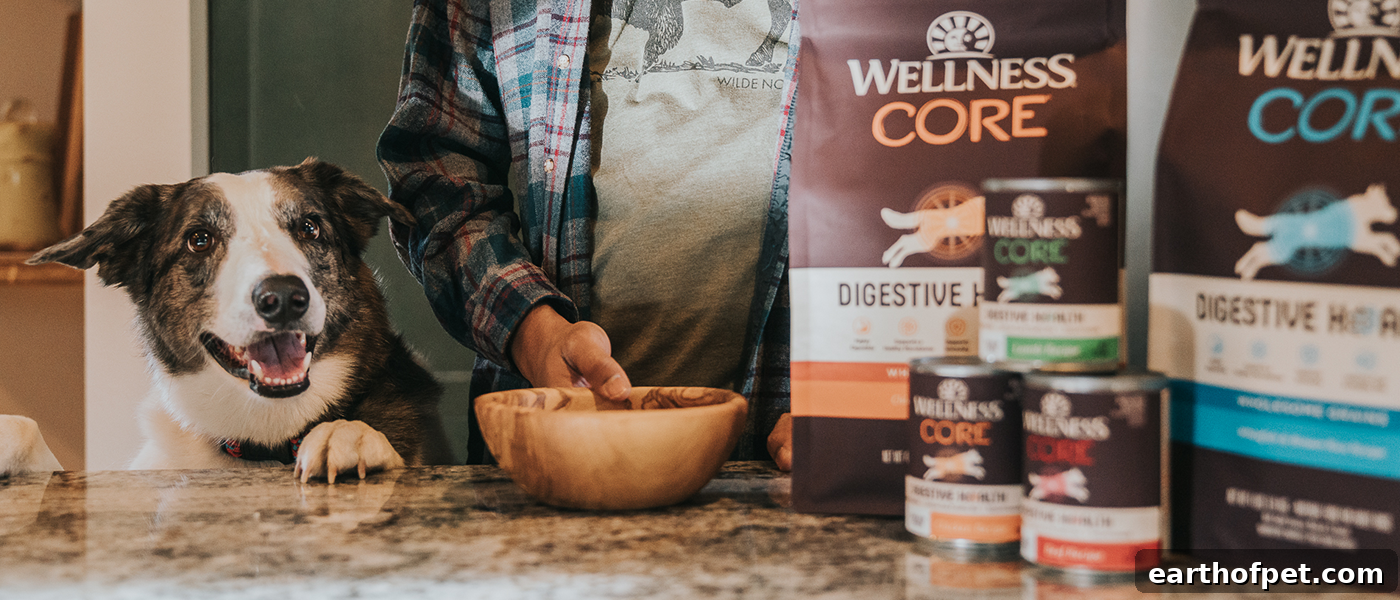
Wellness provides several wet food lines that complement each other, making rotational feeding straightforward and nutritionally complete.
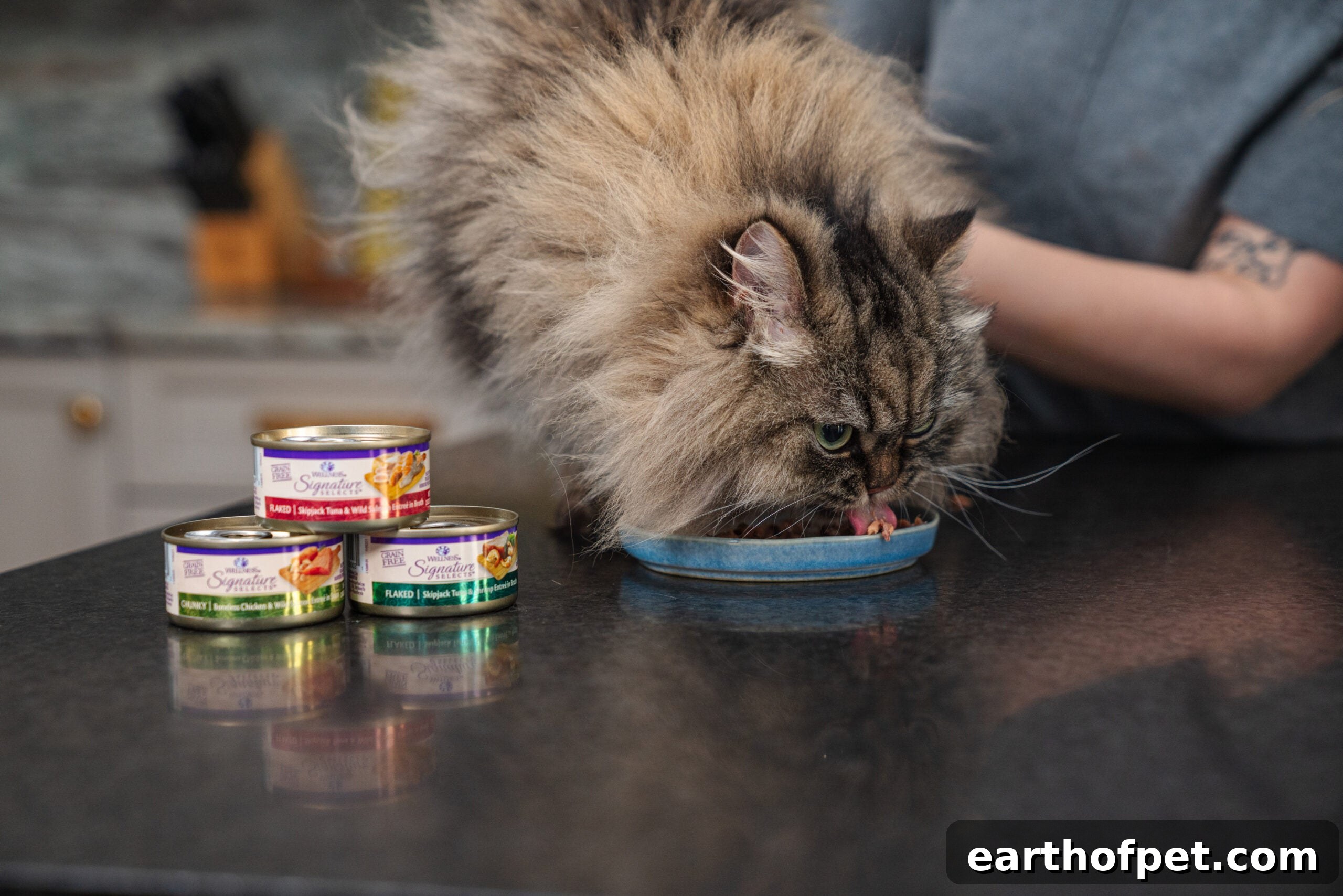
Wellness Signature Selects
Crafted with premium animal proteins and a short list of recognizable ingredients, Wellness Signature Selects are a good choice for owners seeking clean, protein-focused nutrition.
Wellness Appetizing Entrees
Texture variety keeps cats interested. Wellness Appetizing Entrees include flaked, minced, and pâté formats so cats can experience different mouthfeels while receiving consistent, protein-rich nutrition.
Wellness Complete Health Wet Cat Food
Complete Health formulas provide balanced daily nutrition to support overall wellbeing. This line can serve as a reliable foundation within a rotational feeding plan, especially when transitioning life stages or managing general health.
Rotational Feeding for Kittens: Building a Strong Foundation
Kittens grow rapidly and are developing food preferences, so high-protein wet kitten food is particularly important. Early rotation can:
- Support muscle and brain development
- Encourage acceptance of diverse flavors
- Reduce the likelihood of pickiness later in life
Offering a variety of protein sources during growth helps ensure kittens receive a broader range of nutrients while staying hydrated.
Adult Cats: Sustaining Energy and Muscle
For adult cats, rotating protein sources helps maintain lean muscle mass while preventing mealtime boredom. Even cats primarily fed dry kibble can benefit from rotating wet recipes to boost moisture intake and protein diversity, which supports healthy weight and muscle condition.
Senior Cats: Protein Remains Important
Protein quality becomes increasingly important with age. Senior cats can lose muscle mass more quickly, so feeding high-quality, digestible protein helps preserve lean tissue and supports immune health. Softer textures like pâtés or minced recipes are often easier for older cats to eat while delivering concentrated nutrients.
Special Diet Considerations and Protein Rotation
Rotational feeding can complement specialized dietary needs when implemented thoughtfully. Examples include:
- Diabetes management: wet, protein-forward diets may support lean mass and more stable post-meal blood glucose responses
- Weight gain: higher-calorie, protein-rich formulas can help underweight cats when paired with appropriate fat levels
- Lower carbohydrate approaches: reducing dietary carbs while emphasizing protein can assist in managing blood sugar balance
If your cat has a diagnosed medical condition, always discuss any significant dietary changes or rotation plans with your veterinarian.
How to Start Rotational Feeding Safely
Introduce new proteins gradually to avoid digestive upset:
- Start with a familiar protein
- Introduce a new protein slowly over three to five days
- Monitor stool quality, appetite, and overall behavior
- Rotate every few weeks or monthly based on tolerance and preference
Most cats adapt well when changes are predictable and introduced slowly.
Signs Rotational Feeding Is Working
Positive indicators that rotation is benefiting your cat include:
- Increased enthusiasm at mealtime
- Smoother, shinier coat
- Consistent digestion and healthy stools
- Less picky behavior
- Maintained or improved body condition
These signs suggest your cat is receiving balanced nutrition from a variety of high-quality protein sources.
Is High Protein Food Good for Cats?
When protein comes from high-quality animal sources and diets are formulated to meet feline nutritional requirements, high protein food is appropriate for most cats. Rotational feeding helps keep protein-rich diets balanced and sustainable over the long term.
Long-Term Benefits of Protein Rotation
Feeding the same protein indefinitely can sometimes increase the chance of food sensitivities. Rotating proteins supports immune flexibility and ensures a wider range of nutrients and amino acids over time, contributing to sustained health.
Final Takeaway: Variety Strengthens Nutrition
Rotational feeding is not a fad—it’s a practical approach to nutritional completeness. By cycling proteins such as chicken, turkey, and salmon across complementary wet cat food lines, you help ensure:
- Complete amino acid coverage
- Better digestive health
- Improved hydration
- Long-term vitality
Whether feeding kittens, adults, or seniors, introducing protein variety can make mealtimes more appealing and nutritionally robust—so your cat enjoys a bowl that’s both healthy and never boring.