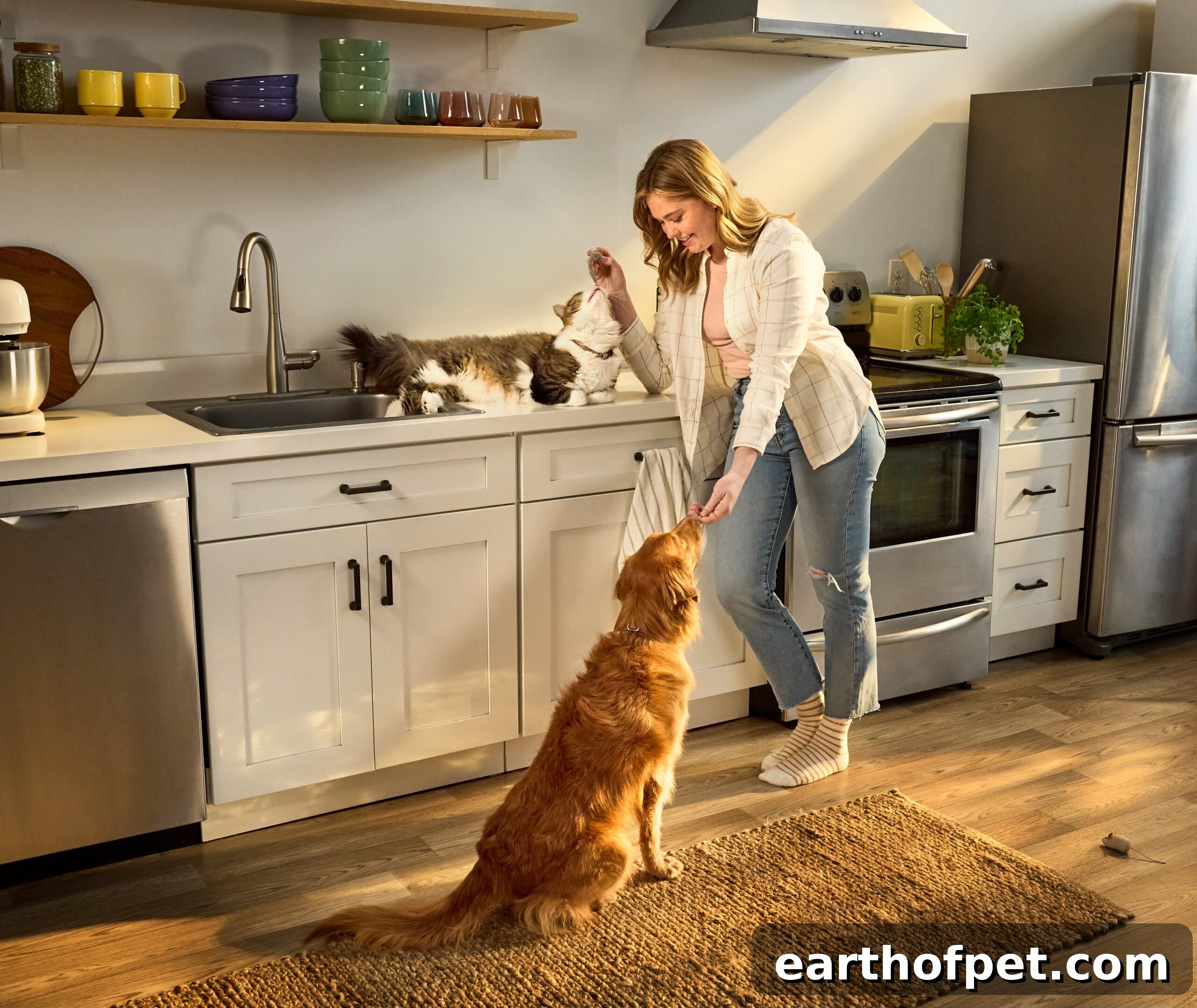
What’s that fresh scent in the air? Spring cleaning is here — closets get cleared, windows get washed, and pantries get reorganized. One often-overlooked area is your pet’s food and treat storage. If you’re refreshing your home this season, now is the perfect time to rethink how you store dog food, organize pet food storage containers, and keep every scoop as fresh as the day you opened the bag. Freshness affects more than taste; it plays a direct role in your pet’s health, safety, and enjoyment. Below is a clear, practical guide to storing pet food the right way so your spring cleaning benefits every member of the household.
Why Proper Dog Food Storage Matters
Commercial pet foods are formulated to deliver balanced nutrition, but that quality begins to change once a bag or can is opened. Exposure to air, moisture, heat, and light can reduce nutritional value, alter taste and smell, promote spoilage, and attract pests. Using the right dog food storage container — preferably airtight and food-safe — helps protect the food’s integrity from the first bowl to the last.
The Best Way to Store Dry Food
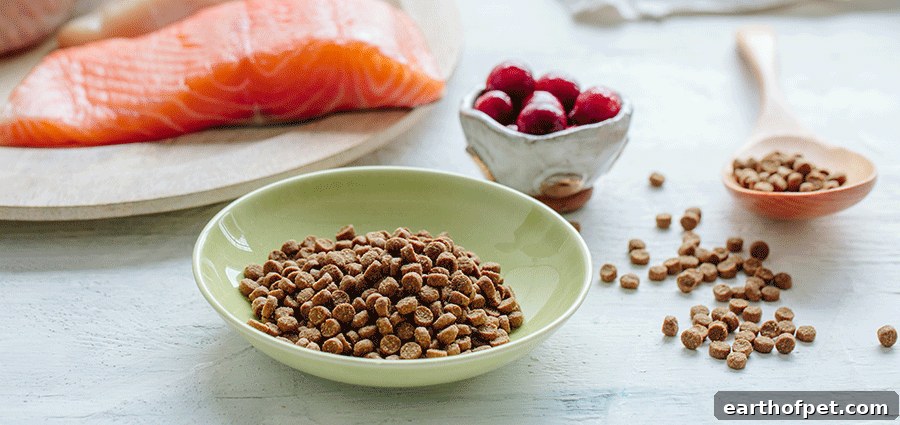
Dry kibble is convenient but needs careful handling to stay fresh. Start with a high-quality airtight dog food container made from food-safe materials and built to last. Look for tight-sealing lids, durable construction, and materials labeled BPA-free if you prefer plastic. Metal containers offer durability and a clean look for many homes.
Start with the Right Container
If you move through large bags quickly, choose a container with wheels to make storage and movement easier. For smaller spaces, compact bins or stackable systems keep things organized without dominating your pantry. The main goal: limit air and moisture exposure while keeping food accessible for daily use.
Should You Keep Food in the Original Bag?
A common storage question is whether to keep the original bag or pour kibble directly into a bin. Many experts recommend placing the unopened bag inside an airtight container rather than emptying it. Original packaging is designed to preserve freshness and includes important details such as expiration dates, batch codes, and feeding guidelines. Keeping the bag inside a sealed container gives you the protection of the bin while preserving the information and structure of the original packaging.
Choosing the Right Pet Food Storage Container
Not all containers are alike. When selecting one, consider how you use it every day.
For Everyday Use
A simple airtight pet food container works well for most households, protecting kibble from humidity and pests.
For Style and Function
If appearance matters, decorative containers exist that combine aesthetics with airtight seals to blend seamlessly into your kitchen.
For Multi-Pet Homes
Homes with both cats and dogs benefit from separate storage systems to avoid mix-ups and maintain proper nutrition for each animal. Consider separate airtight containers for cat and dog food to keep items distinct and fresh.
Storing Wet Food the Right Way
Wet food requires more careful handling: once opened, canned or pouch wet food should be tightly covered and refrigerated, then used within a few days according to the product’s guidance. Proper storage prevents spoilage and keeps meals safe. Always follow the manufacturer’s storage recommendations for opened wet food.
Don’t Forget Treat Storage
Treats deserve the same consideration as meals. A dedicated dog treat container keeps snacks fresh and reduces exposure to air. Look for containers with tight lids, easy access, and options that support portion control. A small, accessible treat jar on the counter makes training and rewarding easier while preserving flavor and texture.
Spring Cleaning Checklist for Pet Food Storage
When you refresh your home, use this practical checklist to update pet food storage:
1. Check Expiration Dates
Remove and discard any expired food or treats.
2. Clean Containers Thoroughly
Wash storage containers with warm, soapy water and dry them completely before refilling to avoid residual moisture that can encourage spoilage.
3. Inspect for Damage
Replace cracked, warped, or compromised containers to maintain airtight seals and keep pests out.
4. Reorganize Storage Areas
Group items by type — dry food, wet food, and treats — for easier access and better inventory management.
5. Upgrade if Needed
If your current system doesn’t protect freshness or fit your space, consider upgrading to a better airtight container or a more efficient storage solution.
How Long Does Dry Food Last?
Even with proper storage, dry food doesn’t last forever. Shelf life depends on temperature, humidity, and exposure to air. Storing kibble in a cool, dry place inside an airtight container helps extend freshness, but always follow expiration and best-by dates and monitor for changes in smell, texture, or appearance.
Travel and On-the-Go Storage
Spring often brings more travel. For trips, a travel dog food container keeps feeding simple and tidy. Choose compact, leak-resistant containers that are easy to portion so your pet’s routine stays consistent wherever you go.
Freshness Starts with Quality Food
Good storage is essential, but the starting point is the food itself. High-quality meals and treats deliver better nutrition and flavor from the outset. When exploring food options, prioritize reputable products with clear ingredient lists and proper storage instructions to ensure the best results at home.
Common Mistakes to Avoid
Even attentive pet owners can make simple mistakes. Avoid leaving bags open, using non-airtight containers, storing food in warm or humid places, mixing old and new food without rotation, and forgetting to clean containers regularly. Addressing these issues preserves quality and helps keep pets healthy.
Building a Better Routine
The best storage system is one you’ll actually use. Keep routines simple: label containers clearly, store food in a cool, dry place, keep scoops clean and dry, and rotate stock so older items are used first. Whether you use a wheeled container, a compact bin, or stackable storage, consistency will maintain freshness and convenience.
A Fresh Start for Spring
Spring cleaning is more than tidying — it’s an opportunity to create a healthier, more organized home for every family member, pets included. By upgrading pet food storage containers, organizing supplies, and choosing airtight solutions, you give your pets fresher meals and better daily experiences. Every scoop matters, and properly stored treats should taste just as good as the first one.
Quick Recap
- Use an airtight container to maintain kibble freshness
- Refrigerate opened wet food and follow product guidelines
- Keep treats in a sealed container for flavor and portion control
- Clean and inspect storage regularly
- Choose quality food and a storage system you’ll use consistently
A little attention to pet food storage goes a long way: fresher food, tidier spaces, and happier pets. That’s a spring cleaning win worth celebrating.