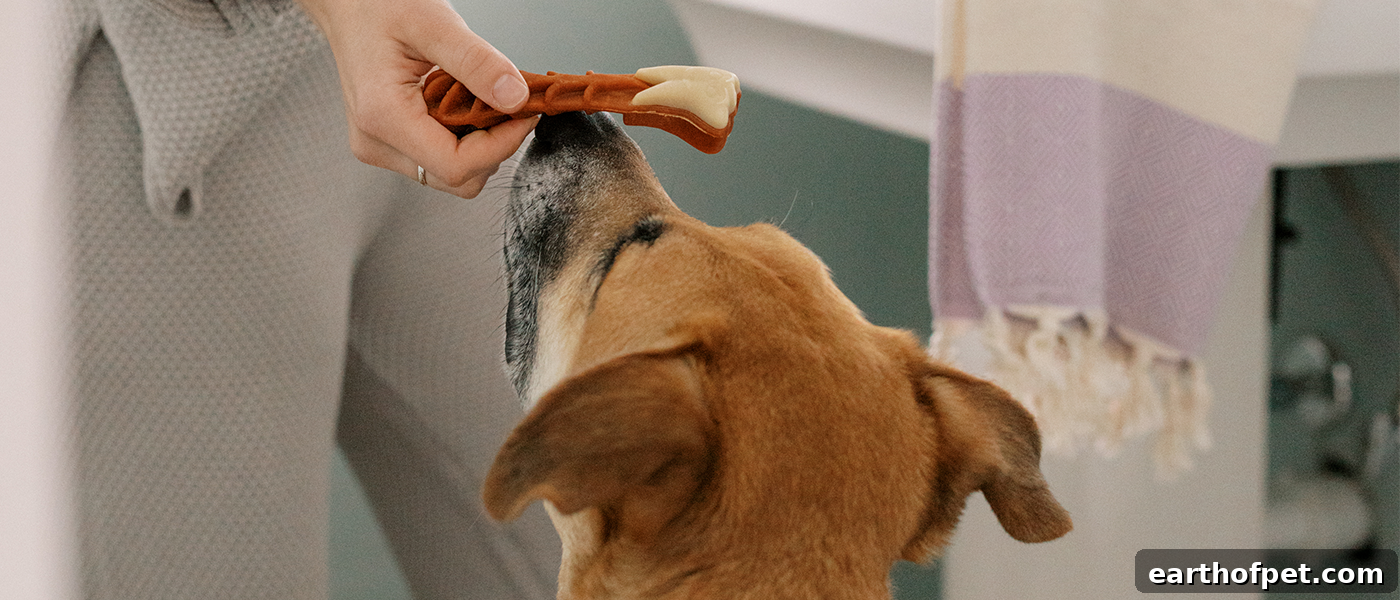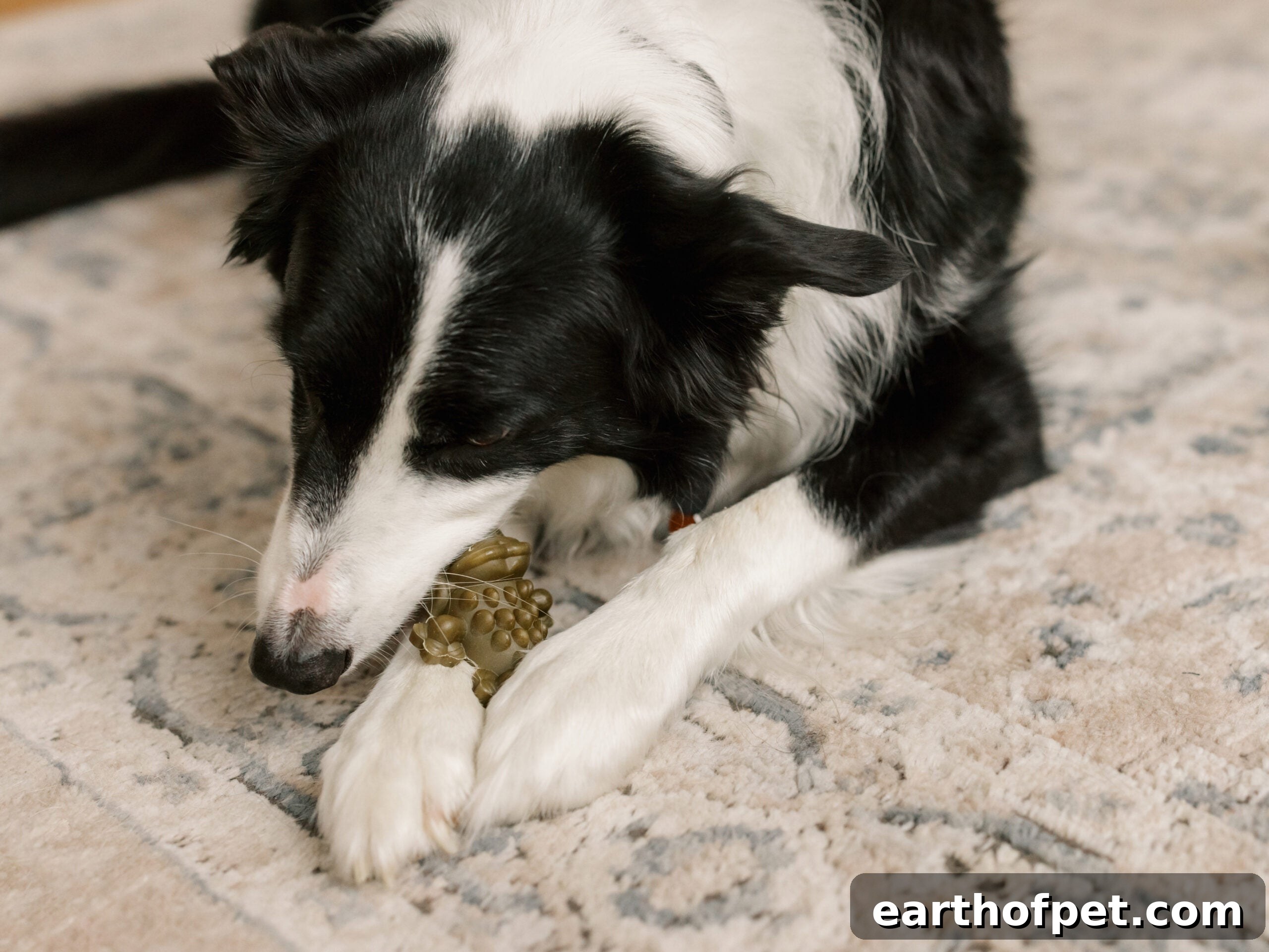
Every morning and night you brush your teeth to prevent plaque and tartar buildup, and to protect your overall health. The same principle applies to your dog: oral health is a vital part of their overall well-being. Despite that, only a small percentage of pet owners brush their dog’s teeth regularly, and over time poor dental care can lead to gum disease, bad breath, pain, and even tooth loss.
To help support good oral hygiene, many owners give their dogs dental chews. But do dental chews really work for dogs? How do they compare with brushing, and how should you choose a chew that actually helps? This article explains the science behind dental chews, their benefits and limits, and practical tips to keep your dog’s mouth healthy.
Do Dog Dental Chews Work?
Dental chews can be an effective tool to improve canine oral health when used correctly and consistently. A daily dental chew can reduce plaque and tartar accumulation, support healthier gums, and help control bad breath. Their effectiveness depends heavily on the product’s design and ingredients, so not every chew on the market will deliver the same benefits.
High-quality dental chews are formulated and shaped to encourage mechanical cleaning as the dog chews, and some include ingredients that support oral hygiene. Independent research and veterinary guidance suggest that regular use of reputable dental chews can meaningfully reduce plaque and tartar compared with no chew at all. That said, dental chews are best viewed as one component in a comprehensive dental care routine rather than a complete replacement for professional care.
How Do Dog Dental Chews Work?
Dog dental chews work primarily through mechanical action and, in some cases, through chemistry. The chewing motion and the textured surface of the chew help scrub the teeth as the dog gnaws, reaching crevices that the tongue alone cannot. This physical abrasion helps dislodge soft plaque before it mineralizes into hardened tartar.
Some dental chews are engineered with specific textures—ridges, hollow centers, or fibrous strands—to maximize contact with tooth surfaces and clean hard-to-reach areas, like the back molars. Other chews include safe enzymatic ingredients or antibacterial agents designed to neutralize odor-causing bacteria and reduce biofilm formation on the tooth surface. When combined, texture and targeted ingredients support fresher breath and reduced plaque when used regularly.
Keep in mind that not all chews are created equal. Chews that are too hard can risk tooth fracture in some dogs, while chews that are too soft may simply be consumed without providing effective cleaning. Choosing a chew with an appropriate size, texture, and proven formulation is important for safety and efficacy.
Can Dental Chews Replace Brushing?
Dental chews are a valuable and practical aid, especially for dogs that resist toothbrushing, but they should not be seen as a complete substitute for brushing and professional dental care. The ideal approach to canine oral health combines daily toothbrushing with periodic dental chews and routine veterinary dental exams.
Toothbrushing remains the gold standard because it allows direct removal of plaque from all tooth surfaces and the gums when performed correctly with a dog-safe toothpaste. If daily brushing isn’t feasible, a high-quality daily dental chew can significantly reduce plaque accumulation and support gum health until brushing becomes possible. Regardless of home care, schedule annual or biannual veterinary dental checkups so your veterinarian can evaluate gum health, remove built-up tartar that cannot be removed at home, and identify any dental disease early.
Contribute to Your Dog’s Whole Health
Oral health affects the whole body. Untreated periodontal disease can be painful and may increase the risk of secondary health problems. Taking simple daily steps—brushing when you can, offering a veterinarian-recommended dental chew, and keeping regular vet appointments—will go a long way toward protecting your dog’s teeth and overall health.
When choosing a dental chew, look for products designed for your dog’s size and chewing habits, with a proven texture and formulation that supports plaque reduction without being overly hard. Monitor your dog when giving chews to ensure safe consumption, and consult your veterinarian if you notice persistent bad breath, bleeding gums, loose teeth, or changes in eating behavior. With consistent care, dental chews can be an effective part of a balanced oral health plan that helps keep your dog comfortable, happy, and healthy.