Introduction
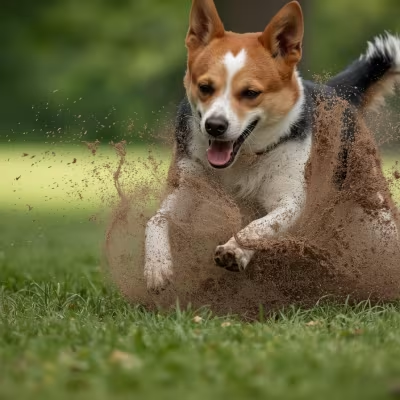
As a devoted pet owner, you want your dog to enjoy life to the fullest. However, if your furry friend has developed a habit of chasing squirrels and bikes, it can create challenges during walks and outings. Not only can this behavior be frustrating, but it can also pose safety risks for your dog and those around them. In this blog post, we'll explore effective strategies to stop your dog from chasing squirrels and bikes, ensuring a safer and more enjoyable experience for everyone.
Understanding the Behavior
Before diving into solutions, it’s important to understand why dogs chase after squirrels and bikes. This behavior can stem from various instincts, including:
- Prey Drive: Many dogs have a natural instinct to chase small animals.
- Curiosity: Dogs are curious creatures and may chase after anything that moves.
- Lack of Training: Without proper training, dogs may not understand the boundaries of acceptable behavior.
Recognizing the underlying reasons for this behavior is the first step toward addressing it effectively.
Step-by-Step Solutions to Stop Your Dog from Chasing Squirrels and Bikes
Here are step-by-step strategies to help correct this behavior:
1. Teach the "Leave It" Command
This command is essential for teaching your dog to ignore distractions. Here's how to teach it:
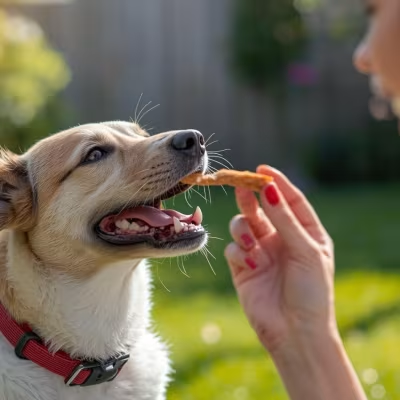
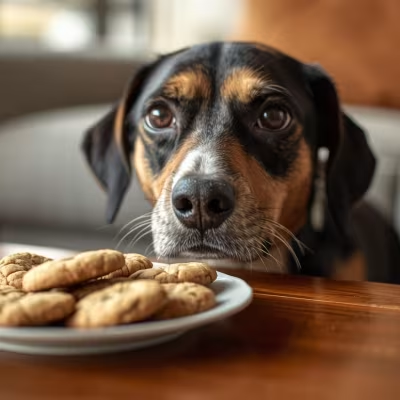
- Start Indoors: Use a treat and show it to your dog. When they try to grab it, say, "Leave it." Wait until they back away, then reward them with the treat.
- Practice Outdoors: Gradually introduce this command in a controlled outdoor environment. Use a leash if necessary, and reward your dog for ignoring squirrels or bikes.
2. Use Positive Reinforcement
Reward your dog when they remain calm in the presence of distractions. This builds a positive association with ignoring squirrels and bikes:
- Timing is Key: Be sure to reward your dog immediately when they show calm behavior.
- High-Value Treats: Use treats that your dog loves to encourage better compliance.
3. Redirect Their Attention
If your dog starts to chase, redirect their attention to you or a toy:
- Engage with Toys: Bring along a favorite toy or ball during walks to distract your dog when they fixate on a squirrel or bike.
- Use a Command: Teach commands like "Come" or "Focus" to redirect their attention back to you.
4. Practice Controlled Exposure
Gradually expose your dog to the triggers in a controlled manner:
- Distance is Important: Start from a distance where your dog can see squirrels or bikes but not chase them.
- Gradually Decrease Distance: As your dog becomes more comfortable, slowly lower the distance while practicing commands.
5. Increase Exercise and Mental Stimulation
A tired dog is less likely to chase after distractions. Here are some ideas:
- Daily Walks: Ensure your dog is getting enough physical activity through daily walks and playtime.
- Mental Games: Engage your dog in puzzle toys or training exercises to stimulate their mind.
Common Mistakes Pet Owners Make
Here are some common mistakes that pet owners often make when trying to stop their dogs from chasing:
- Punishing the Behavior: Punishment can create fear and anxiety, making the problem worse. Focus on positive reinforcement instead.
- Inconsistency: Being inconsistent with commands and rewards can confuse your dog. Maintain a consistent training routine.
- Ignoring Triggers: Failing to recognize what triggers your dog's chasing behavior can hinder progress. Pay attention to their reactions.
Pro Tips from Veterinary Experience
Drawing from my 15 years of experience as a veterinarian, here are some pro tips to help manage your dog's chasing behavior:
- Socialization: Ensure your dog is well-socialized with other dogs and people. This can help reduce their urge to chase.
- Use a Head Halter: For strong pullers, consider using a head halter to give you better control during walks.
- Stay Calm: Your reaction to a chasing incident can affect your dog. Stay calm and assertive to help them feel at ease.
When to See a Vet
If your dog's chasing behavior is excessive or leads to harm, it may be time to consult a veterinarian. Here are some signs that warrant a consultation:
- Your dog has injured themselves or others while chasing.
- Chasing becomes compulsive and affects their daily life.
- You notice sudden changes in behavior, such as increased anxiety or aggression.
- You are struggling to manage the behavior despite consistent training efforts.
FAQ
1. Why does my dog chase squirrels?
Dogs chase squirrels due to their natural prey drive and instinctual behaviors. They may also be driven by curiosity or lack of proper training.
2. How can I stop my dog from chasing bikes?
Use consistent training methods, such as the "Leave It" command, positive reinforcement, and redirection techniques during walks.
3. My dog gets overly excited when he sees a squirrel. What should I do?
Practice controlled exposure and work on calming exercises. Ensure your dog is well-exercised, as a tired dog is less likely to react excitedly to distractions.
4. Is it dangerous for my dog to chase after things?
Yes, chasing can lead to accidents, injuries, or getting lost. It's essential to manage this behavior for your dog's safety and the safety of others.
Conclusion
Stopping your dog from chasing squirrels and bikes is a manageable process with patience, consistency, and the right training techniques. By understanding the behavior, using positive reinforcement, and providing ample exercise, you can help your dog learn to ignore distractions. Remember to consult a veterinarian if you notice any concerning changes in behavior or if you need additional guidance. With dedication and love, you can create a safer, happier environment for both you and your furry companion.

0 Comments
No comments yet. Be the first to share your thoughts!
Leave a Comment