How to Stop Your Dog from Begging for Food at the Table
Many dog owners find themselves facing a widespread challenge: their four-legged friend begging for food at the dinner table. While it can be hard to resist those soulful eyes, teaching your dog not to beg for food is crucial for their health and your own peace of mind. In this blog post, we will explore effective strategies to curb this behavior, ensuring your dog is well-behaved during mealtime.
Understanding Why Dogs Beg
Before we dive into solutions, it's important to understand why dogs beg for food. Dogs are naturally opportunistic eaters, and they quickly learn that begging can result in tasty treats. This behavior is often reinforced when owners unintentionally reward their dog with food when they beg. To successfully stop your dog from begging, you need to first understand their motivations.
Step-by-Step Guide to Stop Your Dog from Begging
Here’s a simple, step-by-step guide to eliminate begging at the table:
- Establish a Routine: Dogs thrive on consistency. Feed your dog at the same time every day in a designated spot. This helps them understand when to expect food.
- Use Commands: Teach your dog a command like “place” or “go to your bed.” This gives them a specific task to focus on while you eat.
- Ignore the Behavior: When your dog begs, avoid eye contact and do not respond. If they receive any attention, even negative, it can reinforce begging.
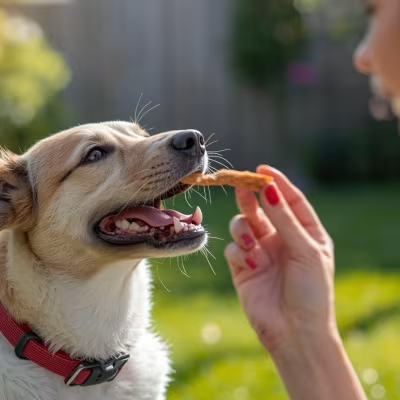
- Reward Good Behavior: When your dog stays calm and doesn’t beg, reward them with praise or treats after your meal. This encourages them to repeat that behavior.
- Provide Distractions: Offer a chew toy or a puzzle feeder during your mealtime to keep them occupied and distracted from your food.
- Adjust Your Feeding Schedule: If your dog is begging because they’re hungry, consider adjusting their feeding schedule. Make sure they are getting enough food at their regular mealtimes.
- Be Consistent: Everyone in your household must be on the same page. Consistency is key to successfully change your dog’s behavior.
Common Mistakes Pet Owners Make
It’s easy to make mistakes when trying to stop your dog from begging. Here are some common pitfalls to avoid:
- Feeding from the Table: Sharing your food, even just a tiny morsel, can reinforce begging behavior. It’s important to stick to your feeding routine.
- Giving In: If your dog begs and you give in after a few minutes, you teach them that persistence pays off.
- Inconsistent Reinforcement: If you occasionally give your dog food while they beg, it confuses them and makes them more likely to continue the behavior.
- Ignoring Other Forms of Attention: Sometimes, owners unknowingly reward begging with attention, like talking to the dog or petting them, even if it’s negative.
Pro Tips from Veterinary Experience
Based on my 15 years of experience as a veterinarian, here are some pro tips to help you effectively stop your dog from begging:
- Health Check: Ensure your dog is healthy and not begging due to underlying medical issues. A quick vet visit can rule out any health concerns.
- Use Positive Reinforcement: Reward your dog for good behavior with treats or praise, but only when they are calm and not begging.
- Socialization: A well-socialized dog is generally more relaxed and less likely to beg. Ensure your dog has regular exercise and positive social interactions.
- Create a Safe Space: Designate a comfortable area away from the dining table where your dog can relax while you eat.
- Patience is Key: Changing behavior takes time. Be patient and consistent with your training efforts.
When to See a Vet
If your dog’s begging behavior is accompanied by other concerning signs, such as sudden weight loss, changes in appetite, or any gastrointestinal issues, it’s important to consult your veterinarian. They can help determine if there are underlying health issues contributing to this behavior. Additionally, if you feel overwhelmed by your dog’s begging habits and traditional methods aren’t working, a vet can provide further guidance and recommend a pet behaviorist if needed.
Frequently Asked Questions (FAQ)
- Why does my dog beg for food at the table?
Dogs beg for food mainly because they are opportunistic eaters. They learn quickly that begging can lead to tasty rewards. - Is it harmful to give my dog table scraps?
While an occasional small piece may not harm your dog, regularly giving table scraps can lead to obesity and other health issues. It’s best to avoid this habit. - Can I train an older dog to stop begging?
Yes! Dogs of all ages can learn new behaviors. Training may take a bit longer with older dogs, but with patience and consistency, it is certainly possible. - What should I do if my dog continues to beg despite my efforts?
If your dog continues to beg after implementing these strategies, consult your veterinarian for further advice or to rule out any health issues.
Conclusion
Teaching your dog not to beg for food at the table can take time and patience, but it is absolutely achievable. By establishing a routine, using commands, and rewarding good behavior, you can help your dog learn to respect mealtime boundaries. Remember, consistency is key, and it’s essential to avoid reinforcing begging behavior. If you have concerns about your dog’s health or behavior, don’t hesitate to consult your veterinarian. With the right approach, you and your furry friend can enjoy peaceful mealtimes together!


0 Comments
No comments yet. Be the first to share your thoughts!
Leave a Comment