Holistic, as defined by the Merriam-Webster dictionary, is "relating to or concerned with complete systems rather than individual parts." In dogs diagnosed with cancer, a holistic treatment approach addresses not only the cancer itself, but also your dog's lifestyle, diet and other factors that could affect treatment outcomes.
Eastern Medicine
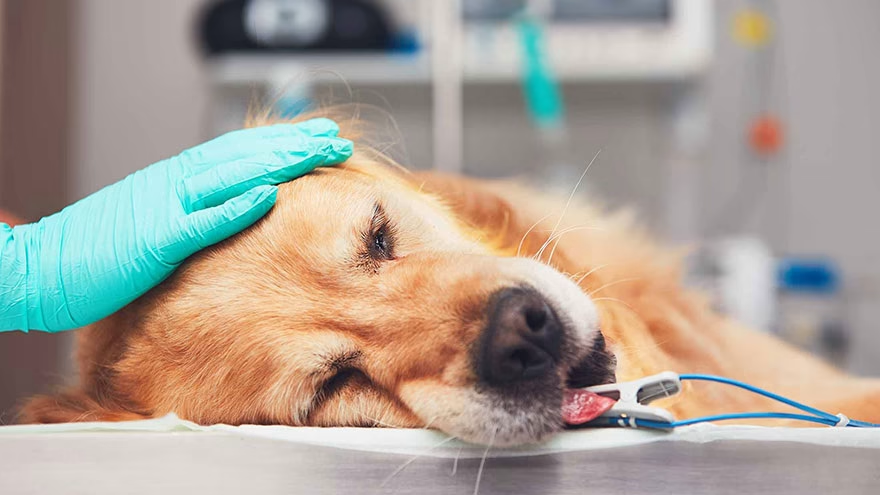
Chinese herbal therapy and acupuncture make up two of the most recognized forms of holistic treatment in dogs. These therapies may be utilized as the sole treatment plan for a dog diagnosed with cancer, but are often recommended for use in conjunction with traditional cancer therapies. Herbal therapies can be utilized not only to treat cancer directly, but also to boost your dog's immune system, minimize secondary effects of the cancer such as weight loss and to reduce the duration or severity of side effects from chemotherapy or radiation therapy.Acupuncture is frequently used to minimize side effects of chemotherapy or radiation therapy and to alleviate pain associated with certain tumor types.
Essential Oils
Essential oils are concentrated liquids derived directly from plants and provide many benefits to humans. There is an increasing amount of research being performed evaluating the usefulness of essential oils in our pets as well. In a 1995 study by pharmacologist LR Phillips et al, components of citrus essential oils showed promise in the treatment of cancer in dogs, both by directly inhibiting tumor growth and by stimulating the immune system.Frankincense has been shown to exhibit these same cancer-fighting effects, while other essential oils can be used to minimize chemotherapy side effects such as nausea or anxiety associated with veterinary visits.
RELATED :: Causes of Cancer in Dogs
Dietary Modifications
There is much debate regarding the best diet for use in dogs diagnosed with cancer. The most definitive research regarding dietary changes that impact survival time in dogs undergoing cancer treatment was performed by GK Ogilvie, a veterinary oncologist, in 2000. His study determined that a low-carbohydrate, higher fat and protein diet was most effective in prolonging survival.Low carbohydrate or carbohydrate-free diets are also recommended by holistic veterinarians, as carbohydrates contribute to imbalances within the body that can promote tumor formation or diminish response to therapy. Several specially formulated commercial diets with little to no carbohydrate source are now available in pet stores, or your veterinarian can provide a formula for a home-cooked diet if you prefer to prepare your dog's meals yourself.
Lifestyle Changes
Your dog may perk from additional lifestyle modifications that can improve response to treatment and minimize negative side effects while undergoing therapy. Exercise can improve mobility, help maintain muscle mass and a healthy weight, and provide stimulationmental stimulation.Minimizing stress by making veterinary visits a positive experience or reducing stressful environmental factors such as sleep interruptions or annoying housemates can have a positive impact how your dog responds to therapy.
A holistic approach to cancer treatment can involve a variety of options. You and your veterinarian can decide whether you choose to pursue all or one of them, either in conjunction with conventional therapy or instead of it, allowing you to make the best decision for your beloved canine companion.
You Might Also Like :: Cancer Growths in Dogs



0 Comments
No comments yet. Be the first to share your thoughts!
Leave a Comment