Dog Weight Management: Helping Overweight Dogs
Canine obesity has reached epidemic proportions, affecting nearly 60% of dogs in developed countries. Overweight dogs face significantly increased health risks: joint disease, diabetes, heart disease, shortened lifespan, and reduced quality of life. However, weight loss is achievable through complete management combining diet, exercise, and behavioral changes. This detailed guide provides practical strategies for helping your overweight dog achieve and maintain healthy weight.
Understanding Canine Obesity
Causes of Overweight
Overfeeding: The most common cause. Excessive portions combined with treats that exceed 10% of daily calories create energy surplus leading to weight gain.
Inappropriate Food Choices: High-calorie, low-nutrient foods encourage overeating without meeting satiety needs. Quality foods increase fullness, reducing overall consumption.
Lack of Activity: Sedentary dogs burn fewer calories, making excess calories more likely to accumulate.
Genetic Predisposition: Some dogs and breeds are inherently prone to obesity, having slower metabolisms or increased appetite regulation issues.
Medical Conditions: Hypothyroidism, Cushing's disease, and other conditions increase weight gain risk.
Medications: Some medications increase appetite or decrease metabolism, contributing to weight gain.
Age: Metabolic rate naturally slows with age. Senior dogs require fewer calories than younger adults.
Reproductive Status: Spayed and neutered animals have lower metabolic rates than intact animals, predisposing to weight gain.
Health Risks of Canine Obesity
Orthopedic Problems
Excess weight strains joints, accelerating arthritis development and worsening existing joint disease. Obese dogs develop arthritis earlier and more severely than lean dogs.
Metabolic Disorders
Obesity increases diabetes risk significantly. Excess weight impairs insulin sensitivity, requiring higher insulin levels. Weight loss in obese diabetic dogs sometimes eliminates need for insulin treatment.
Cardiovascular Disease
Obesity increases heart disease risk through multiple mechanisms: increased blood pressure, increased cardiac workload, and inflammatory processes. Lean dogs have better cardiovascular health and longer lifespans.
Respiratory Problems
Excess abdominal fat restricts lung expansion, making breathing more difficult. Overweight dogs show exercise intolerance, shortness of breath, and reduced ability to regulate body temperature.
Cancer Risk
Obesity increases risk for certain cancers. The inflammatory state obesity creates promotes cancer development.
Shortened Lifespan
Studies show obese dogs live significantly shorter lives than lean dogs—as much as 2-3 years less. Weight management is one of the most impactful interventions for extending lifespan.
Assessing Your Dog's Weight Status
Body Condition Scoring
Body condition is more important than absolute weight. Use a 1-9 body condition scale:
Ideal (4-5/9): Ribs easily palpable without excess fat. Visible waist when viewed from above. Abdomen not sagging.
Overweight (6-7/9): Ribs palpable with difficulty under fat layer. Waist not clearly visible. Slight abdominal sag.
Obese (8-9/9): Ribs not palpable. No waist. Abdominal distension. Fat deposits visible over hips and shoulders.
Ideally, dogs are a 4 or 5 on the nine-point scale.
Veterinary Assessment
Your veterinarian can accurately assess body condition and provide personalized weight loss recommendations. They identify contributing medical conditions and design appropriate weight loss plans.
Medical Evaluation Before Weight Loss
Before starting weight loss, veterinary evaluation ensures no underlying conditions complicate weight management:
- Thyroid Testing: Hypothyroidism requires treatment before weight loss is possible
- General Health Assessment: Overall health status guides weight loss approach
- Medication Review: Identify medications contributing to weight gain
- Disease Screening: Identify conditions (diabetes, joint disease) requiring special considerations
Your veterinarian tailors weight loss plans to your dog's specific health status.
Weight Loss Strategy: Diet
Reduce Calories Appropriately
Reduce calories by 10-25%, creating energy deficit leading to gradual weight loss. Never reduce calories more drastically, which causes malnutrition. Ideal weight loss is 1-2% of body weight weekly.
For a 50-pound dog, target loss of 0.5-1 pound weekly. At this rate, a 10-pound overweight dog loses weight over 10-20 weeks—sustainable, achievable weight loss.
Choose High-Satiety Foods
High-protein, high-fiber foods increase fullness despite reduced calories. Dogs eating nutritious foods feel satisfied on smaller portions. Choose:
- High Protein Foods: Support muscle retention despite reduced calories
- High Fiber Foods: Increase fullness and digestion time
- Low Calorie Density Foods: More volume for fewer calories
- Limited Ingredient Diets: Reduce excess calories and potential allergens
Prescription Weight Loss Diets
Many veterinary prescription diets are specifically formulated for weight loss. These diets typically:
- Provide complete nutrition at reduced calories
- Increase satiety through high protein and fiber
- Include supplements supporting joint and overall health
- Are scientifically formulated for safe, effective weight loss
Prescription diets often cost more but produce better results than commercial diets.
Portion Control
Measure portions precisely using measuring cups or kitchen scales. Eyeballing portions inevitably leads to overfeeding. Many owners underestimate portions when eyeballing.
Use charts or feeding calculators to determine appropriate portions for target weight, not current weight.
Eliminate Excess Treats
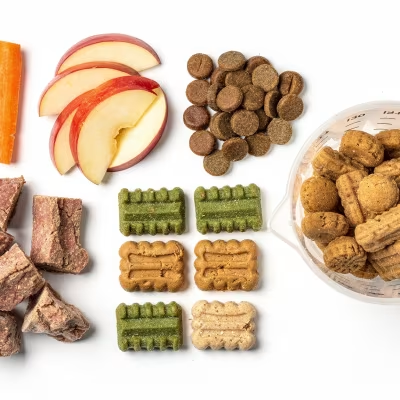
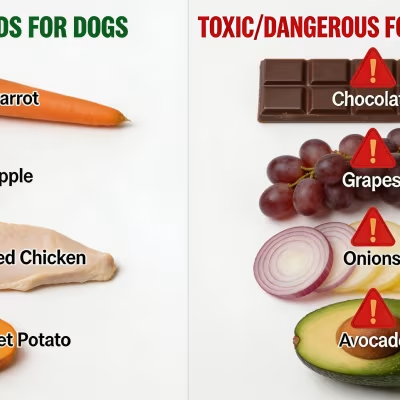
Treats often exceed 10% of daily calories, sabotaging weight loss. During weight loss, limit treats to 5% or less of calories, or use only vegetables (carrots, green beans) with minimal caloric impact.
Educate family members—treats from family significantly undermine weight loss efforts.
Weight Loss Strategy: Exercise
Increasing Activity
Increasing activity burns additional calories while improving fitness. However, obese dogs have reduced exercise tolerance due to joint stress and cardiovascular strain. Progress gradually:
Week 1-2: Increase activity slightly—shorter, more frequent walks. Monitor for difficulty or pain.
Week 3-4: Gradually increase walk duration if dog tolerates well.
Week 5+: Continue gradual increases based on dog's tolerance.
Appropriate Exercise for Overweight Dogs
- Walks: Start with short walks (5-10 minutes) twice daily, gradually increasing
- Swimming: Excellent low-impact exercise reducing joint stress
- Water Treadmill: Allows controlled, low-impact exercise
- Play Sessions: Interactive play, fetch, or games increase activity
Avoid high-impact activities (jumping, running on hard surfaces) that stress already-strained joints.
Monitoring Exercise Tolerance
Overweight dogs tire easily and might experience joint pain during activity. Watch for:
- Heavy panting or shortness of breath
- Limping or reluctance to move
- Exercise intolerance (stopping, lying down)
Slacken the pace if these occur. Gradual conditioning improves tolerance over weeks.
Behavioral and Environmental Factors
Feeding Practices
- Feed Separately: Prevent competition between multiple dogs
- Remove Bowls After Meals: Don't leave food available constantly
- Feed at Scheduled Times: Predictable feeding supports portion control
- Don't Use Food as Comfort: Provide attention and affection instead of food
- Avoid Table Scraps: Never feed from the table
Family Education
Successful weight loss requires household commitment. Educate family members about:
- Approved treats and portions
- Appropriate interactions (no food rewards)
- Consistency with diet and exercise
- Supporting the dog's health goals
Environmental Changes
- Secure Trash: Prevent scavenging
- Store Food Securely: Keep human food inaccessible
- Increase Walking Routes: Variety maintains enthusiasm
- Create Exercise Opportunities: Encourage activity through environmental design
Monitoring Weight Loss Progress
Weigh Regularly
Weigh your dog weekly initially, transitioning to monthly once steady loss occurs. Track weight on a graph to visualize progress and identify plateaus.
Body Condition Assessment
Assess body condition monthly. Visual and palpable changes often appear before scale changes reflect them.
Veterinary Monitoring
Schedule veterinary checkups every 4-8 weeks during weight loss. Your veterinarian adjusts portions as weight decreases, ensuring ongoing caloric deficit without overfeeding.
Handling Weight Loss Plateaus
Understanding Plateaus
Weight loss isn't linear. Plateaus lasting 2-4 weeks sometimes occur as the body adapts. Patience is essential—plateaus resolve with continued effort.
Breaking Plateaus
- Reduce Calories Further: Modest 5-10% additional reduction (consulting veterinarian)
- Increase Activity: Gradually increase exercise duration or intensity
- Change Food: Switch to different weight loss diet if current diet plateaus
- Veterinary Assessment: Rule out medical changes (medication effects, thyroid issues)
Long-Term Weight Maintenance
Target Weight Achievement
Once target weight is achieved, maintaining it prevents re-gaining weight. Maintenance requires:
- Consistent Portion Sizes: Determine maintenance caloric needs
- Continued Exercise: Maintain activity levels established during loss
- Continued Monitoring: Regular weigh-ins catch weight creep early
- Treat Limitations: Maintain 10% treat limit
Preventing Rebound Weight Gain
Many dogs regain weight after loss if practices return to pre-loss patterns. Maintain weight loss practices long-term: Monthly weigh-ins identify gaining trends early, Continued measured portions, Regular exercise habits, and Limited treats.
Special Considerations
Dogs With Joint Disease
Overweight dogs with arthritis require careful exercise progression. Work with your veterinarian or physical therapist to design appropriate exercise. Swimming or water treadmill often works better than land-based exercise.
Senior Dogs
Senior dogs lose weight more slowly and require careful management to prevent muscle loss. Maintain adequate protein while creating caloric deficit. More frequent veterinary monitoring ensures appropriate progress.
Dogs With Health Conditions
Dogs with diabetes, heart disease, or other conditions require specialized weight management plans. Work closely with your veterinarian.
Celebrating Success
Weight loss is gradual but achievable. Celebrate milestones: First pound lost, Return of enthusiasm for walks, Improved joint function, Better sleep and breathing, and Veterinarian approval of progress.
These improvements signal improving health and quality of life.
Conclusion
Canine obesity is serious but addressable through complete management combining diet, exercise, and behavioral change. Gradual, sustainable weight loss improves joint function, reduces disease risk, and increases lifespan. Work with your veterinarian to develop a personalized plan, implement it consistently, and monitor progress. Your commitment to your dog's weight management demonstrates genuine care and investment in their health and longevity. The effort required for weight loss pays dividends through years of improved health, mobility, and happiness.


0 Comments
No comments yet. Be the first to share your thoughts!
Leave a Comment