Dog Food Allergies: Identifying and Managing Them
Food allergies affect a significant percentage of dogs, causing frustrating symptoms including itching, ear infections, digestive upset, and skin issues. However, identifying food allergies requires specific diagnostic approaches, not just trial-and-error diet changes. Understanding how food allergies develop, recognizing symptoms, and implementing proper elimination diets helps you identify triggers and resolve your dog's discomfort. This complete guide explores food allergies in dogs and practical management strategies.
Understanding Canine Food Allergies
How Food Allergies Develop
Food allergies result from immune system overreactions to specific proteins in food. The immune system identifies a harmless protein as threatening and mounts an inflammatory response. This reaction varies by individual—the same protein triggers allergies in some dogs while others tolerate it perfectly.
Food allergies are distinct from food sensitivities or intolerances. Sensitivities cause digestive upset without immune system involvement—for example, lactose intolerance results from inadequate lactose-digesting enzymes, not allergic reactions.
Common Food Allergens
The most common canine food allergens are proteins, with chicken, beef, wheat, corn, and soy being frequent culprits. However, any food protein can trigger allergies. Some dogs develop allergies to foods they've eaten for years without problem.
Grains like wheat and corn are often blamed, but the allergen usually isn't the grain itself—it's often the protein within the grain. Removing grains doesn't help unless the specific protein within them is the allergen.
Prevalence and Timing
About 10% of canine allergies are food-related, with environmental allergies (pollen, mold, dust) being more common. However, when skin problems or chronic itching occur alongside digestive issues, food allergies should be investigated.
Food allergies can develop at any age. Dogs might eat a food for years then suddenly develop allergies. Puppies sometimes show allergies early, while others develop them later in life.
Recognizing Food Allergy Symptoms
Skin Symptoms
Itching is the most common food allergy symptom. Affected dogs scratch, lick, or bite at their skin, particularly in ears, paws, face, and skin fold areas. This itching often leads to secondary skin infections from constant scratching.
Rashes, hives, or skin redness appear without obvious cause. Skin conditions might improve with seasonal changes or environmental triggers, then suddenly worsen when food is the actual culprit.
Ear Infections
Recurrent ear infections, particularly yeast infections, often indicate food allergies. Allergens trigger inflammation that allows opportunistic yeast and bacteria to proliferate. Dogs with allergic ear infections might show: Persistent ear odor, Ear discharge, Head shaking, Pawing at ears, and Redness inside ear flaps.
Digestive Symptoms
Gastrointestinal signs including vomiting, diarrhea, gas, or constipation sometimes indicate food allergies. Digestive symptoms might be the primary sign or occur alongside skin issues.
Behavioral and Systemic Signs
Some dogs show lethargy, behavioral changes, or general malaise. Chronic allergies can cause discomfort and stress, affecting behavior and quality of life.
Diagnostic Process
Veterinary Examination
Start with your veterinarian. They'll examine your dog, assess symptoms, and determine if food allergies are likely. Skin scrapings or cultures identify secondary infections. Blood tests might rule out other conditions.
Your veterinarian might recommend skin testing to identify environmental allergens, ruling them out before pursuing food allergy investigation.
Elimination Diet
The gold standard for diagnosing food allergies is an elimination diet—removing suspected allergens and observing if symptoms improve. This requires feeding a limited ingredient diet, typically with:
Novel Protein: A protein your dog hasn't eaten before. Common options include venison, duck, rabbit, fish, or kangaroo. Avoid proteins in previous foods.
Limited Ingredients: A single carbohydrate source and single protein source, avoiding all other potential allergens. The diet must contain only these ingredients plus necessary supplements.
Duration: Elimination diets typically require 8-12 weeks. Some dogs improve within weeks; others need longer for complete symptom resolution.
During this period, avoid all treats, supplements, medications, and flavored items containing different ingredients. Even small exposures to allergens prevent accurate diagnosis.
Challenge Testing
After symptoms improve on an elimination diet, challenge testing confirms the allergen. Reintroduce suspected allergens one at a time while monitoring for symptom return. Symptom recurrence confirms that allergen's role.
This process identifies which specific ingredients trigger problems, allowing targeted avoidance rather than lifelong restriction.
Managing Food Allergies
Long-Term Dietary Management
Once allergens are identified, avoiding them is straightforward. Feed foods containing only safe ingredients. Read labels carefully—even small amounts of problematic ingredients cause problems.
Be particularly careful with treats and table scraps. A seemingly innocent treat might contain the allergen, triggering symptoms. Educate family members about dietary restrictions and provide approved treats.
Commercial Limited Ingredient Diets
Once you identify safe ingredients, choose commercial diets containing only those ingredients. Limited ingredient diets using novel proteins or elimination diet ingredients are available from many manufacturers.
Homemade or Raw Diets
Some owners prefer preparing homemade diets controlling all ingredients. This works well if properly formulated with appropriate supplementation. Consult a veterinary nutritionist to ensure complete, balanced nutrition.
Probiotics and Supplements
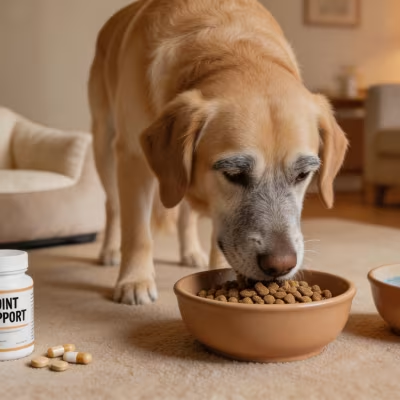
Some evidence suggests probiotics and omega-3 supplements help dogs with allergies. Fish oil reduces inflammation, potentially easing symptoms. Probiotics support gut health and immune function. Discuss supplements with your veterinarian before adding them.
Managing Secondary Complications
Secondary Skin Infections
Incessant scratching from allergies creates entry points for bacterial and yeast infections. These secondary infections must be treated while addressing underlying allergies. Your veterinarian might prescribe antibiotics, antifungals, or medicated shampoos.
Sometimes resolving the food allergy eliminates secondary infections without additional treatment. However, severe infections require concurrent treatment.
Chronic Ear Infections
Recurrent yeast ear infections from allergies require ongoing management. Regular ear cleaning, antifungal medications, and sometimes oral antifungals help control infections. Resolving the underlying food allergy often prevents recurrence.
Prevention and Special Considerations
Introducing New Proteins Gradually
To prevent sensitivities from developing, introduce new proteins gradually. Sudden dietary changes stress digestive systems. Mixing new proteins with established safe foods eases transition.
Rotating Proteins Strategically
Some owners rotate proteins regularly, believing this prevents developing new allergies. However, this can complicate allergy management. If a protein works well, continuing it is often safer than rotation.
Puppies and Allergy Prevention
Early exposure to various proteins and foods might prevent allergy development. Some evidence suggests early exposure during critical developmental windows creates tolerance. However, once allergies develop, avoidance is necessary.
Working With Your Veterinarian
Diagnosing food allergies requires veterinary partnership. Your vet guides proper elimination diet implementation, monitors progress, and performs challenge testing. They also identify secondary infections and recommend appropriate treatments.
Some veterinarians work with veterinary nutritionists for complex cases. Don't hesitate to ask for referrals if your veterinarian needs specialized expertise.
Quality of Life Improvements
Once food allergies are managed, improvements are often dramatic. Dogs stop itching, ear infections resolve, and behavioral improvements occur. The freedom from chronic discomfort dramatically improves quality of life.
Many owners report their dogs seem happier, more energetic, and more comfortable after allergy management. This improvement validates the effort required for proper diagnosis and dietary management.
Conclusion
Food allergies can be frustrating, but proper diagnosis and management resolve symptoms effectively. Resist the temptation to randomly switch foods hoping to find relief—work with your veterinarian to systematically identify allergens through elimination diets. Once identified, avoiding problem foods provides lasting relief. Your dog's improved health and comfort justify the effort required for accurate diagnosis and proper management.



0 Comments
No comments yet. Be the first to share your thoughts!
Leave a Comment