British Shorthair: Calm and Cuddly Companion
British Shorthair cats represent one of the oldest cat breeds, known for their distinctive round faces, stocky builds, and exceptionally calm, affectionate temperaments. These sturdy, independent cats combine gentle natures with low maintenance requirements, making them excellent choices for diverse families. Understanding British Shorthairs fully helps potential owners appreciate their unique qualities and straightforward care needs.
Historical Background and Breed Development
British Shorthair cats descended from domestic cats in Britain, refined through selective breeding during the nineteenth century. The breed was formally recognized in the 1880s and has remained consistently popular.
British Shorthairs are one of the oldest domestic cat breeds, with lineage tracing back centuries. Their development focused on creating sturdy, healthy cats suited to British climates.
Distinctive Physical Characteristics
British Shorthairs are immediately recognizable by their distinctive appearance. They have round, broad heads with prominent cheekbones and strong jaws. Their large, round eyes give them sweet, gentle expressions.
Their ears are small and rounded, positioned on top of their heads. Their stocky, muscular builds with short legs and strong frames create powerful, sturdy appearances.
Males typically weigh 11-17 pounds, while females are slightly smaller at 8-12 pounds. Their compact, muscular builds account for their substantial weight despite moderate size.
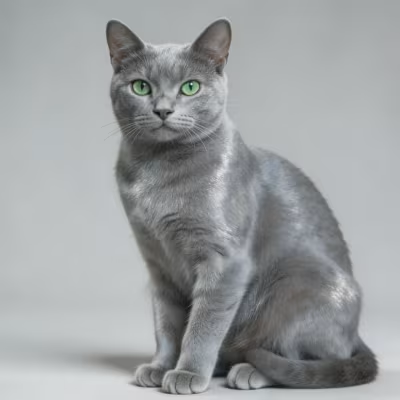
Their short, dense double coats come in virtually every color and pattern. Blue (gray) is the most iconic British Shorthair color, but they come in blacks, whites, reds, creams, and numerous combinations.
Their thick coats reflect their historical adaptation to cold, damp British climates.
Temperament and Personality
British Shorthairs are famous for their calm, independent, yet affectionate temperaments. They're not demanding or attention-seeking like some breeds but genuinely enjoy human companionship.
These cats are content being nearby without constant interaction. They often sit near owners, enjoying quiet companionship rather than demanding physical contact.
British Shorthairs are relatively quiet, using soft vocalizations rather than loud, demanding meows. This quiet nature appeals to people preferring calm home environments.
They're not particularly playful, though they enjoy gentle interactive play when in the mood. They're content with modest activity levels, making them suitable for busy owners.
These cats have minimal hunting drive, making them peaceful household companions without significant prey drive concerns.
British Shorthairs are especially patient, making them excellent with children and other pets. Their calm dispositions rarely result in aggression or territorial behavior.
Health Considerations
British Shorthairs are generally healthy, though several breed-specific conditions warrant attention. Hypertrophic cardiomyopathy, a heart condition, affects some British Shorthairs. Cardiac screening helps responsible breeders minimize this condition.
Hemophilia B (Factor IX deficiency), a bleeding disorder, occurs in some British Shorthair lines. Genetic testing allows breeders to avoid producing affected individuals.
Polycystic kidney disease affects some British Shorthairs. Genetic testing allows breeders to identify carriers and affected individuals.
Progressive retinal atrophy, an inherited eye condition, can lead to blindness. Responsible breeders conduct eye screening.
Responsible breeders conduct health screening and genetic testing before breeding. When selecting breeders, request documentation of health clearances.
British Shorthair lifespans typically range from 12-17 years, though many live into their late teens and early twenties with excellent care.
Exercise and Activity Needs
British Shorthairs require minimal exercise, preferring quiet lounging to active play. These calm cats don't need extensive environmental enrichment or vigorous activity.
Provide moderate play opportunities and window perches for observation. However, don't expect enthusiastic engagement or vigorous play.
Most British Shorthairs are content with sedentary lifestyles. Their low activity level means they're ideal for apartments and busy households.
Ensure some gentle activity prevents excessive weight gain and promotes overall health. Obesity can impact their sturdy builds.
Grooming and Coat Care
British Shorthair coats require moderate grooming. Brush them 2-3 times weekly to prevent matting (minimal risk) and control shedding. Their dense double coats shed moderately year-round.
Daily brushing during shedding seasons manages loose hair effectively. Their short coats are generally easier to maintain than long-haired breeds.
Bathe British Shorthairs occasionally (every 6-8 weeks) if desired, though bathing isn't strictly necessary. Their coats naturally shed dirt and oil.
Trim nails every 2-3 weeks. Clean ears weekly. Brush teeth daily to maintain dental health.
Their thick, healthy coats typically require less maintenance than many breeds.
Nutrition and Feeding
British Shorthairs require high-quality diets with adequate protein (30%+ for adults). Their calm nature means they can easily become overweight—portion control is important.
Provide measured portions based on age and activity level. Monitor weight regularly and adjust portions accordingly. Obesity impacts health negatively in their sturdy builds.
Kittens require specialized kitten food with appropriate nutrient ratios. Feed kittens 3-4 times daily until 6 months, then transition to twice-daily feeding.
Provide fresh water constantly. Water fountains may encourage hydration in cats preferring running water.
Training and Socialization
British Shorthairs are not particularly trainable compared to some cats, reflecting their independent nature. However, early socialization ensures confidence around various people and situations.
Their naturally calm nature typically makes socialization successful. They adapt well to different environments and handle changes gracefully.
Many British Shorthairs respond to positive reinforcement, though they're less motivated than more people-focused breeds.
Social Needs and Compatibility
British Shorthairs are independent cats not requiring constant human interaction. They're suitable for busy people spending time away from home.
They generally coexist peacefully with other cats, dogs, and cat-friendly pets. Their calm, non-aggressive nature facilitates peaceful household integration.
They're ideal for families wanting affectionate but independent cats. Their balance of attachment and independence appeals to diverse owners.
Their patience makes them excellent for families with children. Their calm nature rarely results in aggressive responses to typical childish behavior.
Environmental Needs
British Shorthairs are adaptable to various living situations. Apartments accommodate them easily given their low activity requirements.
Provide comfortable resting areas where these cats can lounge. Cozy beds, cushions, and warm spots appeal to their relaxed natures.
Window perches provide observation and entertainment without demanding active engagement.
Is a British Shorthair Cat Right for You?
British Shorthairs suit people wanting calm, independent, low-maintenance cats. They're ideal for busy professionals and people with limited time for intense cat engagement.
They're not appropriate for people wanting highly interactive, engaging cats. British Shorthairs are content with quieter relationships.
They're excellent for families with children and other pets. Their patient, calm natures make them suitable for busy households.
They're perfect for first-time cat owners seeking straightforward companion cats without excessive demands.
Financially, they're economical choices with modest grooming and typical veterinary needs.
Conclusion
A British Shorthair isn't just a pet — it's a Their independent, content natures combined with genuine affection create balanced relationships with owners.. For those appreciating calm, low-maintenance cats, British Shorthairs become trusted family members providing years of peaceful companionship.

0 Comments
No comments yet. Be the first to share your thoughts!
Leave a Comment