
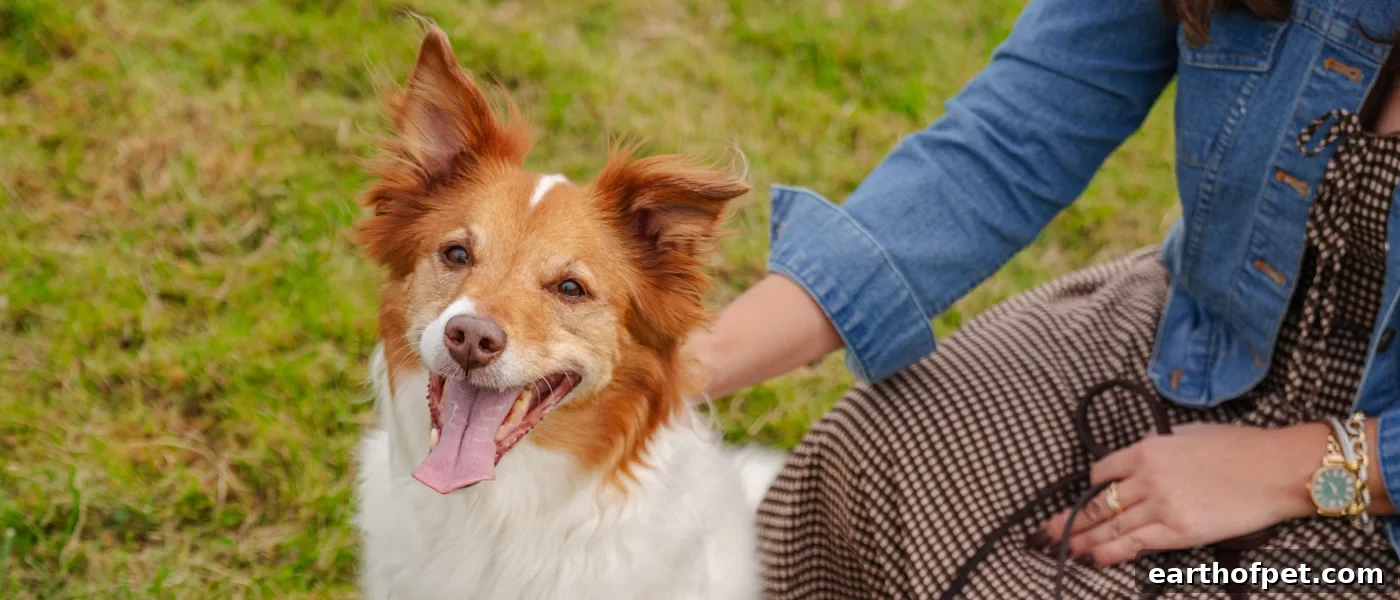
It’s National Pet Wellness Month — a timely reminder that routine veterinary checkups do far more than confirm your pet is well today. Preventive visits help protect their health, detect problems early, and preserve quality of life for months and years to come.
Your dog still greets the leash with excitement. Your cat hasn’t missed a meal or abandoned their sunny perch. Their coat looks healthy, energy seems normal, and life feels routine. Yet even pets that appear perfectly fine can have hidden issues. Dogs and cats are skilled at masking pain, so subtle behavior changes may be the only hint of trouble.
A pet wellness exam is focused on prevention and early detection rather than treating an obvious illness. It gives your veterinarian a chance to evaluate your pet’s overall condition, recommend tailor-made preventive care, and create a long-term health plan.
What Is a Pet Wellness Exam?
A pet wellness exam is a preventive veterinary visit that reviews your pet’s current health, identifies potential concerns, and sets out a care plan to keep them healthy. Think of it as a proactive health check rather than a reactive clinic visit.
During the appointment, the veterinarian examines your pet physically, reviews their medical history and daily habits, and suggests preventive measures — such as vaccinations, parasite control, nutrition adjustments, or diagnostic screening — based on age, lifestyle, and risk factors. Professional veterinary guidance generally recommends at least an annual exam for most pets, with some animals benefiting from more frequent visits.
A routine wellness visit may include:
- Complete physical examination (nose to tail).
- Weight and body condition assessment.
- Checks of teeth, gums, skin, coat, eyes, and ears.
- Heart, lung, joint, and mobility evaluation.
- Nutrition, behavior, and lifestyle review.
- Vaccination and parasite prevention planning.
- Bloodwork, urine, fecal testing, or other diagnostics when appropriate.
Not every pet needs every test at each visit; recommendations are individualized.
What Does a Veterinarian Check During a Wellness Exam?
A thorough exam covers multiple systems to build a complete picture of your pet’s health. Below are the main areas veterinarians evaluate and why they matter.
1. Weight and Body Condition
Weight is a key health indicator. Veterinarians measure weight, assess body condition score (BCS), and evaluate muscle mass. Both weight gain and unexplained weight loss can signal health issues: excess weight increases joint stress and disease risk, while weight loss may indicate an underlying problem.
At home, measure portions, limit treats, and monitor weight changes. Your veterinarian can suggest a target weight and feeding plan that match your pet’s life stage and activity level.
2. Eyes, Ears, Nose, and Mouth
Small signs like eye discharge, redness, ear odor, or nasal discharge can be early clues. Vets check for inflammation, infection, and structural issues that affect vision, hearing, breathing, or eating. Ear problems are common in dogs with floppy ears and in pets with allergies.
At home, note persistent squinting, head shaking, pawing at the face, or changes in appetite, and report these to your veterinarian.
3. Teeth and Gums
Oral health is central to overall wellbeing. A routine exam inspects visible teeth and gums for plaque, tartar, inflammation, broken teeth, and bad breath. Some dental disease occurs below the gumline and requires dental X-rays and a professional cleaning under anesthesia.
Ask your veterinarian about toothbrushing, dental chews, and how often professional dental care may be necessary.
4. Skin and Coat
A healthy skin and coat often reflect good nutrition and overall health. Vets examine for hair loss, redness, lumps, wounds, parasites, and infections. Persistent itching, excessive shedding, or changes in grooming can point to allergies, parasites, or nutritional issues.
Regular brushing and skin checks at home make it easier to spot problems early.
5. Heart and Lungs
Using a stethoscope, veterinarians listen for abnormal heart rhythms, murmurs, and unusual lung sounds. They also assess pulse and breathing patterns. Some heart and respiratory conditions develop slowly, so early detection helps manage them before they worsen.
Report coughing, unusual panting, reduced exercise tolerance, fainting, or breathing changes promptly — these may require urgent attention.
6. Joints, Mobility, and Overall Physical Condition
Mobility affects daily life. The exam includes checking posture, gait, joint range of motion, muscle condition, and signs of pain or stiffness. Even small behavior changes, like reluctance to jump or climb, can indicate discomfort rather than simple aging.
Short videos of your pet moving can be very helpful for the veterinarian.
What Else Happens During a Pet Wellness Check?
Beyond the physical exam, preventive care considers your pet’s medical history, nutrition, environment, and exposure risks. This is the time to tailor vaccines, parasite prevention, and diagnostic testing to your pet’s needs.
7. Nutrition and Diet Assessment
Your vet will review what and how much your pet eats, treat routines, and any supplements. Diet affects energy, digestion, skin and coat, immune health, and dental and bone health. Puppies and kittens need different nutrition than adults, and older pets may require adjustments to maintain muscle and manage chronic conditions.
Discuss whether your pet’s current food is complete and balanced for their life stage and activity level.
8. Vaccinations and Preventive Care
Vaccination schedules and preventive measures are individualized based on age, lifestyle, location, and exposure risks. Indoor and outdoor pets have different needs, and animals that board, socialize, or travel may need additional protection. Your veterinarian will recommend the appropriate vaccines and timing.
9. Flea, Tick, Heartworm, and Intestinal Parasite Prevention
Parasite prevention is a vital part of routine care. Depending on where you live and how your pet spends time outdoors, vets may recommend flea and tick control, heartworm prevention and testing, and fecal exams for intestinal parasites. Even indoor pets can face parasite risks, so discuss a prevention plan tailored to your pet’s species, age, and health.
10. Bloodwork and Other Diagnostic Tests
Diagnostic testing is recommended based on age, medical history, and exam findings. Blood tests, urinalysis, fecal testing, and heartworm screening can reveal issues not visible on physical exam and are especially useful for senior pets. Your veterinarian will explain why a test is suggested and how results could change care plans.
11. Behavior and Lifestyle Questions
A wellness exam is the ideal time to discuss behavior and daily routines. Expect questions about appetite, thirst, sleep, activity, bathroom habits, anxiety, vocalization, and social interactions. Behavioral changes can be signs of pain, illness, stress, or environmental issues, so share even minor concerns.
How Often Should Dogs and Cats Have a Wellness Exam?
Frequency depends on age, health, and lifestyle. Annual exams are the baseline for healthy adult pets, while puppies and kittens need more frequent visits during early life, and senior pets often benefit from twice-yearly checkups. Pets with chronic conditions or new symptoms may need a customized schedule.
Pet Wellness Exam Frequency at a Glance
| Life stage | Typical veterinary schedule | Main focus |
| Puppies and kittens | Every 3–4 weeks during early vaccinations and development, as directed | Vaccines, growth, nutrition, development |
| Healthy adult dogs | At least annually; some benefit from visits every 6 months | Preventive care, weight, dental health |
| Healthy adult cats | At least annually; some benefit from visits every 6 months | Weight, dental health, behavior, screening |
| Senior dogs | Generally every 6 months | Mobility, chronic disease monitoring, age-related changes |
| Senior cats | At least every 6 months | Kidney health, thyroid screening, dental health, mobility |
These are general guidelines; your veterinarian will create an individualized plan for your pet.
Your Pet Wellness Exam Checklist: How to Prepare
A little preparation makes the visit more productive. Bring or note the following:
- Current medication and supplement list.
- Vaccination records and any recent test results, if available.
- Details about current food, daily portions, and treat habits.
- Observations about changes in appetite, thirst, weight, energy, or bathroom habits.
- Behavioral changes, unusual symptoms, or a list of questions.
- Photos or short videos of symptoms or mobility issues.
- Ask the clinic if a stool sample or fasting is needed for planned tests.
- Use a secure leash or carrier, and inform staff if your pet becomes anxious during visits.
For cats, make the carrier familiar before appointment day. For dogs, brief positive handling and travel practice can reduce stress.
Questions to Ask Your Veterinarian
Use the appointment to ask about your pet’s specific needs. Helpful questions include:
- Is my pet at a healthy weight? What body condition score should we aim for?
- Is my pet’s current food appropriate? Should portions change with age or activity?
- Which vaccines and parasite preventives are recommended and how often?
- Does my pet need bloodwork or other screenings? What are the benefits and costs?
- Are there early signs of dental disease or mobility problems?
- How often should my pet return for wellness care?
- What changes at home should prompt an earlier appointment?
For older pets, ask which age-related conditions are most relevant to their breed. For puppies and kittens, discuss nutrition, socialization, and developmental milestones.
How Nutrition Supports Pet Wellbeing Between Veterinary Visits
Daily care — nutrition, exercise, dental hygiene, and parasite prevention — supports the health you and your veterinarian monitor during exams. A balanced diet influences energy, digestion, skin and coat, immune function, and bone and dental health.
Changes in energy, digestion, or coat condition can indicate nutritional needs or emerging health issues, so keep your veterinarian informed. Good nutrition complements veterinary care but does not replace regular checkups, vaccinations, or individualized screening.
A Healthier Future Starts With Routine Care
A pet wellness exam may feel routine, but it’s an essential step in safeguarding your pet’s long-term health. Regular checkups let your veterinarian establish baselines, catch subtle changes early, update preventive care, and address concerns before they escalate.
This National Pet Wellness Month, check when your pet last saw the veterinarian. If an appointment is overdue, schedule one. If your pet’s care is current, use the visit to review nutrition, daily habits, and preventive plans so you both can enjoy more healthy years together.