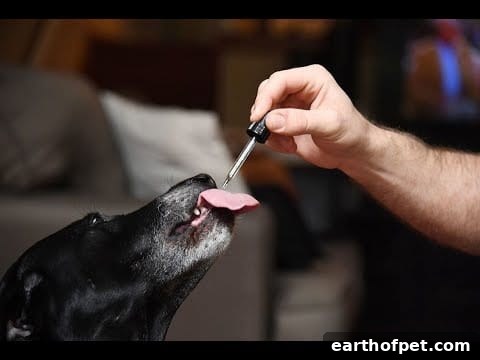
Currently there is a lot of interest in using CBD oil for pets. For pet owners who are unfamiliar with cannabis—or even those who think they know it—the subject can be confusing. Common questions include:
- Will CBD oil make my dog high?
- Are cannabis oil and CBD oil the same thing?
- Is CBD an effective pain reliever for dogs?
- Could CBD oil help with seizures in pets?
This article explains the differences between cannabis and CBD products, how CBD works, safety concerns, and practical advice for pet owners considering CBD oil for their animals.
CBD Oil Use in Pets
Search online and you will find many adverts for CBD oil for pets. These products are often promoted for conditions like arthritis, anxiety, seizures, and even cancer. Such marketing can make CBD sound like a cure-all. It’s important to separate marketing claims from what is supported by evidence and clinical experience. CBD may offer benefits in certain situations, but the current scientific evidence—especially in animals—is still limited. Responsible pet owners should weigh potential benefits against known risks and uncertainties.
Cannabis vs Cannabidiol Oil (CBD): What’s the Difference?
Cannabis, cannabis oils, and CBD oil are not the same. The cannabis plant produces many different compounds, and two of the best-known groups are:
- THC: Tetrahydrocannabinol is the compound that causes a psychoactive “high.” Products high in THC are psychoactive and may be illegal in some jurisdictions.
- CBD: Cannabidiol does not typically cause a psychoactive high. It is sought for potential therapeutic effects without the intoxicating effects of THC.
A simple comparison is to think of CBD oil like a non-alcoholic beer: it resembles the original product in some ways but lacks the intoxicating ingredient. Because of this difference, the terms “cannabis oil” and “CBD oil” should not be used interchangeably, though they often are in marketing material. Cannabidiol oil (CBD oil) is derived from parts of the cannabis plant with higher CBD content, while hemp seed oil is pressed from hemp seeds and primarily provides nutritional components like omega fatty acids rather than concentrated cannabinoids.
- Cannabis: Derived from the marijuana plant and may contain significant THC. Legal status varies by jurisdiction.
- Cannabis Oil: Often contains higher levels of THC and can be psychoactive.
- CBD Oil: A processed extract rich in cannabidiol and typically low in THC; not intended to be psychoactive.
- Hemp Oil: Made from hemp seeds, rich in omega-3 and omega-6 fatty acids and antioxidants; not the same as concentrated CBD extract.
What’s the Buzz about Cannabis and CBD Oil?
News stories about people using cannabis-derived products for severe medical conditions have increased public attention. These reports have sparked discussions about medical uses for cannabis and its derivatives. CBD products marketed for pets are widely available and often accompanied by testimonials claiming benefits for pain, anxiety, and seizures. However, those claims are frequently based on limited evidence or anecdotal reports rather than large-scale veterinary studies. That makes it important to evaluate products and claims critically.
How Do CBD Oils Work?
Cannabinoids interact with receptors in the nervous system and other tissues. Both humans and dogs have an endocannabinoid system with receptors that respond to cannabinoids. Proposed effects include modulation of pain perception and inflammation, and influencing certain neurological pathways. For example, CBD may affect levels of naturally occurring compounds that regulate pain, which could help some animals tolerate discomfort better.
Despite promising mechanisms and anecdotal reports, veterinary and human medical experts advise caution. There is limited high-quality evidence on effectiveness, appropriate dosing, and long-term safety in pets. Mainstream veterinary medicine does not yet endorse CBD oil as a universally accepted treatment, and more research is needed.
Will My Pet Get High?
Properly produced CBD oil is intended to be low in THC, so pets should not experience a psychoactive high. However, product labeling and purity are not consistently regulated, so the actual THC content may vary. The risk of intoxicating effects depends on the product’s purity and the dose given.
Are CBD Oils Safe for Pets?
Safety is a primary concern. Several issues should be considered before giving CBD products to pets.
Hidden Solvents
CBD extracts can be produced using chemical solvents. If extraction and processing are not carried out properly, harmful solvent residues could remain in the final product. Quality-controlled manufacturing reduces this risk, but not all products meet high standards.
Variation between Batches
Because CBD products are largely unregulated in many markets, concentrations of CBD and THC can vary between batches and brands. Labels may not accurately reflect actual contents, which raises the risk of underdosing, overdosing, or unexpected THC exposure.
Signs of CBD Overdose
Natural origin does not guarantee safety. Some natural substances are harmful to animals. If a pet ingests too much CBD oil or chews a large supply of CBD treats, possible signs to watch for include:
- Dry Mouth: Increased thirst or a dry, rough mouth.
- Dizziness: Disorientation, staggering, or difficulty coordinating movements.
- Low Blood Pressure: May present as weakness, lethargy, or reduced stamina.
- Drowsiness: Reduced alertness and responsiveness.
- Tremors: Muscle tremors or shaking have been reported in some cases.
Practical Advice
If you are considering CBD oil for your pet, take these precautions: consult your veterinarian first to discuss potential interactions and contraindications; research the product’s manufacturer and production standards; choose products from reputable sources that provide certificate-of-analysis testing; and monitor your pet closely after giving any new supplement. Track changes in behavior, activity, and vital signs, and contact your veterinarian promptly if you notice concerning symptoms.
References:
Independent News Online; Cannabidiols and Epilepsy (NCBI)