Memorial Day Pet Safety: Tips and Technology to Keep Pets Safe
As Memorial Day approaches and warm-weather gatherings begin, it’s important to plan ahead to keep pets safe and comfortable. Parties, barbecue foods, fireworks and heat can create hazards for cats and dogs. With a few common-sense precautions and the help of modern pet health technology, you can reduce risks and enjoy the holiday with peace of mind.
1. Avoid Heatstroke — Watch the Weather and Use Pet Health Trackers
Heatstroke is a leading risk for pets during hot spring and summer days. Signs to watch for include excessive panting, drooling, weakness, vomiting, disorientation and collapse. When temperatures climb, limit vigorous exercise, provide plentiful fresh water and shade, and keep outdoor exposure brief during peak heat hours.
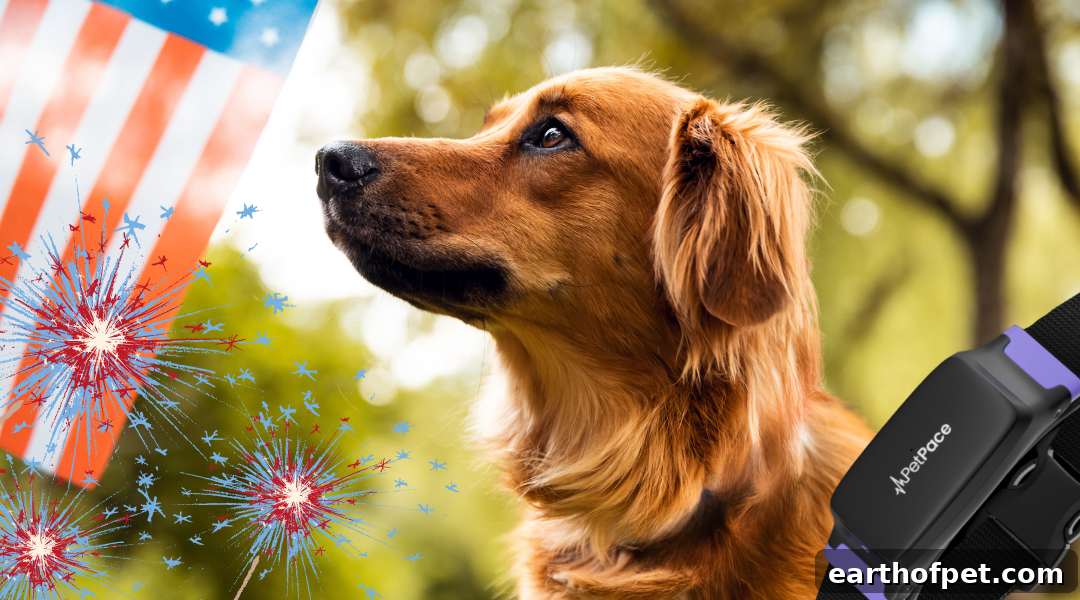
Wearable pet health trackers and smart collars that monitor vital signs can add an extra layer of safety by alerting you to early changes in body temperature, heart rate or activity. For example, PetPace and similar devices are designed to monitor vital parameters and can give owners timely information if a pet’s readings indicate distress. A reported case described PetPace detecting heatstroke in a 6-year-old, 60 lb spayed female dog during a hot summer day, illustrating how continuous monitoring may enable faster intervention.
If you suspect heatstroke, move your pet to a cool, shaded spot, offer small amounts of cool (not ice-cold) water, and wet their coat with cool water while fanning them. Seek veterinary attention immediately if symptoms are severe or persist.
2. Prevent Food-Related Accidents
Holiday food is a frequent source of danger for pets. Alcohol, chocolate, grapes and raisins, xylitol-sweetened items, bones, fatty table scraps and some seasonings can cause gastrointestinal upset or serious poisoning. Keep human food and drinks out of reach and educate guests to avoid feeding pets from the table.
Use a pet monitoring camera or a tracking device to keep tabs on curious animals around buffet areas. Provide pet-safe snacks and set up a designated quiet zone away from the festivities where pets can relax comfortably. If your pet is on a special diet, clearly label their food and ensure family members and visitors understand the restrictions.
3. Secure Pets During Fireworks and Loud Events
Fireworks and loud noises trigger anxiety in many animals, which can lead to escape attempts and injury. Keep pets indoors during fireworks displays, close windows and curtains, and create a quiet refuge with familiar bedding and toys. Playing calming background music or white noise can help mask sudden sounds.
For pets with severe noise phobias, consult your veterinarian about behavior strategies or products that can help. Monitoring devices that include stress or heart-rate tracking can alert you to rising anxiety so you can intervene sooner—offering comforting presence, a favorite treat, or moving the pet to a safer, quieter room.
4. How to Check Your Dog’s Heart Rate (Easy, Practical Steps)
Knowing how to check your dog’s pulse is a useful skill. Find your dog’s heartbeat by placing your hand on the left side of the chest, just behind the elbow. Alternatively, you can feel the pulse on the inside of the thigh where the femoral artery runs. Count beats for 15 seconds and multiply by four to get beats per minute. Normal resting rates vary by size and age; if you notice an unusually fast, slow or irregular rhythm, contact your veterinarian.
Smart collars and activity trackers that measure heart rate can simplify monitoring, especially during stressful events. These devices can provide continuous data and make it easier to spot trends that warrant veterinary attention.
Additional Practical Tips for Memorial Day
- Identification: Ensure tags, microchips and contact information are up to date so lost pets can be reunited quickly.
- Supervision: Assign a family member to watch pets around pools, grills and busy guest areas. Never leave pets unattended near open flames or hot surfaces.
- Car safety: Use a secured crate or harness for car travel, never leave a pet unattended in a parked vehicle, and keep windows partly open only when supervised and safe to do so.
- Emergency plan: Know your nearest emergency veterinary clinic and have basic first-aid supplies on hand.
By combining sensible precautions with available pet health technology—such as trackers that monitor temperature, heart rate and activity—you can better protect your pets during Memorial Day celebrations. Preparing ahead and watching for early warning signs helps ensure everyone has a safe and enjoyable holiday.