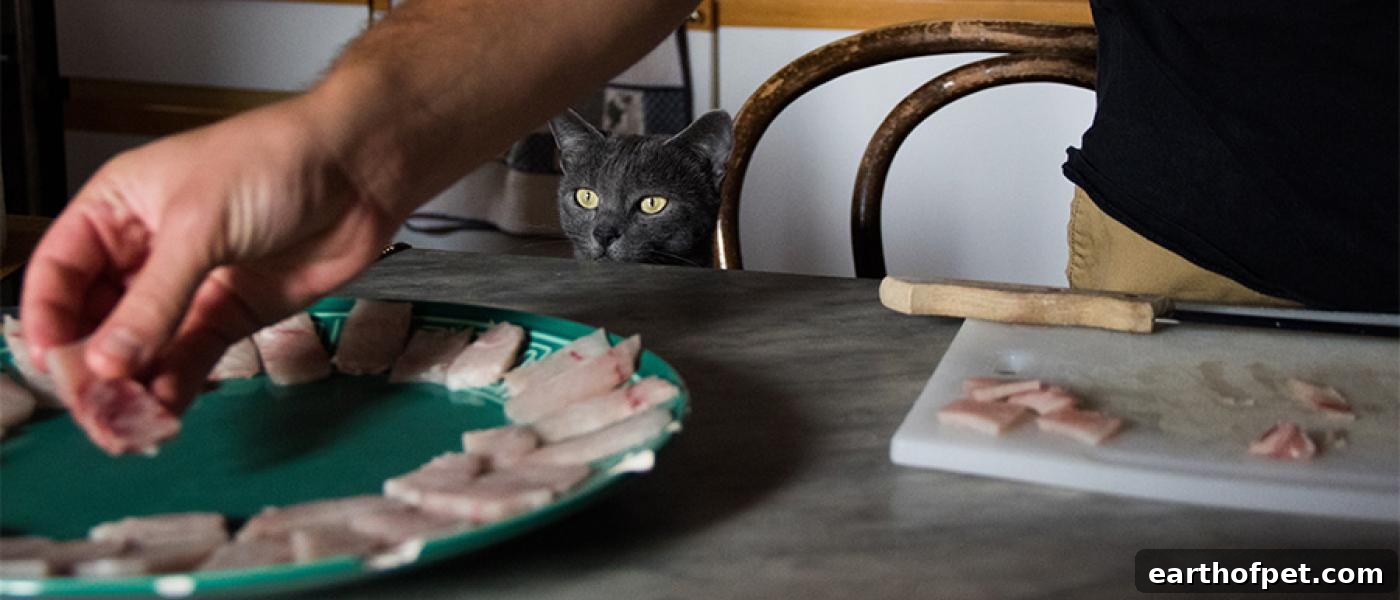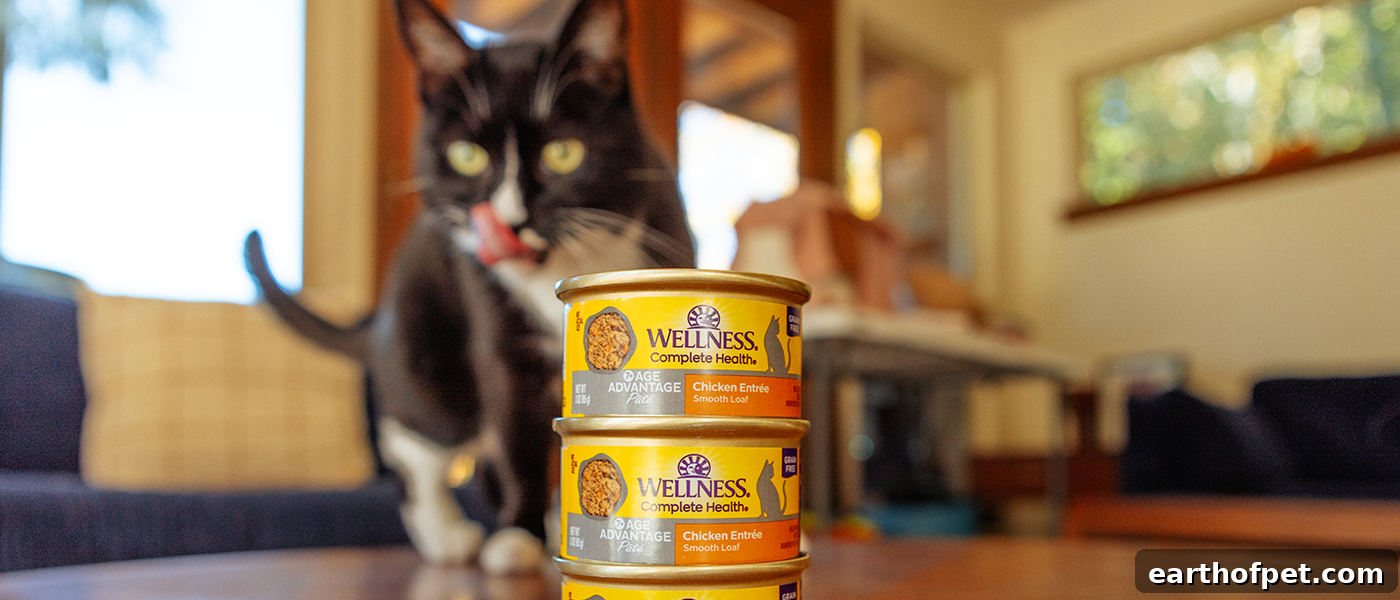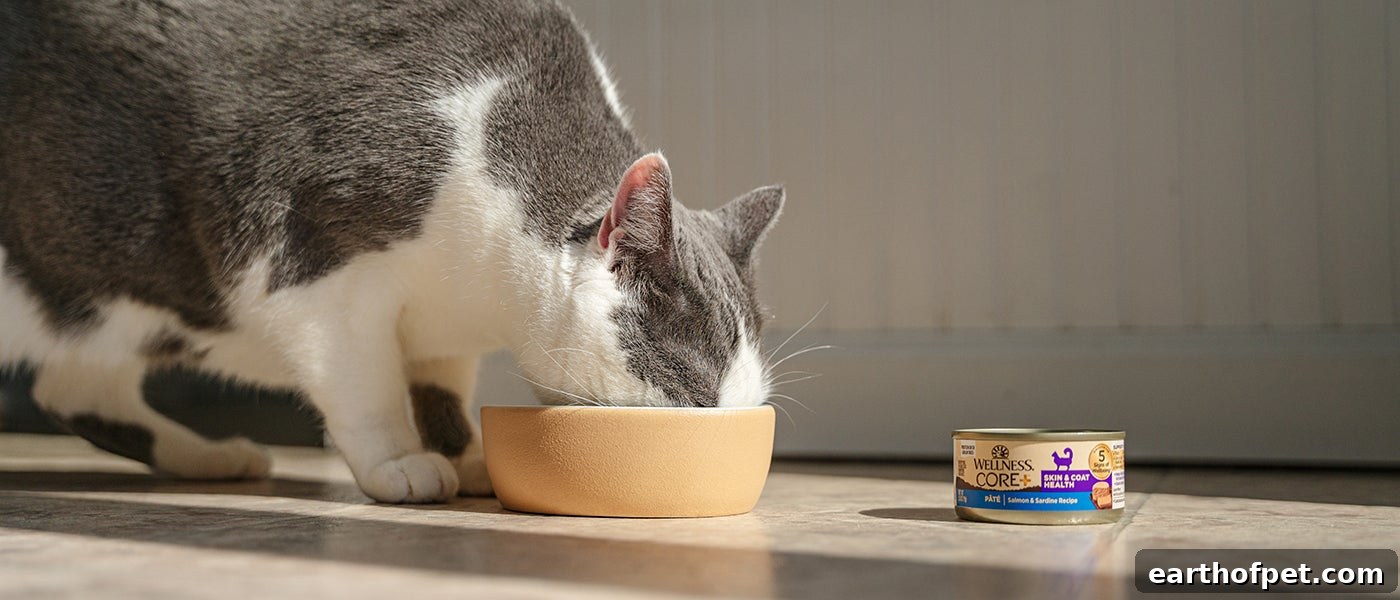
When caring for a cat, choosing the right nutrition is essential. For cats with medical or dietary sensitivities—whether digestive issues, diabetes, kidney disease, or urinary concerns—wet cat food can provide important benefits. This article explains why wet food is often the preferred option for cats with special health needs and outlines the best choices by condition so you can make informed feeding decisions.
Wet cat food delivers higher moisture, softer texture, and often simplified ingredient lists, all of which make it a strong option for cats requiring tailored nutrition. Below we review specific situations where wet food can help, including recommendations for sensitive stomachs, hairball control, weight management, diabetes, kidney disease, digestive upset, urinary health, and food allergies.
Why Is Wet Food Good for Cats?
Cats naturally have a low thirst drive and may not drink enough water on their own. Wet cat food helps increase daily fluid intake, supporting proper hydration and reducing strain on the kidneys and urinary tract. Many wet diets are also higher in animal-based protein and lower in carbohydrates than dry kibble, and they can contain fewer ingredients—features that benefit cats with specific dietary needs or sensitivities. The texture and moisture of wet food also make it easier to chew and swallow, which helps cats with dental challenges or reduced appetite.
Wet Cat Food for Sensitive Stomachs
Cats with sensitive stomachs often benefit from gentle, limited-ingredient wet recipes. The softness and higher water content make digestion easier and can reduce vomiting and loose stools associated with intolerances. Look for wet diets formulated for digestive support and, when available, recipes with probiotics or carefully selected protein sources. Examples include digestive health pates that emphasize easily digestible proteins and steady fiber levels to support routine digestion.
Hairball Control Cat Food
Frequent grooming and heavy shedding increase the chance of hairballs. Specialized hairball-control wet foods combine higher moisture with a balance of fiber to help hair move through the digestive tract more easily and reduce the incidence of hairball-related vomiting and blockages. Choosing a wet hairball formula can be particularly helpful for long-haired breeds or cats that groom obsessively.
Wet Cat Food for Weight Loss and Management
Overweight cats are at higher risk for diabetes, joint discomfort, and other health problems. Wet cat food can be useful for weight management because it tends to be lower in calories per serving and higher in moisture, helping cats feel full with fewer calories. High-protein wet formulas also help preserve lean muscle while encouraging fat loss. For sustainable weight management, combine portion control, regular feeding schedules, and appropriate exercise with a vet-approved feeding plan.
Wet Cat Food for Diabetic Cats
For cats with diabetes, diets lower in carbohydrates and higher in protein typically help support more stable blood glucose levels. Many wet foods intended for diabetic cats emphasize high-quality protein and moderate calorie levels to help maintain body condition and support metabolic health. If your cat is diabetic, discuss dietary choices with your veterinarian to align feeding with insulin therapy and monitoring.
Wet Cat Food for Kidney Disease
Kidney disease is common in older cats and often requires modified nutrition. Wet renal-support diets typically reduce phosphorus and adjust protein levels to minimize kidney workload while maintaining adequate nutrition. The increased moisture in wet food is also beneficial for hydration, which helps kidney function and reduces the risk of urinary problems. Always work with your veterinarian to select and monitor a kidney-support diet tailored to your cat’s stage of disease.
Wet Cat Food for Constipation and Diarrhea
Diet plays a major role in treating both constipation and diarrhea. For constipation, wet foods that provide extra moisture and a moderate amount of soluble and insoluble fiber can encourage regular bowel movements. For diarrhea, look for gentle, highly digestible wet diets that stabilize the gut—often containing probiotics or prebiotics to support healthy intestinal flora. Introduce dietary changes gradually and consult your vet if gastrointestinal signs persist.
Wet Cat Food for Urinary Health
Maintaining urinary tract health is critical, particularly for male cats who are more prone to blockages. Wet cat food supports urinary health primarily through increased hydration, which dilutes urine and helps prevent crystal formation. Urinary-support wet diets are formulated to encourage a urinary pH and mineral balance that reduces the risk of common urinary issues. If your cat has a history of urinary problems, your veterinarian can recommend an appropriate wet formula.
Hypoallergenic Wet Cat Food
Food allergies or intolerances require careful ingredient control. Hypoallergenic or limited-ingredient wet diets reduce exposure to common triggers by offering a single protein source or novel protein and minimal additives. These diets can simplify the process of identifying and managing food sensitivities and are often used in food trials under veterinary guidance.
Conclusion: Choosing the Right Wet Food for Your Cat
Selecting the best wet food for a cat with specific health needs depends on the individual condition, the cat’s life stage, and veterinary guidance. Whether addressing sensitive stomachs, weight management, diabetes, kidney disease, gastrointestinal upset, urinary health, or food allergies, there are wet formulas designed to support each concern. Introduce new foods gradually, monitor your cat’s response, and maintain regular veterinary checkups to ensure the diet meets changing needs.
Always consult your veterinarian before making significant changes to your cat’s diet, especially when managing a chronic condition. Your vet can review the full nutrient profile of any formula you’re considering and help you choose a plan that supports long-term health and quality of life. With thoughtful choices and professional guidance, wet cat food can be a simple, effective tool to improve hydration, digestion, and overall well-being for cats with special dietary needs.