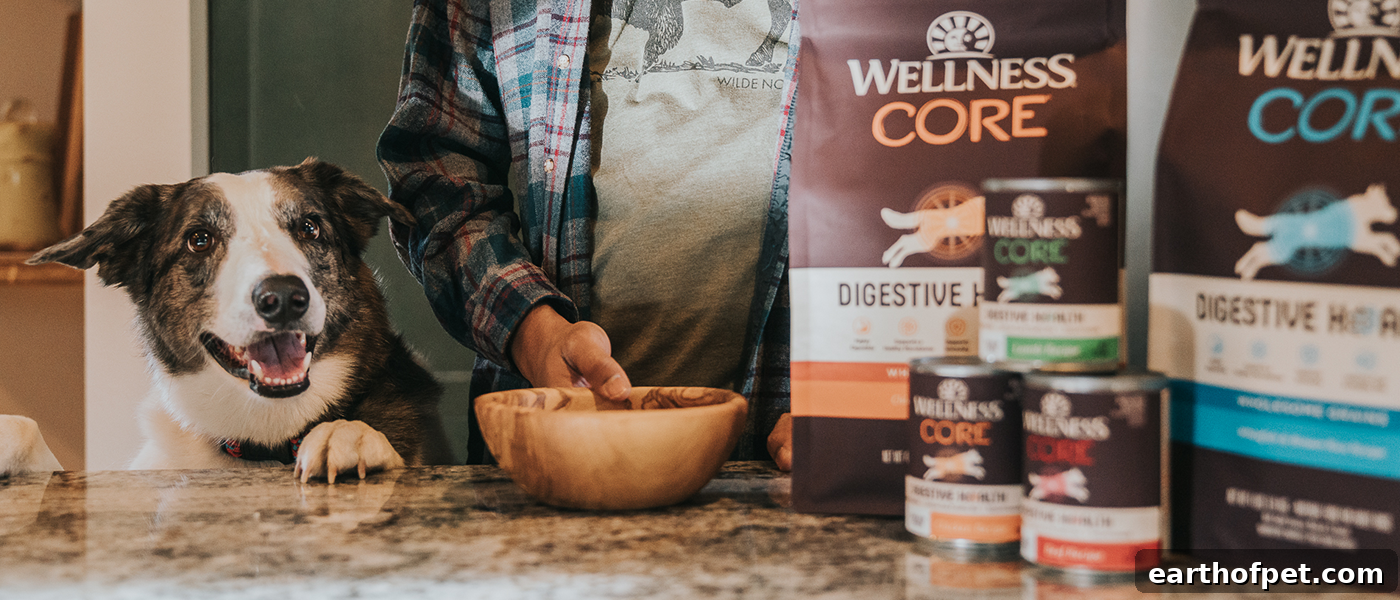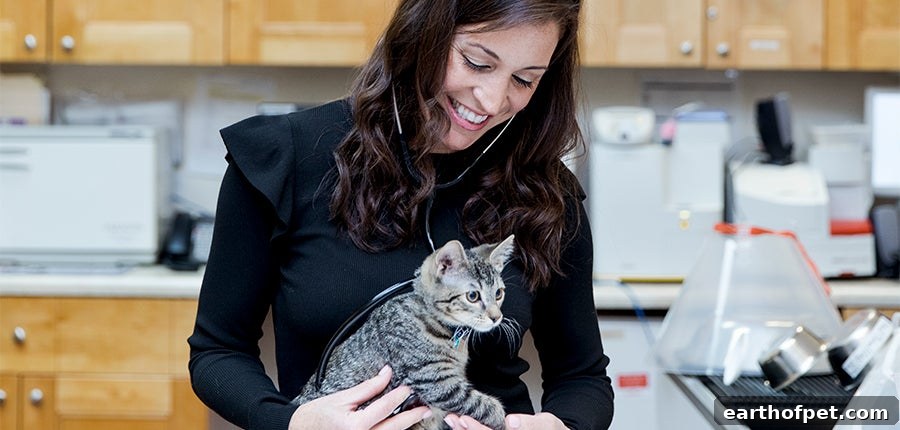
You brush your dog every day, take them on regular walks, and feed them once or twice daily, but one important area of their health is often overlooked: their teeth. Dental care is a vital part of your dog’s overall wellbeing. Healthy teeth and gums make it easier for your dog to eat, stay comfortable, and avoid serious health issues that can arise when oral disease is left untreated.
If you’re unsure how to begin or it’s been a while since you checked their mouth, this clear, practical guide explains how to care for your puppy’s or adult dog’s teeth: how to examine their mouth, what tools to use, how to brush safely, and when to seek professional cleaning.
EXAMINE THEIR MOUTH
Start by gently lifting your dog’s lips and looking at the teeth and gums. Notice any brown or black tartar, a sticky film, swollen or red gums, loose teeth, or persistent bad breath. These are common signs of plaque and gingivitis. Untreated dental disease can progress and affect the jaw and even contribute to problems in organs such as the heart, kidneys, and liver. Early detection lets you take action before more serious issues develop.
USE THE RIGHT TOOLS
Use products made for pets: dog toothbrushes (finger brushes or long handles designed for canines) and enzymatic pet toothpaste in flavors dogs tolerate, such as poultry or beef. Never use human toothpaste, which can upset a dog’s stomach if swallowed. Have treats or a favorite toy ready to make the experience rewarding. Introduce the tools slowly so your dog becomes comfortable; let them sniff the brush and taste the toothpaste first while you remain calm and reassuring.
START BRUSHING
Once your dog is relaxed, apply a small amount of pet toothpaste to the brush and gently lift the lips. Focus on the outer surfaces of the teeth—the areas where plaque most commonly accumulates—and spend extra time on the back teeth and molars. Use slow, circular motions rather than aggressive scrubbing. Many dogs resist cleaning the inner surfaces; it’s acceptable to prioritize the outer surfaces at home and leave deeper cleaning to your veterinarian during a professional session.
REWARD YOUR DOG
Finish each session with praise, cuddles, a short playtime, or a small treat. Positive reinforcement helps your dog associate dental care with pleasant outcomes, making future brushing sessions easier. Consistency matters: even short, gentle brushing sessions several times a week are beneficial, and daily brushing is ideal when possible.
GIVE YOUR DOG A TREAT THAT CLEANS THEIR TEETH
Dental chews and specially designed treats can complement brushing. When used daily alongside a brushing routine, these products can help reach crevices and reduce plaque buildup in areas you might miss. Choose vet-approved dental chews appropriate for your dog’s size and health, and factor them into your pet’s daily calorie intake so they don’t contribute to weight gain. These chews can also help control bad breath while keeping your dog engaged.
SCHEDULE A DENTAL CLEANING
Professional dental cleanings by your veterinarian are an important part of comprehensive oral care. Depending on your dog’s oral health, a cleaning every six months to a year is commonly recommended. Dogs with excellent home care may go longer, but routine veterinary exams will determine the right schedule for your pet. A professional cleaning includes scaling, polishing, and a thorough assessment of oral health so your vet can identify and treat any developing problems early. Ask your veterinarian about the expected costs and what the procedure will involve for your dog.
Signs that a vet visit is needed sooner include persistent bad breath, difficulty eating, drooling, pawing at the mouth, swollen or bleeding gums, loose or missing teeth, or sudden changes in behavior that could indicate pain. Don’t delay if you notice any of these symptoms.
Daily attention to your dog’s mouth—regular checks, appropriate tools, gentle brushing, and supportive dental chews—reduces plaque and gum disease, lowers the need for emergency dental visits, and helps prevent conditions that may affect the rest of the body. With consistent care and regular veterinary oversight, you’ll help your dog maintain a healthier mouth and a better quality of life.