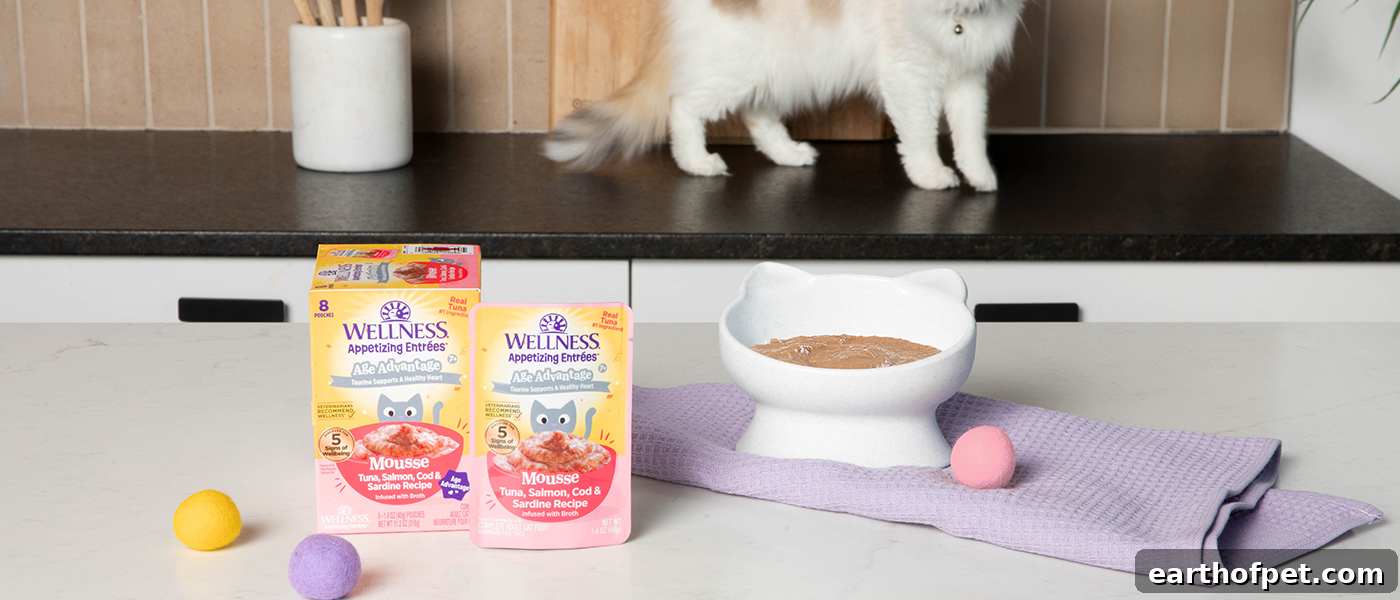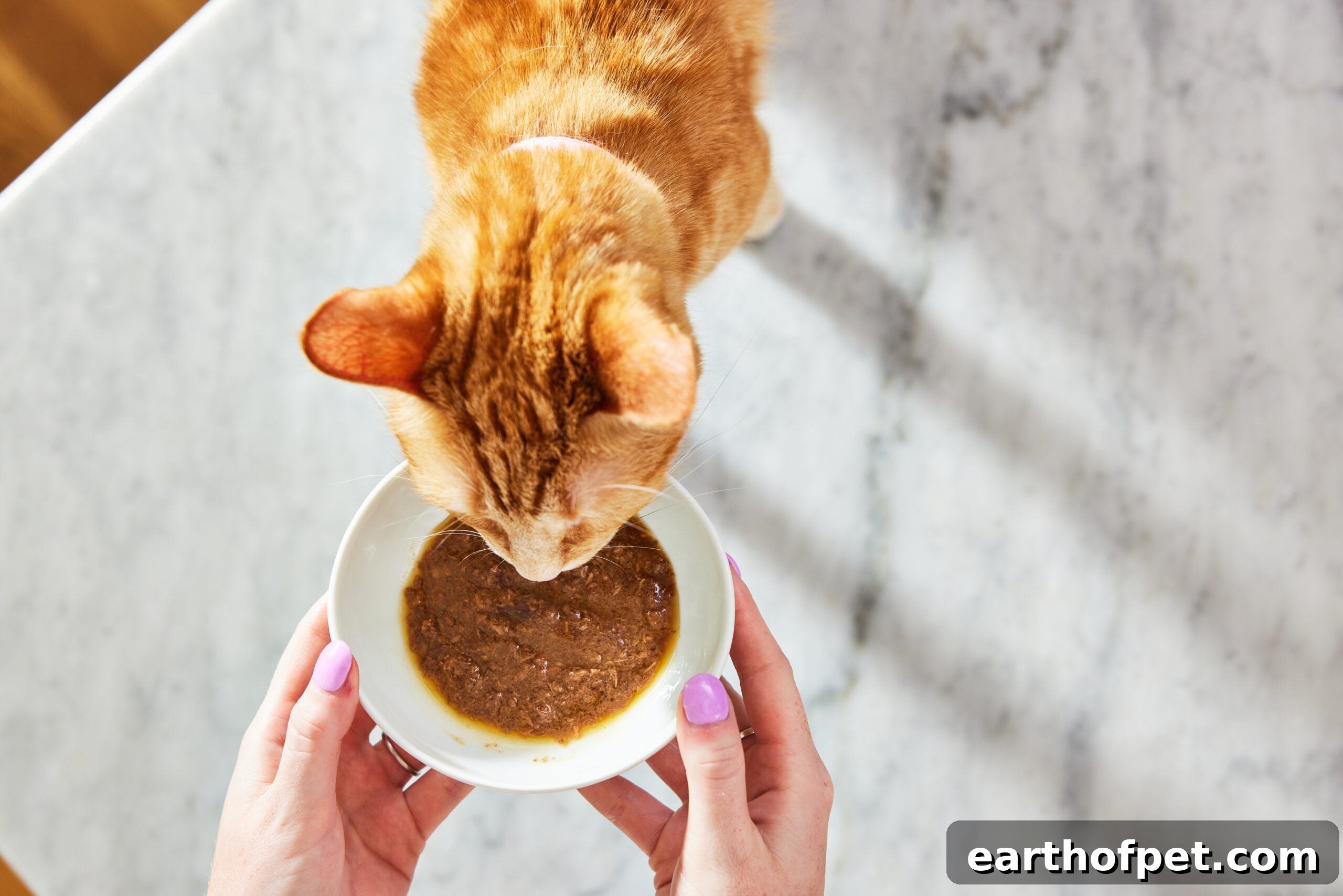
When it comes to keeping your cat healthy, energetic, and content, choosing the right food is essential. Wet cat food stands out for its hydration benefits, appetizing textures, and nutrient-dense recipes. Whether you have a playful kitten, an active adult, or a gentle senior, the right wet food can support each life stage and help your cat thrive.
This guide explains how to select the best wet cat food for kittens, adults, and seniors. You’ll learn what to look for in high-quality formulas, why wet food can be a smart choice, and practical tips to match food selection to your cat’s age, lifestyle, and specific needs.
Why Wet Food Is a Great Option for Your Cat
Wet food is an excellent option for many cats because it delivers moisture-rich nutrition, which helps support kidney and urinary tract health—areas sensitive to dehydration. Cats are not always eager to drink plain water, so incorporating wet food into their diet helps maintain proper hydration.
Beyond hydration, wet food often offers more enticing aromas and textures than dry kibble, which can be especially useful for picky eaters or cats with reduced appetite. High-quality wet diets are also concentrated sources of animal-based protein and healthy fats, supplying essential amino acids and energy for growth, maintenance, and overall wellbeing.
Wet Cat Food and Life Stages
Cats have different nutritional needs at each life stage. Kitten formulas prioritize growth and brain development, adult recipes maintain muscle and metabolic health, and senior diets address joint support, digestion, and organ function. Choosing formulations tailored to these stages ensures your cat receives the right balance of calories, protein, fat, and functional nutrients.
Best Wet Food for Kittens: Fueling Growth and Development
During the kitten development stages, nutrition directly influences healthy growth, immune development, and cognitive function. Look for wet foods labeled for kittens—these typically contain higher protein and calorie levels to meet the demands of rapid growth.
Key nutrients to prioritize in kitten wet food include: high-quality animal protein, healthy fats, and DHA (an omega-3 fatty acid important for brain and vision development). Formulas designed for kittens also support bone and muscle formation and include vitamins and minerals that promote immune health.
If your kitten has food sensitivities, grain-free options can be helpful, but always choose balanced, well-formulated recipes rather than eliminating ingredient groups without guidance. Many complete kitten wet foods deliver the nutrient density a growing cat needs while avoiding artificial colors, flavors, and preservatives.
Best Wet Food for Adult Cats: Maintaining Health and Vitality
Adult cats need diets that maintain lean muscle, support a healthy weight, and provide sustained energy. The best wet food for adult cats emphasizes animal-based protein as the primary ingredient, with moderate fat and limited carbohydrates.
Indoor cats often require lower-calorie recipes with added fiber to promote digestion and prevent weight gain, while more active outdoor or high-energy cats may benefit from higher-protein formulas. Consider your cat’s lifestyle and activity level when selecting an adult wet food.
Texture and variety—such as pâté, shredded, or flaked options—can keep mealtimes interesting and encourage consistent eating habits. Choosing a reputable brand that uses transparent ingredient lists and whole-food protein sources helps ensure complete, balanced nutrition.
Best Wet Food for Senior Cats: Supporting Aging Bodies
Seniors have distinct needs: they often require fewer calories but higher-quality protein to preserve muscle mass, along with ingredients that support joint health and organ function. Wet senior cat food is generally more digestible and easier to eat, which is beneficial for cats with dental issues or reduced appetite.
Look for senior formulas that include joint-supporting nutrients like glucosamine and chondroitin, omega-3 fatty acids for skin and coat health, and options that address kidney support and gentle digestion. Pâté textures are frequently preferred by older cats for their smooth consistency and ease of chewing.
Tips for Choosing the Best Wet Food for Your Cat
Follow these practical tips when selecting wet food:
- Prioritize high-quality animal protein: Ingredients such as chicken, turkey, or fish should appear first on the label.
- Avoid unnecessary fillers: Minimize reliance on corn, soy, or low-quality by-products in favor of whole-food ingredients.
- Match the formula to life stage and lifestyle: Kittens need growth-focused nutrition, adults need maintenance and weight control, and seniors need easier-to-digest, joint-supportive recipes.
- Consider sensitivities: Grain-free or limited-ingredient wet foods may suit cats with food sensitivities, but introduce changes gradually and monitor tolerance.
- Consult your veterinarian: Your vet can recommend the best formulas for health conditions like kidney disease, diabetes, or food allergies.
Nutrition That Supports Cats at Every Stage
Cats are obligate carnivores and rely on meat-based proteins for essential amino acids and nutrients. A well-formulated wet diet supplies the protein, fats, vitamins, and minerals cats need for healthy skin and coat, strong muscles, and organ health. Ingredients that support digestive balance—such as prebiotics, probiotics, and dietary fiber—also benefit immune function and overall wellness across all ages.
Lower carbohydrate content in many wet formulas makes room for more meat-based nutrition, which aligns better with feline metabolism and often results in firmer stools and improved digestion. Choosing complete and balanced wet diets tailored to your cat’s life stage will help maintain energy, body condition, and long-term health.
Food for Thought
Selecting the best wet food for your cat doesn’t have to be complicated. Focus on high-quality, life-stage-appropriate formulas that emphasize animal protein, proper fats, and essential nutrients. Consider your cat’s activity level, dental health, and any sensitivities, and consult your veterinarian if you have questions about specific health needs.
With thoughtful food choices and attention to your cat’s preferences and condition, you can support a long, healthy, and happy life for your feline companion. Happy feeding—and here’s to many purr-filled years ahead!