Cats age with quiet dignity. One day they’re springing onto counters; the next, they choose gentler landings, move more slowly, and take longer naps.
Aging is a natural part of life, but the way we support our cats through it matters. As cats enter their senior years, their bodies undergo measurable changes: metabolism slows, muscle mass decreases, joints experience wear, and cognitive processing can decline. These shifts call for a more intentional approach to senior cat nutrition.
Understanding the Needs of Aging Cats
Veterinary studies and clinical experience show that older cats commonly face both musculoskeletal and neurological changes. Common health concerns include:
- Degenerative joint changes that limit mobility
- Loss of lean muscle mass
- Cognitive decline linked to brain aging
- Dental disease that alters eating behavior
- Reduced digestive efficiency
Pet owners may observe subtle signs such as hesitation before jumping, decreased play, altered appetite or food preferences, and increased sleep or changed daily rhythms. These are not simply “slowing down”; they indicate evolving nutritional needs that benefit from targeted dietary support.
Why Nutrition Matters in the Senior Years
As a cat ages, tissue maintenance and repair become less efficient. That makes nutrient density and bioavailability essential. Thoughtful senior cat nutrition focuses on:
- Supporting joint structure and mobility
- Preserving cognitive function
- Maintaining lean muscle mass
- Promoting digestive health and nutrient absorption
- Reducing chronic inflammation
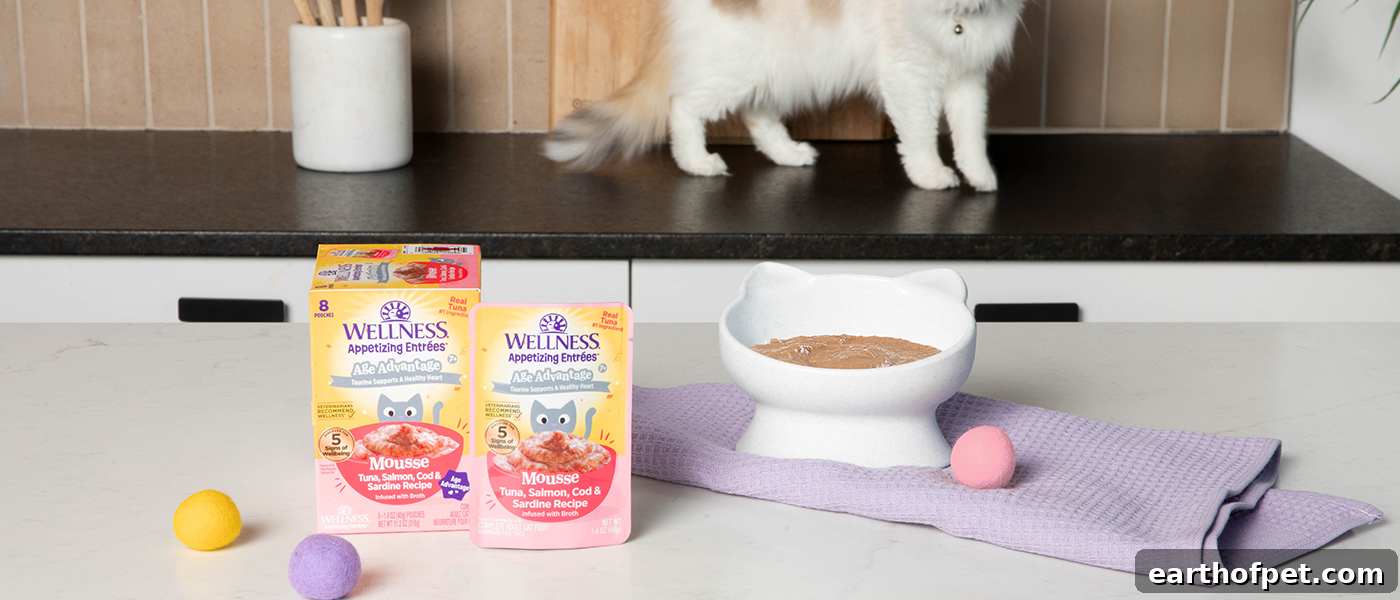
Many veterinarians recommend wet food for older cats, especially when dental health or appetite is compromised. Wet food supports hydration, is often more palatable, and can be easier to chew—features that help maintain consistent intake and overall wellbeing.
The Role of Omega‑3 Fatty Acids
Omega‑3 fatty acids—commonly found in fish oil and salmon oil—are among the most researched nutrients for senior cats. The key long-chain omega‑3s, EPA and DHA, support both brain and joint health.
Cognitive Function and Brain Health
DHA is a structural component of brain tissue. In aging cats, adequate DHA may help support memory, learning, and responsiveness—factors that contribute to quality of life as cognitive changes appear.
Joint Health and Mobility
EPA helps support a balanced inflammatory response, which can reduce stiffness and improve comfort during movement. Including omega‑3s in a senior cat diet is a practical way to support ongoing mobility.
Anti‑Inflammatory Benefits
Omega‑3s are a core element of an anti‑inflammatory approach to senior cat nutrition. While supplements can be useful, providing these nutrients through complete, balanced wet food ensures consistent intake and proper formulation.
Joint Support: Food-First Strategies
Effective joint care for senior cats extends beyond individual supplements. Nutrients that contribute to joint health include glucosamine, chondroitin, and omega‑3 fatty acids. When these are included in a balanced diet, they support cartilage integrity, joint lubrication, and mobility maintenance.
A food-first approach simplifies feeding routines and helps ensure proper dosing within a complete nutritional framework—reducing the need to manage multiple separate supplements.
Why Wet Food Is a Smart Choice for Older Cats
Wet food offers practical advantages for senior cats beyond texture. Choosing the best wet food for senior cats can:
- Increase intake in cats with reduced appetite
- Support hydration for kidney and urinary health
- Reduce strain on sensitive teeth and gums
- Boost aroma and palatability to encourage regular eating
Soft, moisture-rich formulas are often recommended as a primary feeding format for older cats because they address multiple age-related challenges at once.
Nutritional Design That Supports Aging Cats
Optimal senior cat recipes combine quality ingredients with purposeful formulation. Key elements include:
Functional Lipids
Dietary sources of EPA and DHA to support brain and joint health.
High‑Quality Protein
Highly digestible animal-based proteins help preserve lean muscle mass, support metabolism, and contribute to mobility and longevity.
Balanced Micronutrients
Vitamins and minerals that sustain immune function, organ health, and overall metabolic balance.
Integrated Support
A complete, balanced formulation that reduces reliance on multiple separate supplements while delivering the nutrients older cats need.
Helping Cats with Dental Sensitivity
Dental disease is common in senior cats and can limit their ability to chew, causing reduced intake, weight loss, and nutritional gaps. Soft wet food helps by providing:
- Easy-to-consume textures
- Moisture-rich recipes to aid swallowing
- Enhanced aroma and palatability to stimulate appetite
These qualities can improve meal consistency and overall nutrient intake for cats with dental discomfort.
When to Transition to a Senior Diet
Nutritional needs change gradually. Many cats begin to benefit from a senior cat diet between roughly seven and ten years of age. Transitioning at the appropriate time allows proactive support of age-related changes rather than reacting later.
Fish-Based Ingredients in Senior Diets
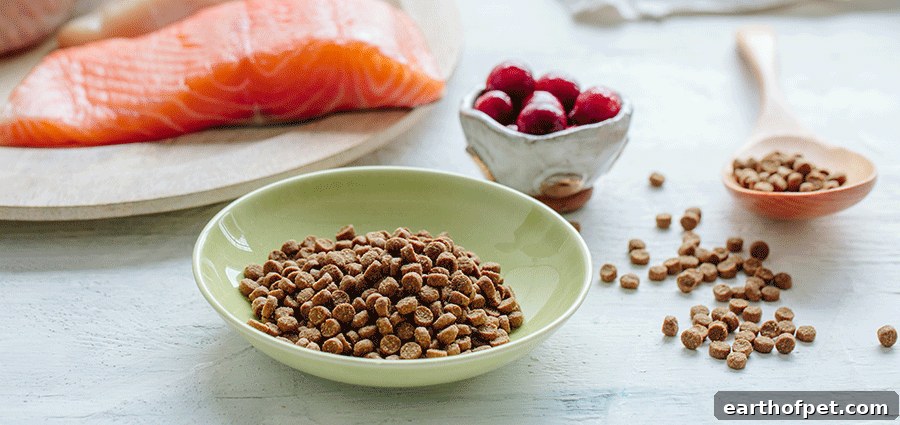
Fish-derived ingredients deliver naturally occurring omega‑3 fatty acids and highly digestible protein, supporting skin and coat condition as well as joint and brain health. Including fish or fish oils in senior cat recipes can be a valuable part of a well-rounded nutritional plan.
Signs It’s Time to Reevaluate Nutrition
Every cat ages differently, but watch for these indicators that diet may need adjustment:
- Changes in mobility or posture
- Reduced interest in food
- Difficulty chewing or swallowing
- Behavioral shifts that suggest cognitive decline
Targeted nutritional changes often help address these issues and improve daily quality of life.
A Thoughtful, Practical Approach to Senior Cat Care
Caring for an older cat doesn’t require complexity—it requires intention. Focus on nutrient-dense, functional foods; formats that ease eating; ingredients that support joints and cognitive health; and consistent monitoring of behavior and appetite. A food-first strategy that includes omega‑3s, high‑quality protein, and supportive micronutrients helps streamline care while delivering measurable benefits.
Final Thoughts
You can support your aging cat with compassion and precision. The right senior cat nutrition helps preserve mobility, maintain mental engagement, and enhance daily enjoyment. From the benefits of omega‑3 fatty acids to the practical advantages of soft, nutrient-rich meals, thoughtful dietary choices make a meaningful difference as your cat’s needs evolve.