Sensitive Stomachs in Cats
Not all cat foods are made the same. If your cat has a sensitive stomach, choosing the right diet can make a major difference in comfort and long-term digestive health. Low-quality ingredients, fillers, or sudden diet changes can trigger vomiting, diarrhea, or other digestive upsets. Understanding the common signs and what to look for on a food label will help you support your cat’s digestive system and overall wellbeing.
Symptoms
Occasional hairball coughing is normal, but frequent vomiting, regurgitation of undigested food, or persistent diarrhea may indicate a sensitive stomach or a more serious medical issue. Watch for these common symptoms:
- Frequent vomiting or regurgitation
- Diarrhea or constipation
- Noticeable changes in stool consistency, color, or odor
- Increased thirst or changes in urination
- Unexplained weight loss or decreased appetite
- Dull, thinning, or otherwise changed coat condition
- Recurring skin irritations or allergic-type reactions
Symptoms may be acute—appearing suddenly after a dietary change, infection, stress, or intestinal upset—or chronic, developing slowly over time and often linked to food sensitivities or underlying allergies. Because signs can overlap with other conditions, it’s important to rule out medical causes before assuming the problem is purely dietary.
When to See a Veterinarian
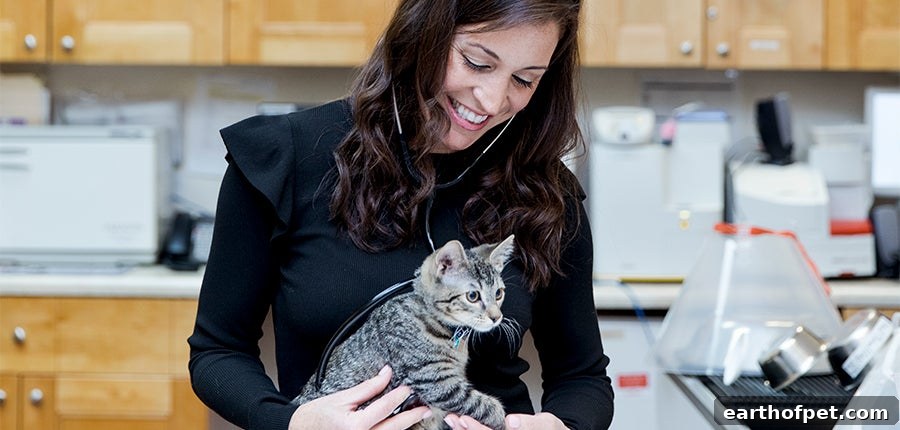
If digestive symptoms persist for more than a day or two, are severe, or are accompanied by lethargy, fever, blood in the stool, or rapid weight loss, contact your veterinarian promptly. A vet can perform diagnostic tests to exclude infections, parasites, organ disease, or other medical conditions and can recommend an appropriate treatment plan. If a food-related cause is suspected, your veterinarian can guide you through a supervised diet change or an elimination trial to identify triggers safely.
What to Look for in Cat Food for Sensitive Stomachs
When selecting a cat food designed for sensitive digestion, prioritize clarity and quality of ingredients. Look for products that emphasize digestibility, gentle fiber sources, and supportive nutrients. Key features to consider include:
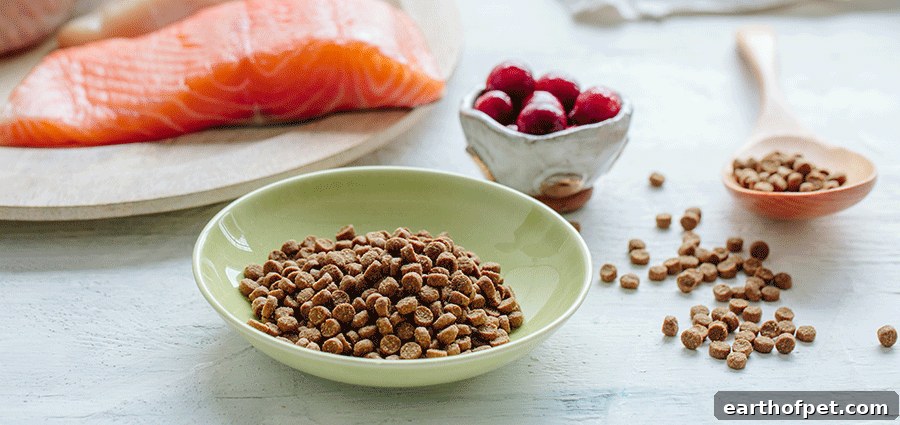
- High-quality animal protein from a single, named source to reduce potential allergens
- Digestible carbohydrate sources and limited fillers
- Healthy fats and omega fatty acids for skin and coat health
- Added prebiotics or probiotics to support a balanced gut microbiome
- Natural, wholesome ingredients without artificial colors, flavors, or by-products
- Formulations that are nutritionally complete and balanced for your cat’s life stage
Many cats with sensitive stomachs do better on limited-ingredient or novel-protein diets (such as turkey, duck, or lamb) that remove common triggers. However, individual tolerance varies, so work with your veterinarian to choose the best option for your cat.
Wet Food and Digestive Health
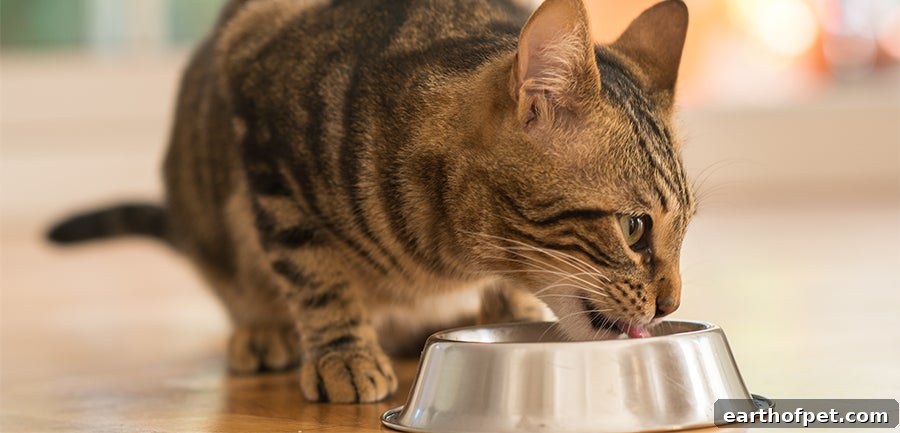
Wet food is often recommended for cats with sensitive stomachs. Its higher moisture content can ease digestion and help maintain hydration, which supports recovery from diarrhea or constipation. Pate-style wet foods made with easily digested proteins and gentle, soothing ingredients like pumpkin or papaya can be particularly beneficial. Wet food may also be more palatable for cats that are hesitant to try new diets.
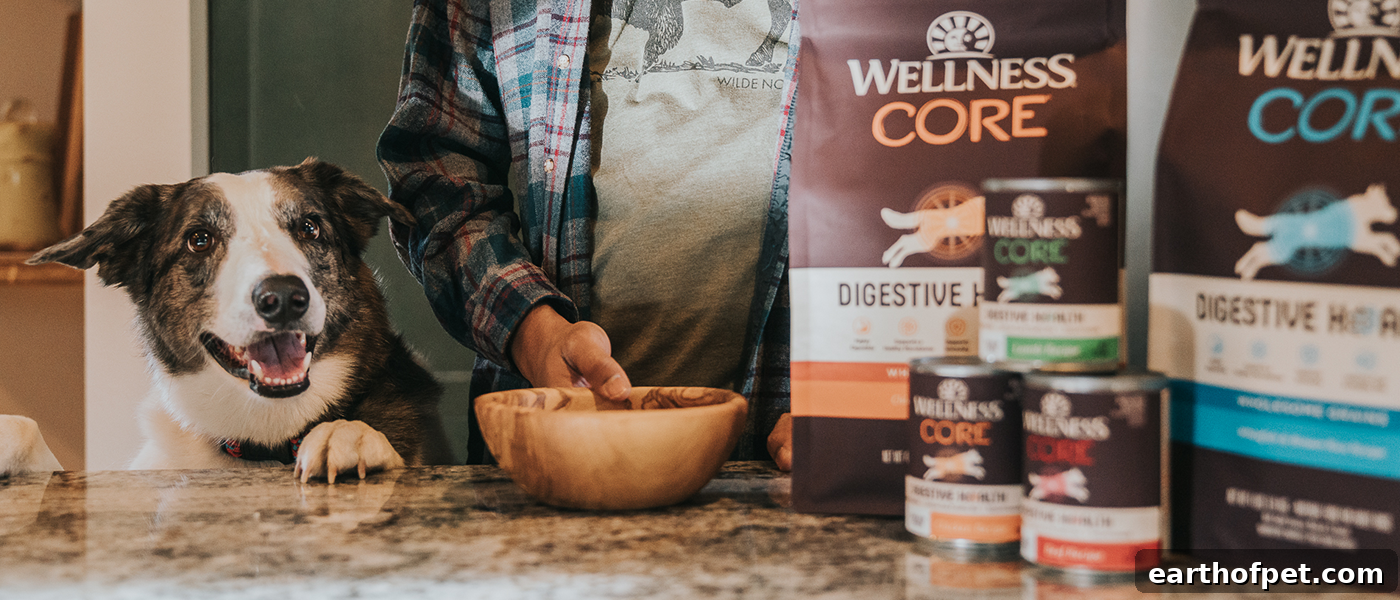
Brands that focus on digestive health may offer options with added prebiotic fiber and digestive support ingredients. If you prefer simpler ingredient lists, look for products labeled as limited-ingredient or “simply” formulas, which often contain four ingredients or fewer and exclude grains and fillers. Once you find a food that suits your cat, it’s generally best to stick with it to avoid triggering new sensitivities.
Practical Feeding Tips
- Introduce any new food gradually, mixing increasing amounts of the new diet with the old to reduce the chance of upset.
- Feed consistent portion sizes and maintain a regular feeding schedule to support digestive stability.
- Monitor your cat’s stool, appetite, coat condition, and behavior after diet changes and report concerns to your veterinarian.
- Consider trying single-protein or novel-protein diets under veterinary supervision if food allergies are suspected.
- Maintain access to fresh water, and consider wet food to boost hydration.
Choosing Long-Term Support
Managing a cat with a sensitive stomach often involves a combination of high-quality nutrition, veterinary guidance, and careful observation. Look for foods formulated specifically for digestive health, and consult your veterinarian before making significant diet changes. With the right approach, many cats experience fewer digestive episodes, improved comfort, and better overall health.
* Based on Studies of Wellness Cat at an Independent Kennel. Data on File.