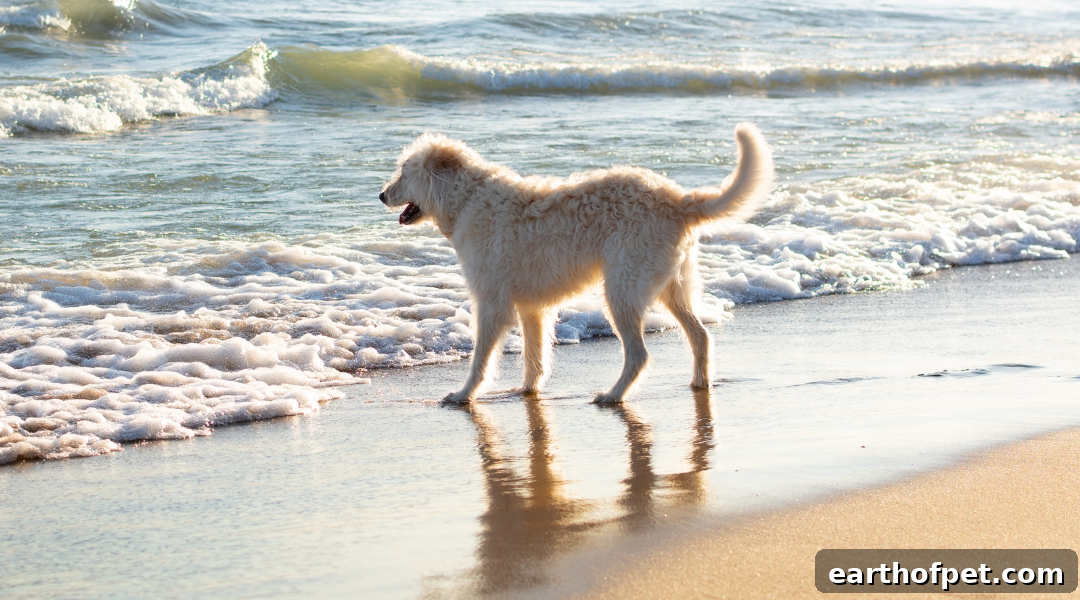
Summer offers a wonderful chance to spend more time outdoors with your dog—hikes, swims, and lazy afternoons in the park are all part of the season. But warm weather also brings extra risks that require attentive care. Below are practical, easy-to-follow tips to help keep your dog safe, comfortable, and healthy throughout the summer months.
1. Avoid Overheating
Dogs can overheat quickly, and heat exhaustion or heatstroke can develop rapidly if not treated. Short-nosed (brachycephalic) breeds like Bulldogs and Pugs are especially vulnerable because they have more difficulty cooling themselves. To reduce the risk of overheating:
- Avoid vigorous exercise during the hottest parts of the day—opt for early morning or evening walks.
- Provide ample shade and cool resting spots at home and on outings.
- Offer cooling options such as shaded water bowls, damp towels, or cooling mats.
Watch for warning signs such as excessive panting, drooling, bright red gums, vomiting, disorientation, or collapse. If you suspect heatstroke, move your dog to a cool area, offer small amounts of cool (not ice-cold) water, and seek veterinary care immediately.
2. Hydration Is Essential
Proper hydration is one of the most important defenses against heat-related illness. Make sure fresh, clean water is always available, and carry extra water and a portable bowl when you’re away from home. Signs of dehydration include dry or sticky gums, decreased skin elasticity, excessive panting, and lethargy. If your dog shows these signs, stop activity, move them to a shaded area, and encourage small sips of water. For long outings, offer water regularly to prevent dehydration before it becomes serious.
Tip: Read our case study on Heat Stroke.
3. Protect Those Paws
Hot pavement, asphalt, and sand can burn paw pads. A simple test is to hold the back of your hand on the surface for seven seconds—if it’s too hot for you, it’s too hot for your dog. Schedule walks for cooler times of day, stick to grassy areas when possible, and consider protective booties for long walks or hikes on hot surfaces. Regularly check paw pads for redness, blisters, or cracking, and treat any injuries promptly.
4. Grooming and Coat Care
Regular grooming keeps your dog’s coat healthy and can improve comfort in warm weather. Brushing removes loose hair and helps prevent mats that trap heat. While it may seem logical to shave a dog in summer, many breeds’ coats provide natural protection against sun and heat; consult your veterinarian or a professional groomer before shaving. Instead, focus on thinning heavy undercoats where appropriate and maintaining a clean, well-brushed coat.
5. Prevent Parasites
Warm months increase the activity of fleas, ticks, and mosquitoes—parasites that can transmit disease. Use a veterinarian-recommended flea and tick preventative and check your dog frequently after outdoor activities, especially in wooded or grassy areas. Remove ticks promptly and monitor for signs of illness after bites. Keep yards maintained, remove standing water to discourage mosquitoes, and consult your vet about the best preventative strategy for your pet.
6. Be Mindful of Water Safety
Swimming can be great exercise and cooling relief, but not all dogs are natural swimmers. Supervise dogs around pools, lakes, and oceans, and consider a properly fitted dog life jacket for boating or deep water activities. After swimming, rinse off chlorine or salt to prevent skin and coat irritation, and dry ears thoroughly to reduce the risk of infections.
7. Adjust Diet and Activity
Appetite and energy levels can change with the heat. Some dogs eat less in warm weather while others burn more calories during active summer outings. Maintain a balanced diet appropriate to your dog’s age, size, and activity level, and avoid giving human foods that are toxic to dogs, such as grapes, onions, and chocolate. Monitor body condition and consult your veterinarian if you’re unsure about portion sizes or nutritional adjustments.
Monitor Health Proactively with PetPace
Keeping a close eye on your dog’s health is especially important in summer. PetPace smart collars provide continuous monitoring of vital signs—temperature, activity, pulse, and respiration—so you can spot early changes in your dog’s condition. Real-time alerts can notify you of elevated temperatures or unusual activity patterns, helping you respond quickly to potential problems.
Benefits of Using a Smart Collar
- Continuous Monitoring: Track trends in vital signs to detect issues early.
- Activity Insights: Understand when your dog needs more or less exercise based on heat and behavior.
- Timely Alerts: Receive notifications that help you act before a minor issue becomes an emergency.
Using technology alongside good daily care gives you greater confidence that your dog is safe and comfortable all season long.
Conclusion
Summer with your dog should be enjoyable and safe. By preventing overheating, ensuring hydration, protecting paws, maintaining proper grooming, preventing parasites, practicing water safety, and adjusting diet and activity as needed, you can reduce seasonal risks. Tools like PetPace can complement your care by providing continuous health insights and timely alerts. With thoughtful preparation and attentive care, you and your dog can make the most of the season together.
Consider monitoring solutions like the PetPace smart collar to stay informed about your dog’s health and enjoy summer confidently.