Favorite Cat Food
Preparing and serving your cat’s favorite food is one of the simplest and most rewarding ways to bond. Watching a contented cat eat brings satisfaction to both of you, and a few practical changes to feeding routines and environments can make mealtimes even better. Below are practical tips to improve your cat’s eating experience, increase appetite, and preserve flavor and freshness.
Choose the Right Location
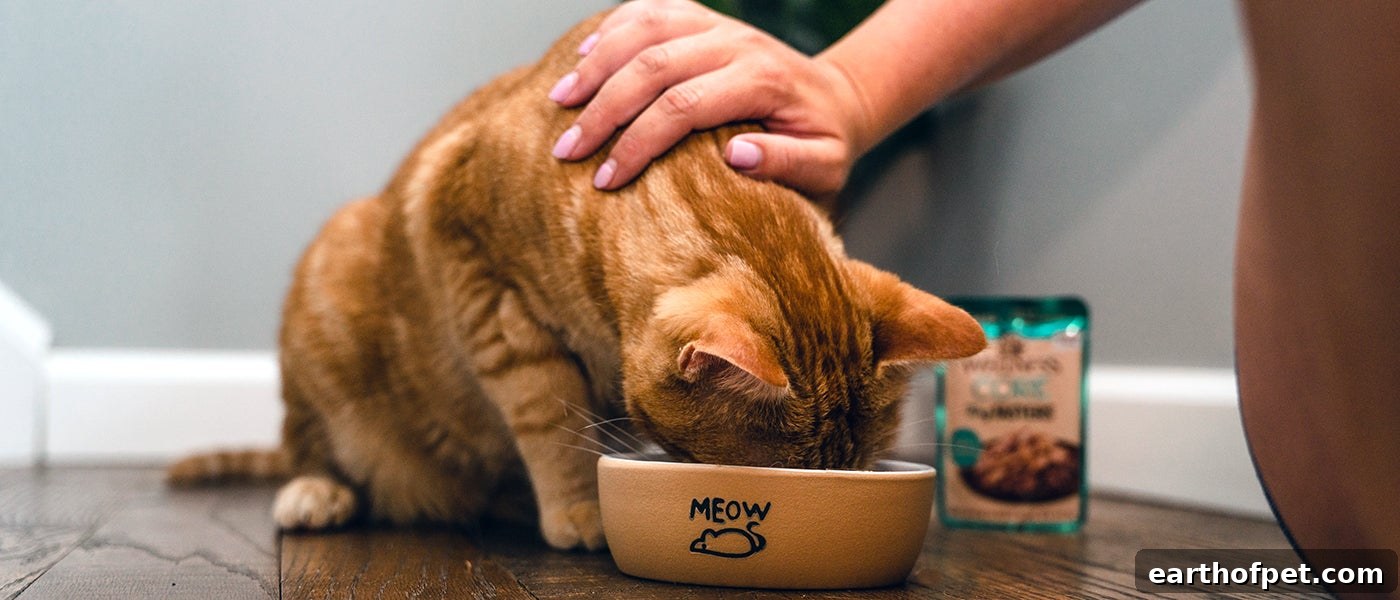
Cats prefer privacy while eating. A quiet, low-traffic spot in the home helps them feel secure and allows them to eat at their own pace. Place feeding stations away from busy hallways, doorways, and active family areas to avoid interruptions. This also prevents other pets—especially dogs—from approaching and disturbing mealtime.
The kitchen often offers suitable nooks where a designated feeding area can be created. Try to set aside a consistent location so your cat learns where to find food and feels comfortable returning there.
Keep Food and Litter Separate
Strong smells or noisy activity near the litter box can discourage a cat from eating. Position food and water bowls well away from litter boxes to preserve aroma and reduce distractions. Cats depend heavily on their sense of smell before they taste food, so keeping these areas separate improves appetite and overall mealtime satisfaction.
When bowls are in a comfortable place, cats are less likely to carry food away to another surface such as furniture or rugs.
Feeding Multiple Cats
In a multi-cat household, feeding can become complicated. Competition and curiosity often lead one cat to investigate or take another’s food. To avoid stress and food stealing, feed cats in separate locations where they cannot see each other. Ideas include placing one bowl on a countertop and another on the floor, or designating different levels of a cat tree as individual feeding stations.
If separation at meal times is difficult, consider feeding cats in different rooms or using barriers so each cat can eat undisturbed.
Make Meals Accessible
Older cats or those with mobility challenges need easy access to their food. If bowls are elevated, provide steps or ramps to help cats reach them comfortably. Improving access not only reduces strain but also encourages consistent eating and better nutrition.
Manage Nibblers and Individual Diets
Many cats are nibblers, grazing throughout the day rather than eating all their food at once. This can complicate meal monitoring, especially when cats require different diets for health reasons. Technology offers solutions such as microchip-activated feeders or RFID bowls that only open for a specific cat, ensuring each animal gets its intended portion without intrusion. These devices help prevent nibbling and food theft while supporting individualized feeding plans.
Preserve Palatability and Freshness
Food left exposed can lose aroma and flavor and may attract insects. Sealed bowls, motion-activated lids, or automated kibble dispensers help maintain freshness for both dry and canned food. Some bowls incorporate cooling elements to keep wet food palatable over several hours.
Serving food at room temperature improves aroma and appeal. Warming sealed wet food gently by placing the unopened can or pouch in a bowl of hot water brings out scent without overheating. Avoid microwaving food in the dish, as uneven heating can create hot spots and may degrade nutrients.
Replace, Don’t Top Up
Rather than topping up dry food, remove any leftover kibble and serve a fresh portion. Regularly adding fresh kibble to old reduces flavor and can lead to stale, less appealing meals.
Keep Bowls Clean
Wash food and water dishes between meals to remove residue and bacteria. Having a second set of bowls allows quick swapping at mealtime while the used set is cleaned. Stainless steel or ceramic bowls are easy to clean and less likely to harbor odors.
Store Kibble Properly
Keep dry food fresh by sealing bags tightly after scooping. For longer freshness and to maintain crunch and flavor, store the kibble bag inside an airtight, food-safe container in a cool, dry place.
Rotate Flavors and Textures
Cats can appear picky, but often they simply enjoy variety in flavor and texture. Adding a small shredded-protein topping or a broth-based enhancer to their regular kibble can make meals more enticing. Rotating wet food proteins or alternating wet and dry meals introduces new scents and could increase interest in food, especially for older or picky eaters.
If you use branded toppers or specific wet and dry recipes, follow the feeding guidelines on those products and consult your veterinarian before making major dietary changes, especially for cats with special health needs.
Product Guarantees and Support
Some manufacturers offer satisfaction guarantees on their foods and toppers; if you have questions about a product’s suitability, consult your veterinarian. For product-specific inquiries, use the brand’s official support channels listed on their packaging or printed materials.
*Study note included by product manufacturer: based on internal studies of dry cat food at an independent facility. Data on file.