Maintaining a cat’s digestive health is one of the most important foundations for their overall wellbeing. The digestive system breaks down and absorbs the nutrients cats need every day, and it houses trillions of beneficial microbes known collectively as the microbiome. A balanced microbiome helps support the immune system, enhances nutrient absorption, contributes to a glossy skin and coat, and supports long-term health and vitality.
Pet owners increasingly recognize the value of digestive support: a recent survey found that 78% of pet parents look for digestive-health benefits when choosing their cat’s food. So how can cat parents best support digestion and make informed choices about nutrition? Which specific feline traits should guide those choices?
The major difference with our felines is that cats, unlike dogs, are classified as true obligate carnivores.
Cats are distinct from many other companion animals in both anatomy and nutritional needs. Unlike omnivores, cats are true obligate carnivores, which means they require certain nutrients that are found only in animal tissues—examples include the amino acid taurine and the fatty acid arachidonic acid. To meet these demands, cats do best on diets that emphasize high-quality meat proteins and provide a higher total protein level than many other pets require.
Fun Facts About a Cat’s Unique Digestive System
- Cats can seem picky about food because they are highly sensitive to taste, aroma, and texture; palatability matters to them more than to many other pets.
- A cat’s intestine is shorter relative to body length than a dog’s. Typical carnivores like cats have an approximate intestinal length-to-body-size ratio of 4:1, versus roughly 6:1 in dogs, reflecting differences in diet and digestion.
- Adult cats have 30 permanent teeth compared with a dog’s 42. Cats lack broad grinding molars, and their teeth are adapted for seizing and tearing meat rather than grinding plant matter.
- Many cats prefer small, frequent meals and may graze across the day. It’s normal for a cat to eat many times daily; they can take a long time to finish a single small portion compared with dogs, who often eat quickly.
- Cats have a relatively low thirst drive and may not respond strongly to mild dehydration. Increasing the amount of wet food in a cat’s diet is a practical way to support hydration and urinary tract health.
- Hairballs are a common result of normal grooming. Occasional hairball regurgitation is typical, but frequent hairball buildup can lead to digestive upset or, in rare cases, intestinal blockage.
How to Support Your Cat’s Digestive System
Choosing food that meets the unique needs of cats is central to maintaining digestive health. Look for complete, balanced recipes formulated specifically for felines so their digestive tract can function optimally. Switching to a thoughtfully designed diet can improve nutrient absorption, support a healthy microbiome, and contribute to lifelong wellbeing.
When evaluating foods, consider these key nutritional attributes that support digestion and general health:
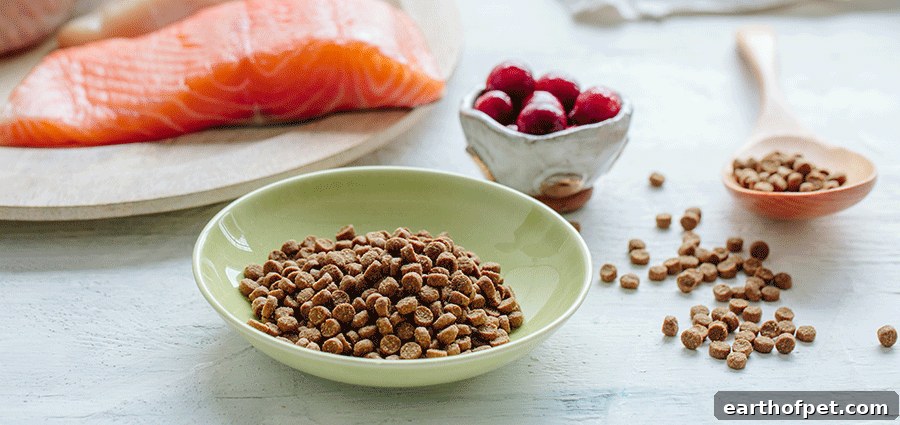
- High-quality animal proteins: Ingredients like chicken, turkey, and salmon supply essential amino acids and support strong lean muscles while honoring cats’ carnivorous needs.
- Higher total protein content: Aim for recipes that provide a total protein level in the range of about 38–40% for adult cats that require higher protein to meet metabolic demands.
- Moderate, healthy fats: Fats deliver concentrated energy and essential omega fatty acids, which help maintain a healthy skin and shiny coat.
- Gentle carbohydrates: Whole grains such as rice, oats, and barley can be easier on a cat’s stomach and help support steady energy and nutrient absorption when included in appropriate amounts.
- Dietary fiber: Soluble and insoluble fibers support regular intestinal transit and overall digestive comfort.
- Prebiotics: Ingredients like FOS (fructooligosaccharides) and MOS (mannan-oligosaccharides) feed beneficial gut bacteria and help maintain a balanced microbiome.
- Guaranteed probiotics: When live probiotics are added—often via specialized coating processes for dry kibble—they introduce beneficial microorganisms directly to the gut to help stabilize and enrich the microbiome.
Fuel Their Wellbeing with Wellness CORE Digestive Health
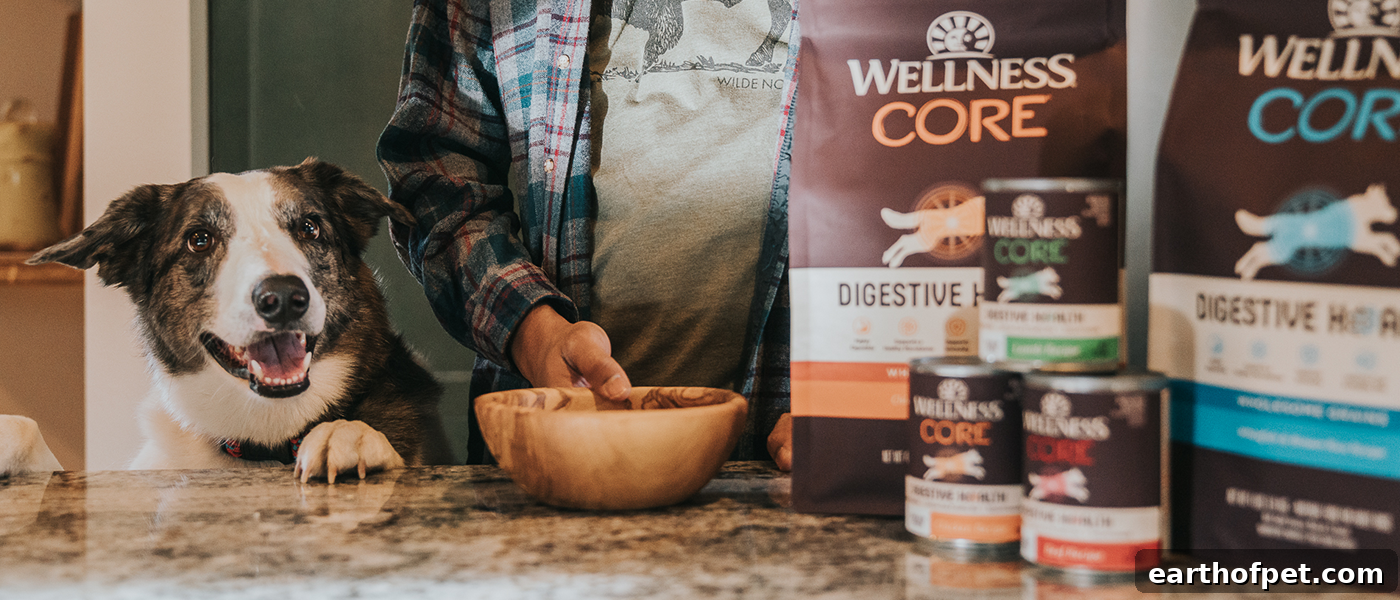
Delivering high-quality, digestible nutrition is key to supporting a healthy digestive tract. Wellness CORE Digestive Health offers recipes designed to promote nutrient absorption and a balanced microbiome. Available in both wet and dry formulas, these recipes focus on high-quality proteins, balanced fats, gentle carbohydrates, fiber, prebiotics, and probiotics to support your cat’s digestive health and overall vitality. Prioritizing nutrition tailored to a cat’s unique physiology helps ensure many healthy, comfortable years together.