Periodontal Disease in Dogs
Periodontal disease in dogs is now the most common health problem affecting adult canines, with estimates indicating it impacts around 80% of dogs by adulthood. Understanding what periodontal disease is, recognizing the warning signs early, and taking practical steps to maintain your dog’s oral health can prevent pain, tooth loss, and other related health problems.
What is Periodontal Disease?
Often referred to as gum disease or dental disease, periodontal disease is an inflammatory condition that damages the tissues and structures that support a dog’s teeth. It begins with the accumulation of plaque and tartar on the tooth surface and along the gum line. As bacteria build up, the gums become inflamed, turning red and swollen. If left untreated, the inflammation can cause the gums to recede, loosen the connective tissue and bone around the tooth, and eventually lead to tooth loosening or loss.
What Are the Signs of Periodontal Disease?
Pet owners sometimes assume common signs of oral disease are normal for dogs, which can delay detection and treatment. Watch for these indicators of poor dental health:
- Bad breath: Persistent bad breath (halitosis) is often the first noticeable sign. It usually results from excess bacteria in the mouth and the breakdown of food particles in plaque and tartar, producing unpleasant, sulfur-like odors.
- Visible tartar: Check your dog’s teeth by gently lifting the lips. Yellow or brown buildup, especially on the back teeth and along the gum line, is a sign of tartar accumulation. This hardened plaque promotes further inflammation and disease progression.
- Red or bleeding gums: Gingivitis—red, swollen, or bleeding gums—is a clear sign of gum inflammation. Gums that bleed during chewing or when touched indicate infection and increased risk of bacteria entering the bloodstream, which can affect other organs over time.
- Excessive drooling: While some drooling is normal, excessive or unusual drooling not associated with food may point to oral pain or discomfort.
- Reluctance to eat or chewing pain: Dogs with periodontal disease may eat less, favor soft foods, drop food while chewing, or show signs of discomfort during mealtime. A sudden change in eating habits is a red flag.
If you notice any of these signs, schedule an appointment with your veterinarian. A professional exam will determine the extent of dental disease and the appropriate treatment, which may include cleaning, dental X-rays, or other interventions.
How to Care for Your Dog’s Teeth to Avoid Disease
Preventing periodontal disease combines consistent at-home care with regular veterinary dental checks. The gold standard for home care is daily tooth brushing using a toothbrush and toothpaste formulated for dogs. Brushing removes plaque before it hardens into tartar and helps maintain healthy gums. In practice, however, daily brushing can be challenging; surveys suggest only a small percentage of pet owners brush their dog’s teeth every day.
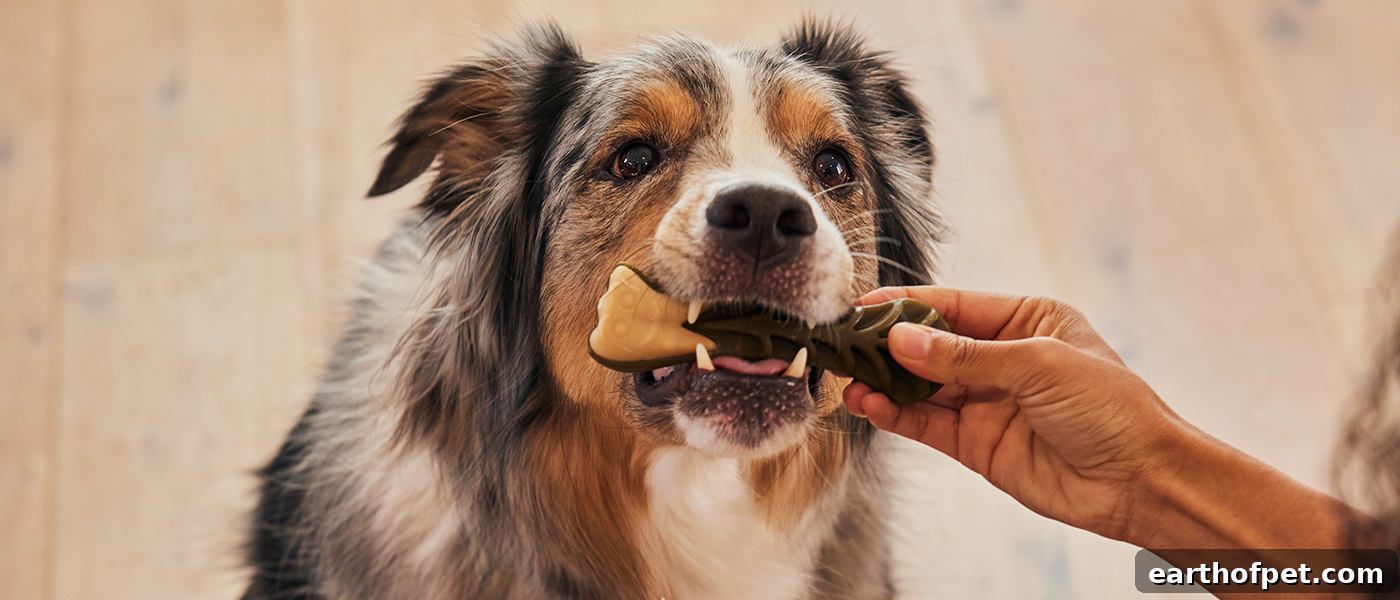
When daily brushing is not feasible, there are effective alternatives that can significantly support dental health. High-quality dental chews, specially designed toys, and dental diets can help reduce plaque and freshen breath when used regularly. For example, many dog owners find that giving a chew specifically designed to clean teeth can be an easy, enjoyable way to support oral hygiene. Choose products recommended by your veterinarian and appropriate for your dog’s size and chewing habits.
In addition to brushing and chews, incorporate these practices into your dog’s dental care routine:
- Arrange annual dental exams with your veterinarian to catch problems early and receive professional cleanings when needed.
- Provide dental-safe chew toys and monitor their condition to avoid pieces breaking off and becoming a hazard.
- Offer a balanced diet that supports dental health and overall wellness; discuss dietary options with your vet.
- Observe your dog’s mouth regularly for changes in breath, behavior, or appearance, and report concerns promptly.
Proactive dental care protects not only your dog’s teeth and gums but also their overall health. Left untreated, periodontal disease can cause chronic pain and increase the risk of systemic conditions. Working with your veterinarian to establish a practical, consistent dental routine will keep your dog comfortable, healthy, and smiling for years to come.
Product note: When selecting dental chews or other oral care products, choose reputable, veterinarian-recommended options and follow package guidelines for frequency and sizing to ensure safety and effectiveness for your dog.