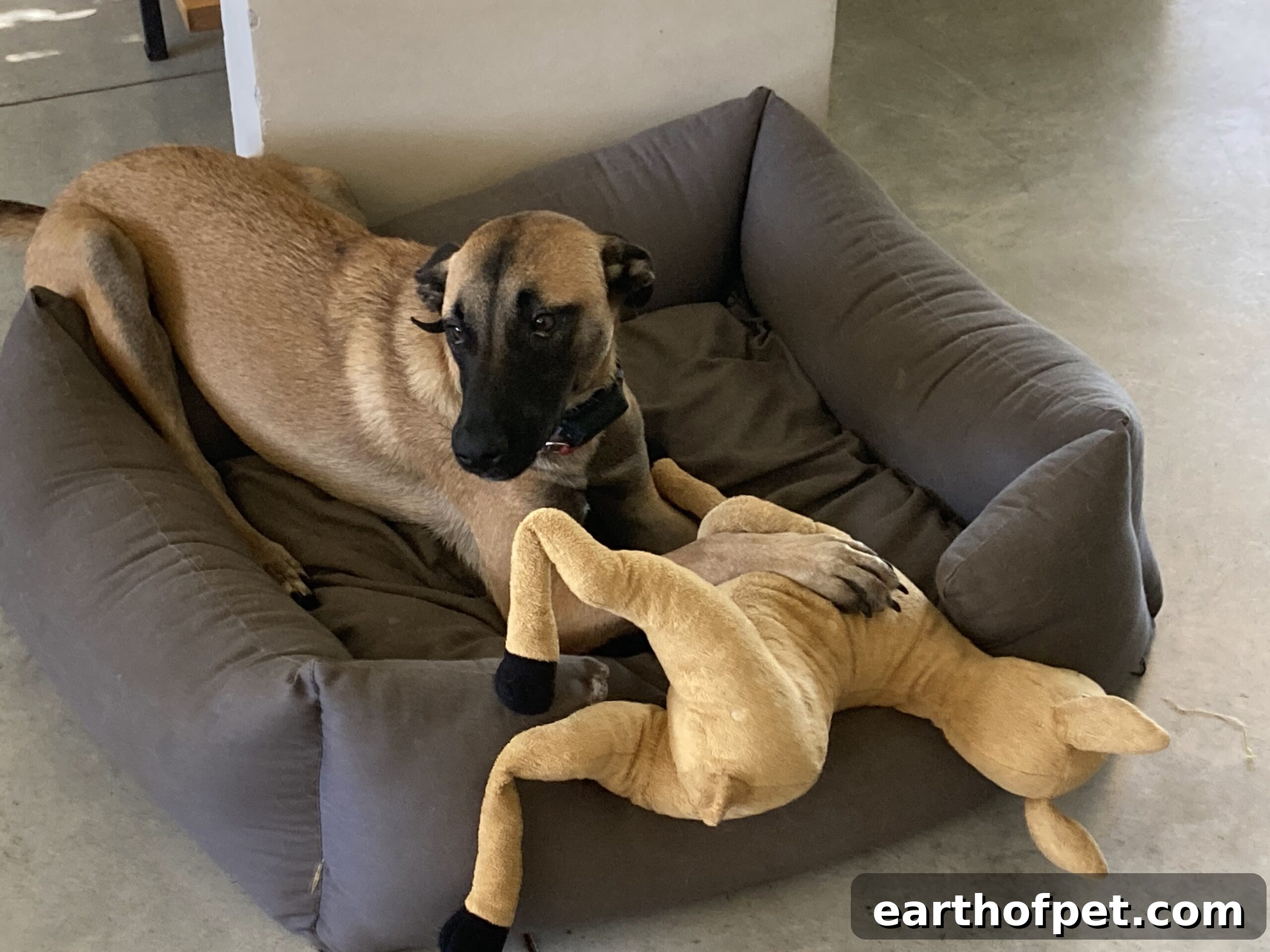
PetPace continuously monitors a dog’s vital signs to reveal physiological changes that are not always visible through observation alone. In this real-world example, data from a dog named Joy demonstrates how a wearable health collar can capture both immediate reactions to sudden events and longer-term physiological changes. This case underlines the value of round-the-clock monitoring for understanding how environmental stress affects a dog’s body.
Detecting a Change in Baseline
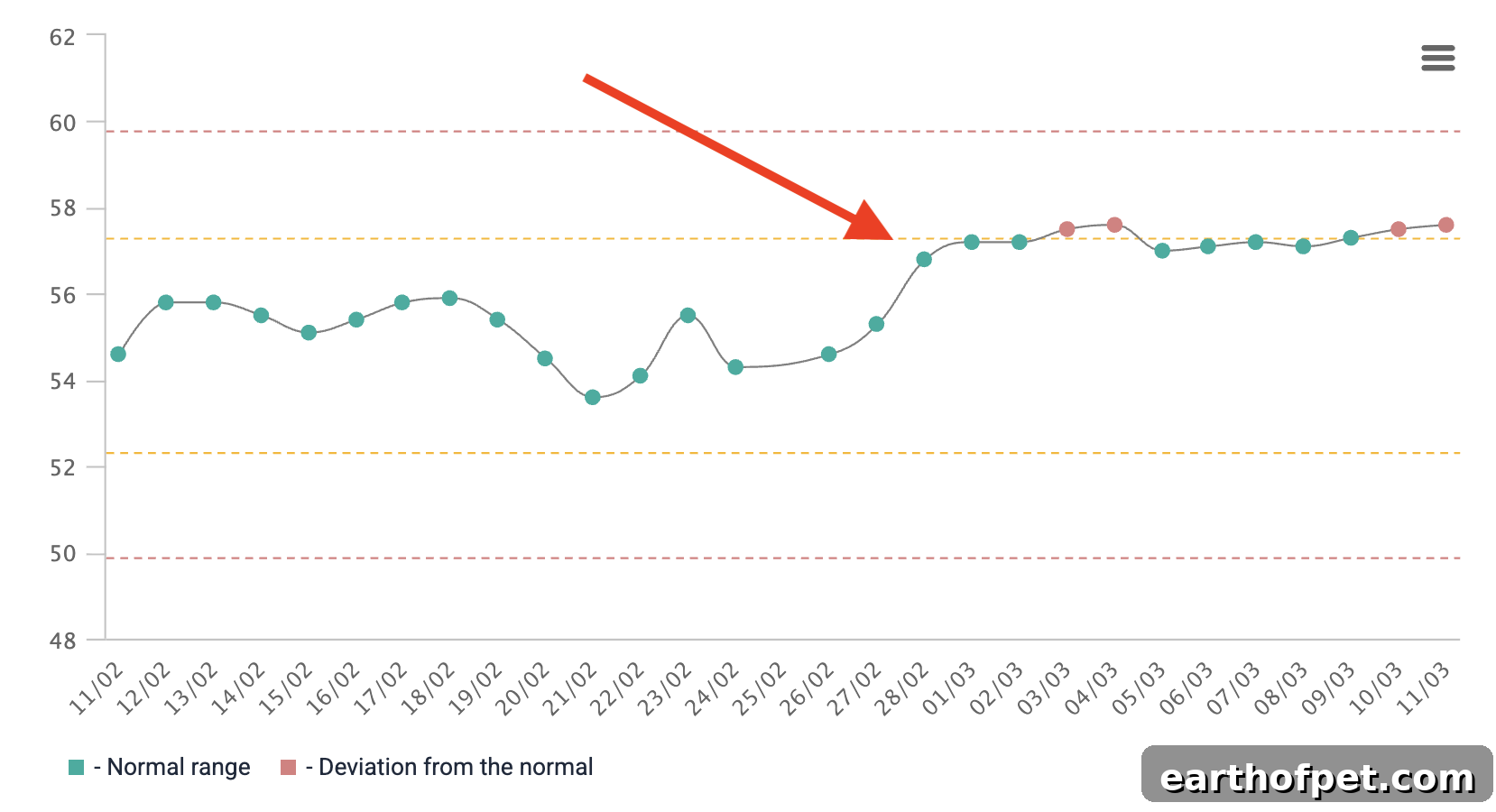
PetPace creates an individualized baseline health profile for every dog by continuously measuring key physiological parameters such as pulse, heart rate variability (HRV), respiration, and activity. When reviewing Joy’s health profile, a clear shift appeared in her average daily pulse.
For several weeks prior, Joy’s average daily pulse stayed stable within her normal range. However, beginning on February 28, as her environment became increasingly stressful, her data showed a consistent rise in average pulse relative to her previous baseline. This was not an isolated spike but a sustained elevation across multiple days, indicating an ongoing physiological response rather than a momentary reaction.
Capturing a Real-Time Stress Event
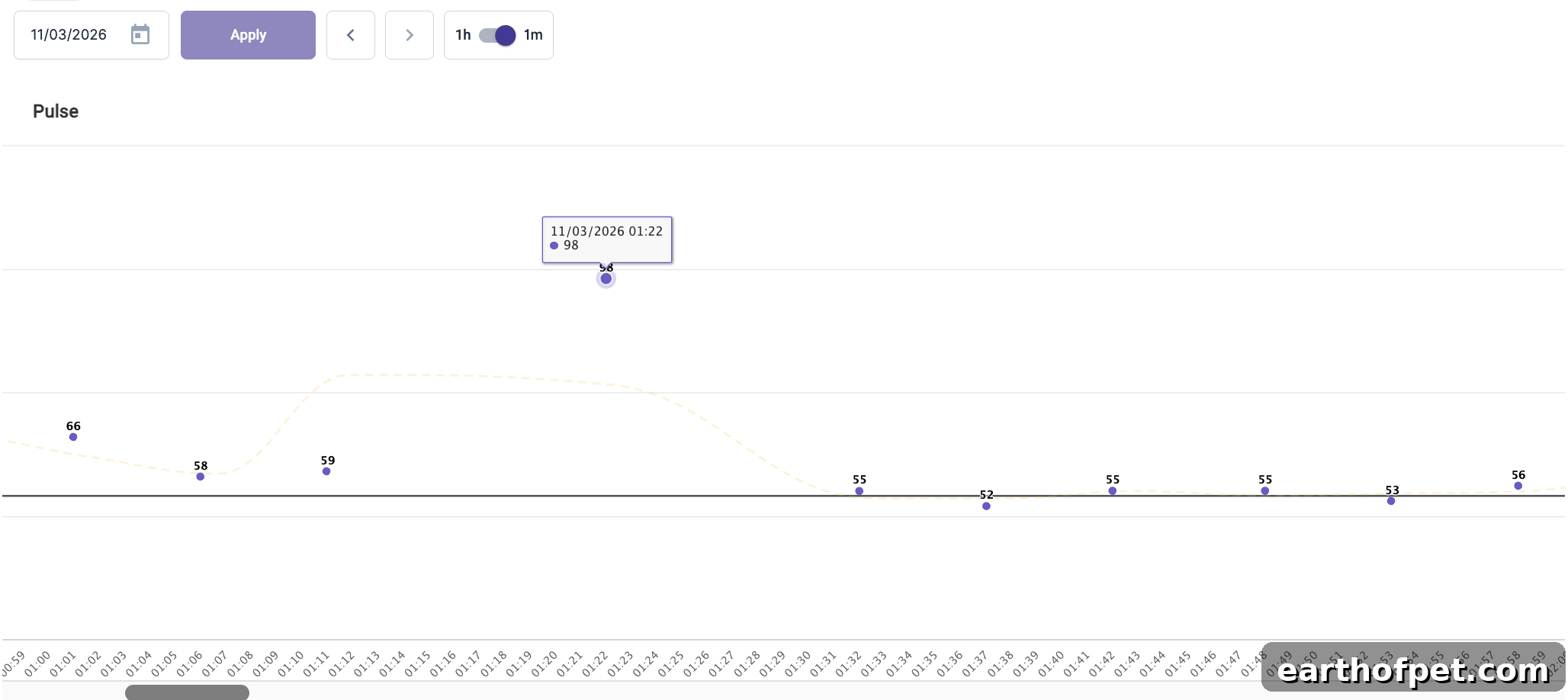
One of the strengths of continuous monitoring is its ability to record both long-term trends and specific moments when a dog’s physiology changes abruptly. During the same period, Joy experienced a sudden nighttime alarm that produced a clear and immediate response in her pulse data.
At approximately 1:20 AM, PetPace recorded a sharp increase in Joy’s pulse that corresponded with the alarm. This real-time spike illustrates how wearable monitoring captures direct physiological reactions to acute stressors, even when they occur while the dog is asleep or out of sight.
Why Continuous Monitoring Matters
Dogs encounter environmental stressors in many situations: loud alarms, fireworks, thunderstorms, unexpected nighttime disturbances, and unfamiliar surroundings are among the most common. While these events may last only minutes, their physiological impact can extend far longer than the event itself. Without continuous monitoring, many of these changes would remain unnoticed.
Objective, ongoing health data helps reveal:
- immediate stress responses captured in real time
- subtle shifts away from established baseline patterns
- longer-term physiological trends that develop over days or weeks
With this information, pet owners and veterinarians gain a deeper understanding of behavioral changes and overall well-being, making it easier to respond appropriately when a dog shows signs of stress or altered health.
Turning Data into Insight
Joy’s example shows how a wearable collar can reveal both short-term events and sustained physiological patterns. The device recorded a distinct pulse spike during the sudden alarm and then captured a sustained increase in her average pulse over the following days. Combined, these signals build a fuller picture of how environmental stress affected her body.
Continuous monitoring transforms raw measurements into actionable insight, helping owners recognize when an otherwise invisible event has influenced their dog’s physiology. This detail supports better care decisions and more informed conversations with veterinary professionals.
Understanding Stress in Dogs
Stress and anxiety in dogs can come from many sources, including loud noises, sudden alarms, disrupted routines, and changes in environment. While some reactions are visible—like pacing or trembling—many physiological responses occur internally and may go unnoticed by caregivers.
In Joy’s case, the sustained elevation in pulse revealed that her body was responding to environmental stress over time. Without continuous monitoring, this pattern might have been missed entirely, and her owners would not have known the event had a lasting physiological impact.
Wearable health monitoring uncovers these hidden signals by tracking vital signs around the clock. Identifying shifts in physiological patterns gives owners and veterinarians clearer insight into how a dog responds to stress, which supports better care and a more accurate assessment of overall well-being.