Over the past two decades, small-breed dogs have become increasingly popular and now make up a large portion of pet dogs in the United States. Chosen for their compact size, adaptability to city living, and irresistible charm, these little companions also have unique nutritional and health needs. Compared with larger breeds, small dogs require more calories per pound and often enjoy longer lifespans — but their size also makes them more vulnerable to certain problems like dental disease and obesity. Choosing the right diet and care routine designed specifically for small breeds helps ensure they stay healthy, active, and happy for years to come.
Nutrition tailored to small-breed dogs supports their higher metabolic rate and compact anatomy. Small-breed formulas typically offer smaller kibble, higher protein and fat concentrations for dense calories, and targeted ingredients to support dental health, joint function, and digestion. Below are practical, research-informed feeding tips to help you select the best food and care strategies for small-breed dogs and puppies.
Tips For Feeding Small Breed Dogs & Puppies:
- Choose a Small-Breed Specific Formula with Quality Ingredients
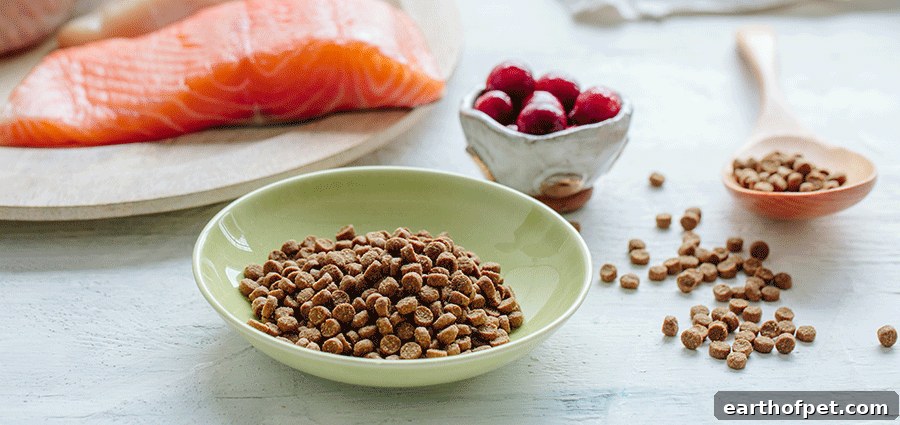
Small-breed diets are formulated to meet the unique energy and bite-size needs of tiny mouths. Look for premium recipes that include real meat as the primary ingredient, balanced protein levels to support lean muscle, healthy fats for energy and skin/coat health, and a kibble size that is easy for small jaws to pick up and chew. Nutrient-dense recipes reduce the volume of food needed while delivering complete nutrition. - Match the Recipe to Life Stage and Lifestyle
Feeding the correct formula for your dog’s life stage is critical. Small-breed puppies often grow rapidly in their first year and benefit from diets with appropriate levels of DHA for brain development, plus balanced vitamins and minerals to support healthy growth. Senior small breeds can spend a large portion of their life in older age and may need boosted antioxidant support, joint-supporting ingredients like glucosamine and chondroitin, and formulas that are easier to digest. Choose foods labelled for the correct life stage—puppy, adult, or senior—to ensure nutritional needs are met throughout life. - Measure Portions and Monitor Intake Carefully
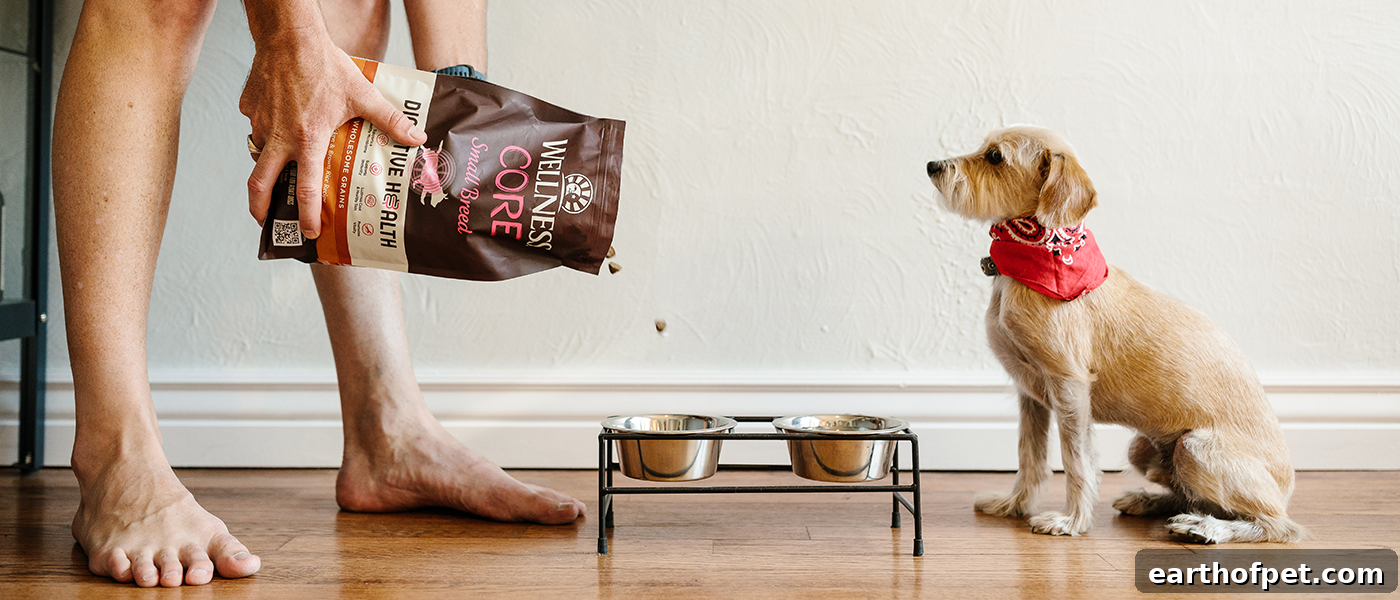
Because of their size, small-breed dogs can gain weight quickly from seemingly tiny extras. Even an ounce or two of extra kibble per day may add up to a significant caloric surplus. Use a measuring cup or scale to portion meals according to the feeding guidelines adjusted for your dog’s age, activity level, and body condition. Break daily rations into multiple small meals if needed to match their fast metabolism and prevent hypoglycemia in very small puppies. - Keep a Close Eye on Body Weight and Condition
A small weight change in a tiny dog can represent a large percentage of overall body mass. Regularly monitor your dog’s weight and body condition score. If your small-breed companion seems to be gaining excess weight, consider switching to a lower-calorie or weight-management formula designed for small breeds, which reduces fat and calories while maintaining higher protein to preserve lean muscle during weight loss. - Prioritize Daily Dental Care
Small dogs have the same number of teeth as large dogs but in a smaller jaw, which often leads to overcrowding and higher risk of tartar buildup and periodontal disease. Daily tooth brushing is the gold standard for preventing dental disease. If brushing is not always possible, add veterinarian-approved dental chews or treats that mechanically help clean teeth and reduce plaque. Regular dental checks during veterinary visits are also essential. - Pick a Brand That Balances Taste and Nutrition
Small-breed dogs can be picky eaters, so choose formulas that combine high palatability with nutrient-dense ingredients. Recipes should be meat-forward, rich in protein, and include wholesome carbohydrates in appropriate amounts to support energy without overfilling a small stomach. High-quality fats like omega-3s support skin, coat, and cognitive health. - Offer Tasty, Appropriately Sized Meals and Treats
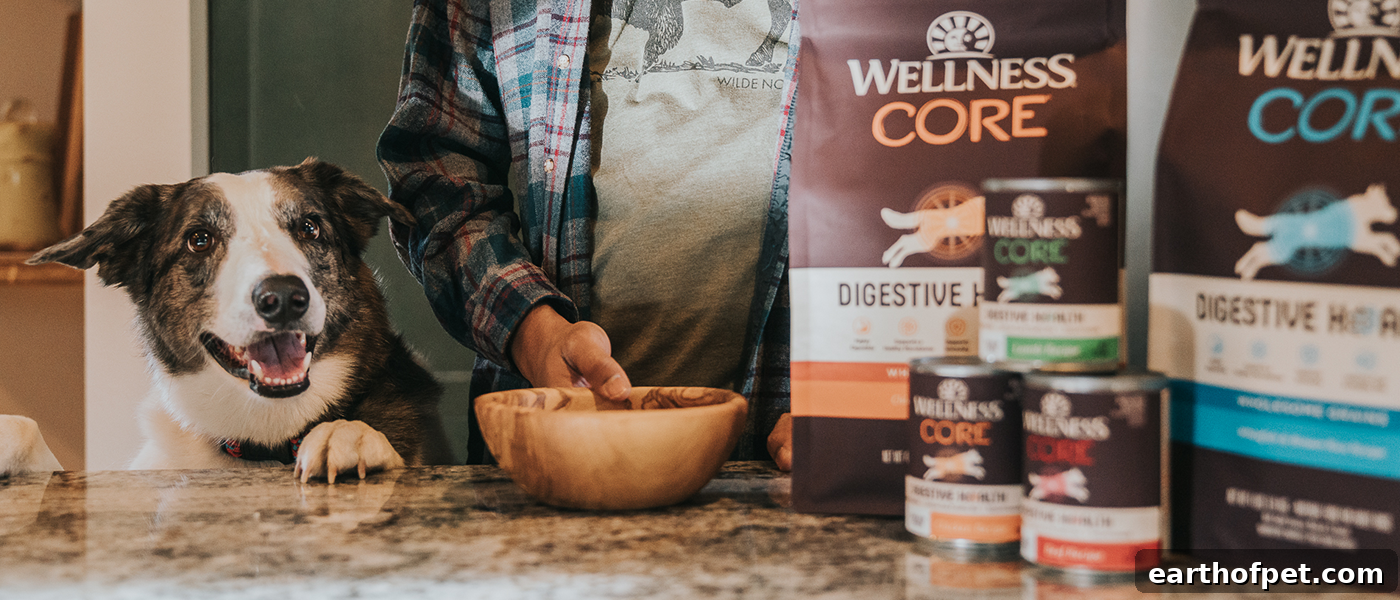
Select wet and dry options sized for small mouths, plus treats made specifically for petite breeds. Freeze-dried meat toppers, small pâtés, and miniature kibble can entice fussy eaters while providing balanced nutrition. Treats should be low in calories and appropriately portioned to avoid contributing excess daily calories.
Feeding small-breed dogs requires attention to portion size, nutrient density, and dental care. By choosing age-appropriate, small-breed-specific formulas and monitoring weight and oral health, you can help your little companion thrive. Thoughtful nutrition and daily care give small-breed dogs the best chance to live long, healthy, and joyful lives alongside their owners.