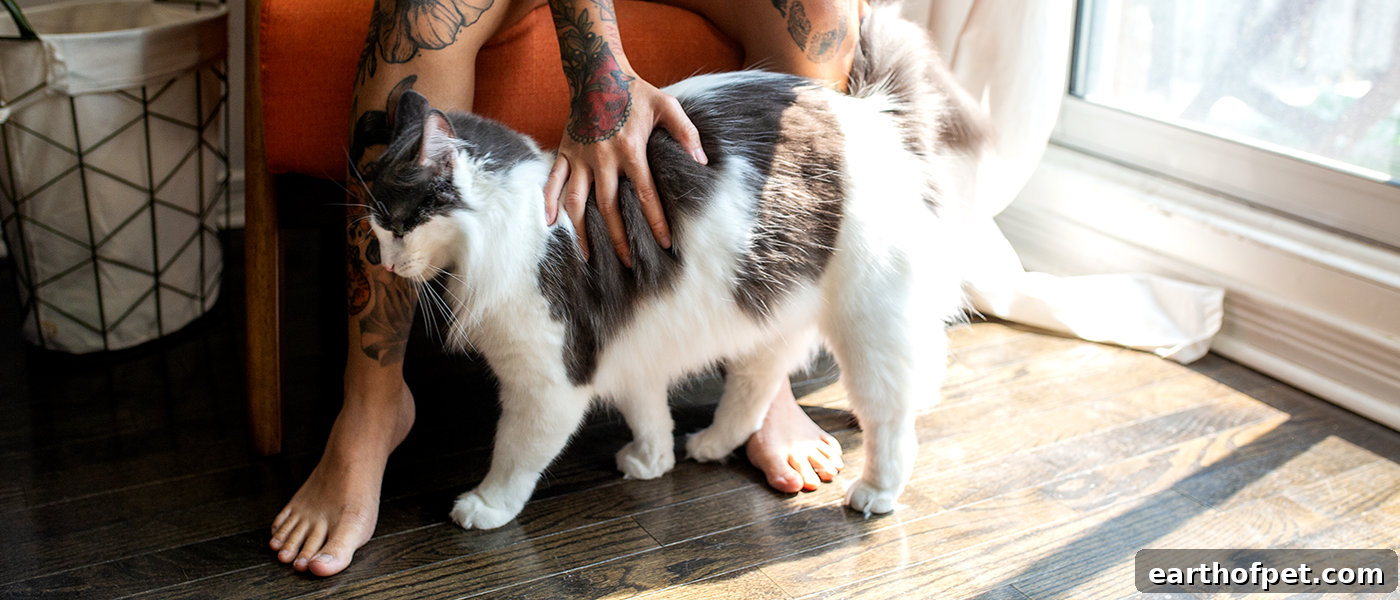
Cat Pregnancy Overview
Gestation in cats typically lasts about 63–68 days, though healthy pregnancies can range from roughly 61 to 70 days. Every pregnancy is unique: kittens are born when they are ready, and the exact timing can vary slightly from one cat to another.
Cat Pregnancy Stages: Physical Signs and Timeline
What changes should you watch for week by week? Below is a clear guide to common physical signs of pregnancy in cats, and what is happening with the developing kittens.
Weeks 1–3
During the first three weeks a pregnant cat usually looks much the same as before; most changes are internal. Around the end of Week 3 and the start of Week 4 the placentas begin producing the hormone prolactin, which supports pregnancy and can be detected by specific blood tests. These early weeks are typically quiet externally, though the body is busy preparing for fetal development.

Cat Pregnancy Stages | PetPace
Weeks 4–5
By Weeks 4 and 5 each kitten appears as a small swell along the uterine horns, often described as a “string of pearls.” Veterinarians can sometimes feel this during a physical exam, though detectability depends on timing: before about day 28 fetuses are too small to palpate, and after day 35 the fluid-filled sacs can be confused with intestinal contents. Around day 30 you may notice “pinking up,” when the nipples become more prominent. Late in Week 5, subtle movements of the kittens begin, visible on ultrasound, and the mother’s belly may start to look noticeably rounded.
Week 6
As the kittens grow they take up more abdominal space, compressing the mother’s stomach. Her appetite may change and she can feel full quickly. At this stage, serve her smaller, more frequent meals and begin gradually increasing the total daily food quantity to meet the extra nutritional demands.
Weeks 7–8
Weeks 7 and 8 bring obvious signs of late pregnancy: a larger abdomen, more sleep, and frequent litter box visits. The mammary glands enlarge as they prepare to produce milk. The mother may be less active and will benefit from a quiet, comfortable environment.
Week 9
As she approaches the end of pregnancy the cat may begin nesting—seeking a safe, secluded place to give birth. Labor usually occurs late in Week 9, though timing can vary. A drop in normal body temperature can be an early sign of imminent labor.
Monitoring the Mother
It’s natural to worry if your cat becomes lethargic or shows other changes during pregnancy. Remote monitoring tools, such as wearable health collars, can provide continuous readings of temperature, heart and respiratory rate, and activity. Alerts from these devices can help owners detect signs of illness or distress early, allowing timely veterinary attention when needed. Remember that changes in the mother’s condition can affect the unborn kittens as well.
The Kitten’s Development: Week by Week
Inside the womb the kittens follow a predictable pattern of development:
Week 1: About five days after ovulation fertilized eggs move into the uterus and space themselves along the uterine horns. Some embryos that are crowded may not continue to develop.
Week 2: Implantation of the fertilized eggs into the uterine lining usually occurs around day 12.
Week 3: Each kitten develops its own placenta. From about day 20 the placentas produce prolactin, and a heartbeat can be detected on ultrasound.

Cat Pregnancy Stages | PetPace
Week 4: Fetal movement can be seen on ultrasound; this is also the best time for a vet to detect pregnancy by palpation.
Week 5: The kittens occupy more space and the mother’s abdomen begins to swell.
Week 6: Rapid growth continues; kittens are fully formed and maturing.
Week 7: The mother uses increasing amounts of energy to support fetal growth.
Week 8: Hormones from the kittens stimulate enlargement of the mother’s mammary glands as she prepares to lactate.
Week 9: Birth is near. X-rays can now show mineralization of the kittens’ teeth, which sometimes helps veterinarians plan for a safe delivery, especially in breeds prone to birthing difficulties.
Caring for a Pregnant Cat
The most important needs of a pregnant cat are comfort, nutrition, and security. Provide a warm, quiet area where she can rest undisturbed and begin to nest. If she usually roams outdoors, keeping her indoors through pregnancy protects her and the unborn kittens from infectious diseases and accidental injury.
Feeding should be managed to support healthy weight gain without overfeeding early on. In the final trimester the growing kittens reduce the mother’s stomach capacity while increasing her caloric needs. Transition to a calorie-dense kitten food and offer small, frequent meals to maintain her energy levels.
Ensure easy access to a litter tray, fresh water, and a calm environment. Avoid strenuous activity or stressful situations and observe her for any signs of distress—restlessness, prolonged shivering, difficulty breathing, or unusual discharge warrant immediate veterinary attention.
Final Notes on Late Pregnancy and Birth
In the last weeks of pregnancy, the mother may move more slowly and sleep more. Keep necessities within reach and maintain a discreet, reassuring presence. Monitoring devices can provide additional peace of mind by tracking vital signs and alerting you to concerning changes. With attentive care, most queens deliver healthy litters at home; however, be prepared to contact your veterinarian if labor appears prolonged, if kittens are stuck, or if the mother shows signs of severe distress. Caring for a pregnant cat is ultimately about providing safety, proper nutrition, and prompt attention when complications arise, ensuring the best outcome for both mother and kittens.