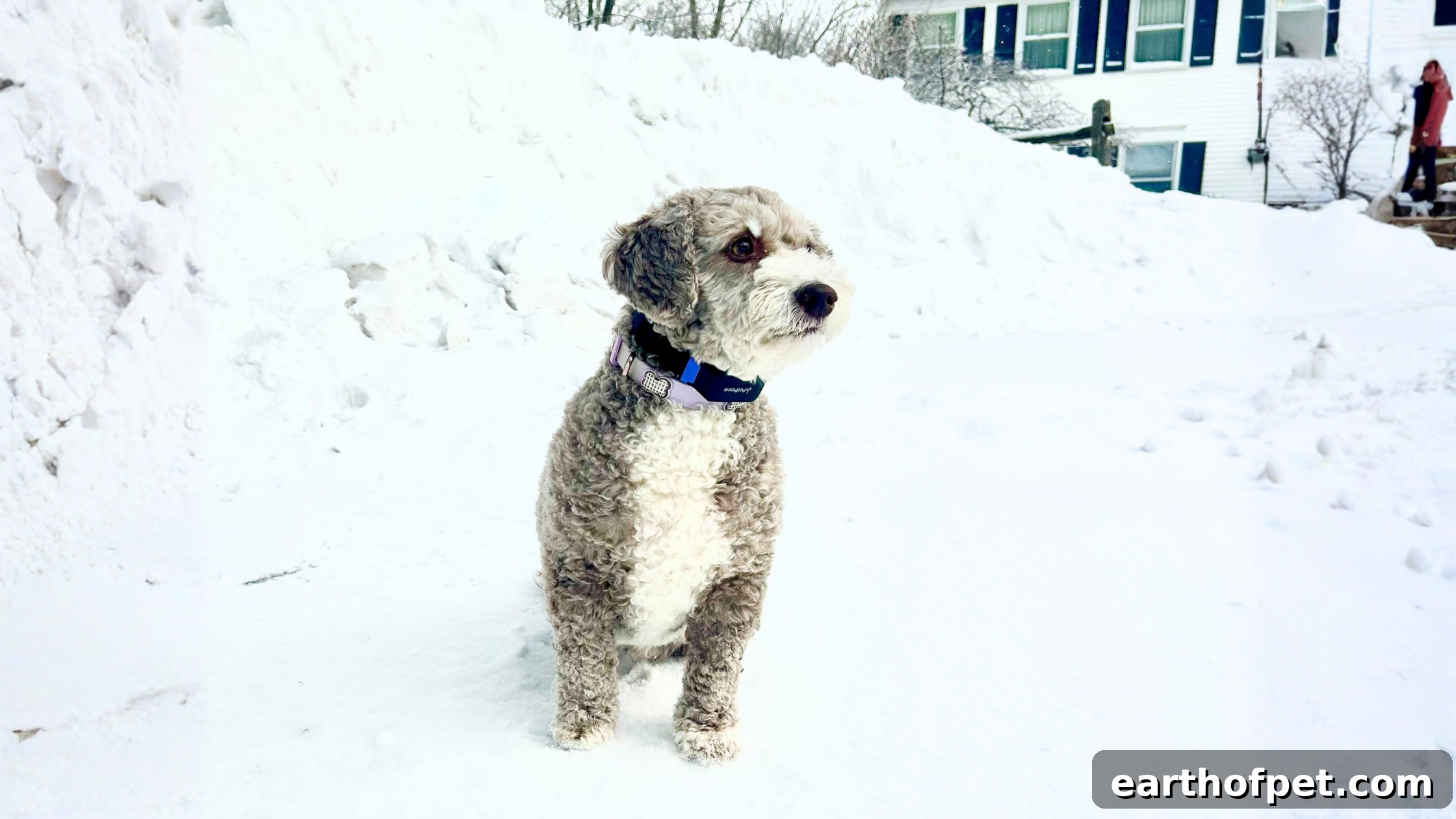
Snowy days can feel magical—crisp air, crunchy walks, and cozy naps—but cold weather also creates real risks for pets. Rapid temperature drops, salted roads, and wetter indoor routines all increase the chance of injury or illness. This guide explains practical, easy-to-follow steps for keeping dogs and cats safe in the snow, whether you’re heading out for a quick walk, playing in the yard, or managing indoor winter care.
1) Limit Time Outside (Even If Your Pet Loves the Snow)
Some dogs seem to live for snow, while others head straight back to the door. Regardless of enthusiasm, cold exposure affects animals quickly—especially puppies, seniors, small breeds, short-haired dogs, and kittens. Shorter, more frequent outings are safer than a single long walk.
Watch for signs your pet is too cold:
- Shivering or trembling
- Lifting paws off the ground repeatedly
- Slowing down, refusing to continue, or turning back toward home
- Whining, anxiety, or seeking shelter
- Ears, tail, or paws that feel very cold to the touch
Tip: Break walks into shorter trips and add quick potty breaks instead of long excursions when temperatures are low.
2) Protect Paws from Ice, Salt, and De-Icers
Sidewalks and roads can be rough on paw pads. Salt and many chemical de-icers irritate skin and can be harmful if licked off after a walk.
Paw safety checklist
- Try dog booties if your pet tolerates them—these shield pads from cold and chemicals.
- Apply a protective paw balm before and after walks to soothe and protect pads.
- Wipe paws with a warm, damp cloth when you come inside to remove salt, grit, and residue.
- Check between toes for compacted snow or ice balls and gently remove them.
- Look for redness, cracking, bleeding, or limping—signs that pads need veterinary attention.
Important: Many commercial ice melts irritate pets’ skin. Where possible use pet-safe ice melt at home and rinse paws after exposure.
3) Keep Your Pet Dry (Wet Fur Causes Faster Heat Loss)
Snow melts into coats and can lower body temperature faster than you expect. Keeping pets dry is a core element of winter pet safety.
- Towel-dry paws, legs, belly, and tail immediately after being outside.
- For long-haired breeds, remove snow “balls” that cling to fur so they don’t melt and chill the skin.
- If your pet is soaked, bring them indoors to a warm, draft-free spot right away.
Bonus: A well-fitting winter coat or sweater can help short-haired dogs stay comfortable on brisk outings.
4) Snow Can Hide Hazards
Fresh snow covers more than grass—it can conceal sharp ice, broken branches, hidden debris, trash, and thin ice over bodies of water. Be especially cautious in areas you don’t know well.
- Avoid frozen lakes or ponds; ice can crack and fail under a pet’s weight.
- Keep pets away from snowbanks near roads—drivers’ visibility is reduced and traffic poses a danger.
- Watch for sharp ice chunks around plowed areas; they can cut paws or legs.
- On trails, move slowly and scan for hidden objects that could injure a pet.
If your dog runs off-leash, winter terrain can turn risky very quickly—consider keeping leash control where hazards exist.
5) Winter Poison Risks to Watch For
Cold months bring specific poisoning hazards that pet owners may not expect.
Antifreeze (extremely toxic)
Even small amounts of automotive antifreeze can be deadly. Keep containers tightly sealed, clean up drips and spills right away, and prevent pets from drinking from puddles near garages or parking areas.
Salt and ice-melt ingestion
Pets often lick their paws or eat snow near treated sidewalks. Ingested de-icers and excessive salt can upset stomachs and may be toxic—clean paws promptly after walks.
Rodent poison and bait
Some people use rodenticides in winter. Keep pets away from sheds, corners, and baits, and supervise curious animals around areas where traps might be placed.
If you suspect poisoning, contact your veterinarian or an emergency animal clinic immediately—fast action can make a major difference.
6) Indoor Winter Safety: Warmth, Humidity, and Mental Enrichment
Pets spend more time indoors in cold weather, which raises different safety and health concerns. Make the indoor environment comfortable and stimulating.
Keep pets cozy and safe
- Provide warm bedding away from drafts and windows.
- Keep cats and curious animals away from space heaters, fireplaces, and hot stoves.
- Don’t leave pets in unheated garages, balconies, or laundry rooms for extended periods.
Manage dry indoor air
Winter heating can dry skin and exacerbate itchiness. Consider using a humidifier and consult your veterinarian about vet-approved skin support if your pet shows signs of dry, flaky skin.
Prevent boredom and excess energy
- Offer food puzzles and interactive feeders to provide mental stimulation.
- Do short training sessions to reinforce skills and burn energy.
- Play “find it” games with treats to keep pets engaged and active indoors.
7) Special Note for Outdoor Cats
Cats that go outside face higher winter risk. The safest option during freezing weather and snow is to keep cats indoors whenever possible.
If outdoor access is unavoidable:
- Provide an insulated, dry, wind-protected shelter off the ground.
- Check regularly for frostbite on ears, paws, and tails.
- Always offer fresh, unfrozen water—change it often to prevent freezing.
Because cats may seek warmth in unsafe places like car engines, tap the hood or honk before starting your vehicle in snowy conditions to reduce the risk of injury.
8) Recognize Winter Emergencies: Hypothermia and Frostbite
Hypothermia signs
- Persistent shivering
- Weakness or slow movements
- Pale gums
- Confusion, unresponsiveness, or extreme lethargy
Frostbite signs
- Pale, gray, or bluish skin—commonly on ears, paws, and tail
- Swelling or signs of pain when the area is touched
- Skin that darkens or blisters later
If you observe these signs, warm your pet gradually in a warm room, avoid rubbing frozen tissue, and contact your veterinarian immediately for guidance.
Make Winter Safe—and Still Fun—for Your Pet
Winter safety doesn’t have to cancel the fun. With a few simple habits—shorter walks, paw protection, drying off after outings, and awareness of winter toxins—you can keep dogs and cats healthy and comfortable. For pet owners who want extra monitoring, temperature- and activity-tracking collars and devices can provide alerts if a pet’s vital signs fall outside their typical range, helping you respond quickly in an emergency.
Your pet doesn’t need a perfect winter adventure—just thoughtful care, protection, and your attention to stay warm and safe all season long.