Cats are often called picky eaters, but it’s usually not about being difficult—cats have very refined tastes and texture preferences. They respond to the way food feels in their mouths and how easily they can pick it up, which is why texture plays such an important role. While pâté-style wet food is a favorite for many, flaked and shredded textures are also highly appealing to a lot of cats.
What Does Flaked Cat Food Feel Like?
Pet nutritionists describe flaked cat food as pieces of protein broken into long, thin, flat flakes suspended in a light broth. The texture is similar to canned tuna packed in water—delicate pieces that separate easily when touched. This light, flaky consistency is often attractive to cats that prefer distinct morsels to smooth pâté.
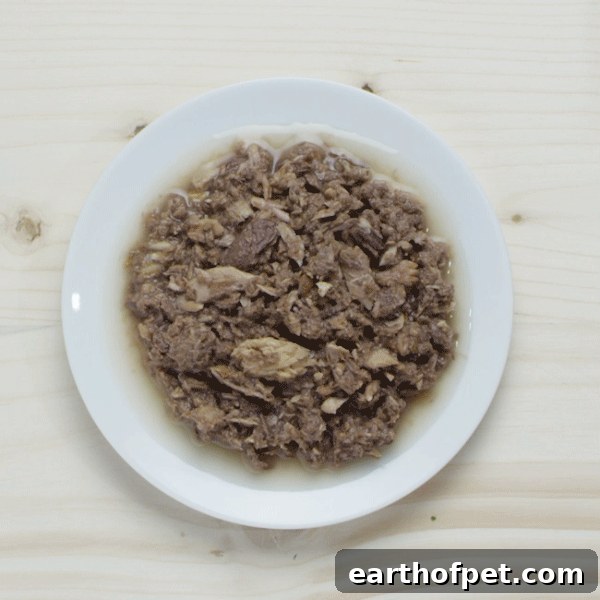
How to Introduce Flaked Food to Your Cat
If your cat already enjoys wet food, switching to a flaked recipe can be straightforward—simply replace the wet food they currently eat with a flaked option. If your cat is used to dry kibble or a mix of wet and dry, you’ll want to adjust portions to account for calories so you don’t unintentionally overfeed.
Combining Wet and Dry Food: Practical Tips
When adding flaked wet food to a dry diet, reduce the amount of kibble to balance total calories. Below is a general feeding guide based on common can sizes and the practice of feeding wet food alone or combined with dry.
Feeding Guidelines Example: Wellness CORE Signature Selects Flaked Skipjack Tuna
| Can Size | Feeding Alone | Feeding with Dry |
|---|---|---|
| 2.8 oz | About 3 to 3½ cans per 6–8 lbs of body weight per day | Reduce dry food by 1/8 cup for every 1 can of wet food |
| 5.3 oz | About 1½ to 2 cans per 6–8 lbs of body weight per day | Reduce dry food by 1/8 cup for every ½ can of wet food |
These numbers are general starting points. Individual needs will vary according to age, weight, activity level, breed and environment, so adjust portions as necessary. Always refrigerate any unused portion of opened wet food.
Using Flaked Food as a Mixer or Topper
A flexible way to introduce flaked texture is to use it as a topper, mixer or occasional treat. Small pouches or cans of flaked fish or poultry can be added atop kibble to make meals more enticing or served separately as a flavorful side. Flaked toppers are also useful for encouraging a cat to eat medication—adding a little tasty flaked food can help mask bitter flavors and provide a positive association.
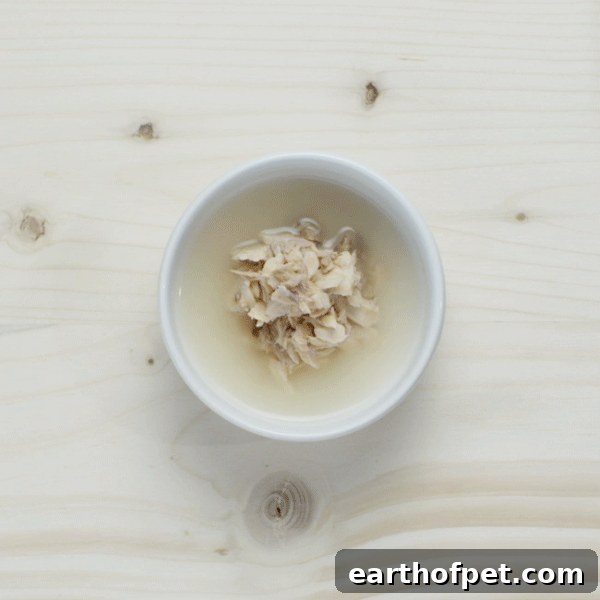
Flaked and shredded toppers usually come in convenient pouches and are available in several flavors like shredded chicken, chicken with mackerel, flaked salmon and tuna, or tuna with shrimp. Many of these toppers are grain-free and formulated without common fillers, making them a suitable occasional supplement to a balanced diet. Remember to count these additions as part of daily calories and offer treats in moderation.
Other Wet Food Textures to Consider
Besides flakes and shreds, wet cat food comes in a variety of textures that might appeal to different cats: pâté for a smooth, even mouthfeel; minced formulas that offer fine bits in a thicker gravy; and morsels or chunks for more substantial pieces. A cat’s preference often comes down to individual taste and dental condition—older cats or those with dental issues may find smoother pâtés easier to eat, while others prefer distinct flakes or chunks.
Experimenting with a few textures can help you discover what your cat enjoys most. If you’re unsure, consider samples or small purchases to test different styles before committing to larger quantities. Many manufacturers offer satisfaction guarantees, so you can often return products that do not meet your cat’s preferences.
Do you have a cat that enjoys flaked wet food or shredded toppers? Share photos and stories with fellow cat owners using the hashtag #wellnesspetfood for a chance to be featured in community galleries. Observing what appeals to other cats can give ideas for textures and flavors to try with your own feline companion.