As the days shorten and the air becomes cooler and drier, you may notice your dog or cat developing flaky skin or a dull coat. Seasonal changes commonly affect pets’ skin and fur, especially in fall when heating systems lower indoor humidity and shedding increases. The good news: with the right care, most cases of seasonal dry skin and dandruff are manageable. This guide explains why coats get drier in autumn, how to recognize problems, and practical ways to keep your pet’s skin hydrated and healthy.
Below you’ll find clear, actionable advice on preventing and treating dry skin in dogs and cats, plus nutritional and grooming tips that support a shiny, comfortable coat year-round.
Why Fall Affects Your Pet’s Coat
Pets respond to environmental shifts in temperature and humidity much like people do. In fall, several factors commonly contribute to dry skin and increased shedding:
1. Decreased Humidity
Indoor heating reduces moisture in the air, which can dry out your pet’s skin. Dry air often leads to visible flakes or dandruff and can make hair brittle. Pets that spend long periods indoors near radiators, vents, or space heaters are particularly vulnerable.
2. Seasonal Shedding
Many breeds shed in autumn as they replace a lighter summer coat with a thicker winter coat. This shedding process naturally produces loose hair and dead skin that can look like dandruff until regular grooming removes it.
3. Diet and Nutrition
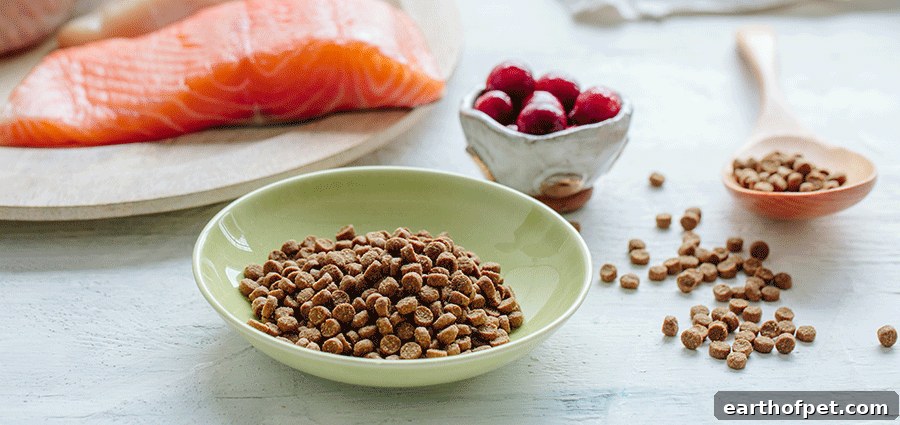
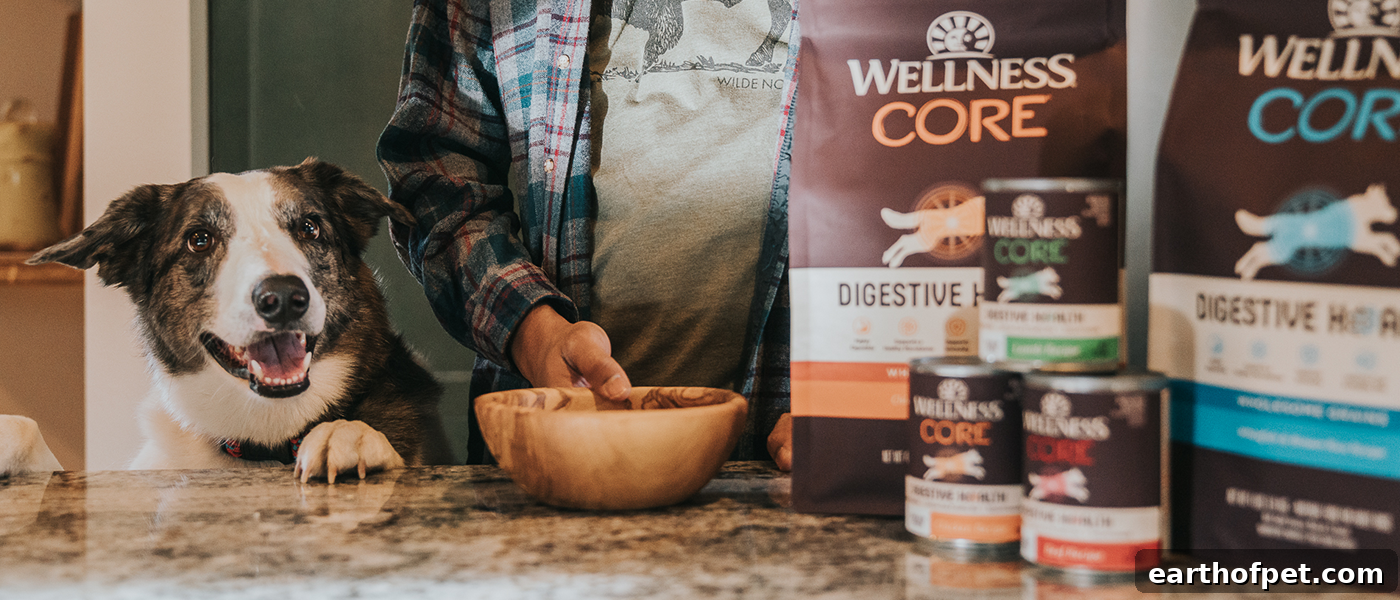
A balanced diet is essential for healthy skin and fur. Pets lacking in high-quality protein, omega-3 and omega-6 fatty acids, or certain vitamins may be prone to dandruff and hair loss. Choosing food formulated for skin and coat health can make a noticeable difference over time.
Common Signs of Dry Skin in Pets
Recognizing dry skin early helps prevent discomfort and secondary problems. Look for:
- Small white flakes on the coat (dandruff)
- Excessive scratching, licking, or chewing
- Dull, brittle, or thinning hair
- Red, irritated, or scaly patches on the skin
- Localized hair loss or persistent hotspots
If these signs persist or are accompanied by other symptoms—such as changes in appetite, weight, or behavior—consult your veterinarian to rule out allergies, infections, or metabolic conditions.
Common Causes of Dandruff and Dry Skin
Dry skin can stem from simple environmental causes or underlying health issues. Common contributors include:
1. Environmental Factors
Low indoor humidity, cold wind, rapid temperature fluctuations, and exposure to irritants can all dry the skin and cause flaking.
2. Nutritional Deficiencies
Diets low in essential fatty acids, high-quality protein, or key vitamins and minerals often show up as poor coat condition. Foods formulated for skin and coat support—rich in omega fatty acids and balanced protein—can help restore shine and reduce flakes.
3. Allergies
Pets can suffer seasonal allergies to pollen, mold, or dust mites. Allergic reactions frequently produce itching, redness, and dandruff. If you suspect allergies, work with your vet to identify triggers and appropriate treatments.
4. Medical Conditions
Underlying health problems—such as thyroid imbalances, parasitic infections, or fungal/bacterial skin infections—may cause severe or chronic dandruff. A veterinary exam and possible diagnostic tests are important for persistent or worsening cases.
How to Treat and Prevent Dry Skin
Addressing dry skin typically involves a combination of grooming, diet, and environmental adjustments. Here are effective, practical steps:
1. Groom Regularly
Routine brushing removes dead hair and distributes the skin’s natural oils, helping to reduce flakes and improve coat texture. Choose brushes appropriate to your pet’s coat type and brush more frequently during shedding seasons.
2. Improve Nutrition
Switching to a high-protein diet with added omega-3 and omega-6 fatty acids often improves skin and coat over several weeks. Consider quality food formulated specifically for skin and coat health, and discuss supplements with your veterinarian before adding them to your pet’s diet.
3. Use Gentle, Moisturizing Shampoos
Bathing with a moisturizing, pet-safe shampoo can soothe irritated skin and reduce flakes. Avoid over-bathing—frequent baths can strip natural oils. Most dogs and cats do well with a bath every 4–6 weeks unless your veterinarian advises otherwise. For puppies or very sensitive animals, choose a shampoo formulated for young or delicate skin.
4. Maintain a Humid Home
Running a humidifier in rooms where your pet spends time helps maintain skin moisture during dry months. Even modest humidity increases can reduce flaking and soothe skin irritation.
Special Considerations for Dogs
Dogs with short or thin coats may show flaky skin more readily. For these breeds, in addition to grooming and diet, occasional medicated baths or topical treatments recommended by a veterinarian can help control persistent dandruff. Ensure your dog stays well-hydrated and receives regular wellness checks to catch nutritional or endocrine issues early.
Special Considerations for Cats
Cats groom themselves extensively, which can make it harder to spot the source of dandruff. High-protein diets and moisture-rich foods or toppers can support skin and fur health. Regular brushing helps distribute oils and remove loose fur; if dandruff continues despite good care, a veterinary exam is advised to rule out parasites, allergies, or skin infections.
Tips for Year-Round Coat Health
- Balanced Diet: Feed high-quality food with sufficient protein and omega fatty acids.
- Regular Grooming: Brush according to coat type and groom more during seasonal shedding.
- Hydration: Provide fresh water at all times and consider moisture-rich foods if appropriate.
- Controlled Environment: Use humidifiers in dry seasons and limit exposure to harsh elements.
- Vet Checkups: Schedule regular veterinary exams to catch skin, allergy, or nutritional issues early.
Related Resources
- Information on seasonal allergies and how they affect pets’ skin and coat
- Ideas for food toppers and supplements that support skin and coat health
- Guidance on choosing digestible, skin-supportive pet foods
Conclusion
Seasonal dry skin and dandruff are common in fall, but they can usually be managed with better hydration, grooming, and nutrition. Pay attention to signs like flaking, itching, and dull fur, and take proactive steps—adjust diet, groom regularly, moisturize the skin when needed, and control indoor humidity. When problems are severe or persistent, consult your veterinarian to check for allergies or medical conditions. With consistent care, your pet’s coat can stay healthy, shiny, and comfortable through the cooler months and all year long.