Why Your Dog Is Aggressive Over Toys and How to Stop It
Hello there, fellow pet parents! I'm Dr. Edward Hale, and for the past 15 years, I've had the privilege of working with countless dogs and their loving families, helping them navigate the wonderful, sometimes challenging, world of canine companionship. One common concern that often brings owners into my clinic is when their beloved dog suddenly starts showing aggression over toys.
It can be a truly unsettling experience. You're playing fetch, everything is fine, and then your dog suddenly growls, snarls, or even snaps when you try to retrieve the toy. Or perhaps they become agitated when another dog approaches their favorite chew. This isn't just "being possessive"; it’s a behavior known as resource guarding, and while it's a natural instinct, it's something we absolutely need to address for the safety and harmony of your home.
In this comprehensive guide, we'll dive deep into understanding why your dog might be aggressive over toys, the subtle and overt signs to watch for, and most importantly, practical, effective strategies to help them learn to share happily and safely. Remember, every dog is an individual, and with patience, consistency, and the right approach, we can help them overcome this challenging behavior.
Understanding Resource Guarding: Why Dogs Guard Their Toys
At its core, resource guarding is an instinctual behavior deeply rooted in canine psychology. In the wild, animals must protect valuable resources – food, mates, safe dens, and yes, even prized possessions – to survive. While our domesticated dogs live in comfortable homes with abundant resources, this primal drive can still surface, especially when they perceive a threat to something they highly value.
When your dog exhibits aggression over a toy, they're essentially saying, "This is mine, and I feel threatened that you might take it." It's not about malice; it's often about fear, insecurity, or a learned behavior that has inadvertently been reinforced over time. Let's explore some common reasons behind this behavior:
- Natural Instinct: As mentioned, guarding resources is a survival trait. Some dogs simply have a stronger genetic predisposition to this instinct than others.
- Fear or Insecurity: A dog who feels insecure or anxious might guard resources more intensely. This could stem from past negative experiences, such as having toys snatched away forcefully, or simply a general anxiety about their environment.
- Learned Behavior: Sometimes, owners unknowingly reinforce guarding behavior. If a dog growls and the owner backs off, the dog learns that growling effectively keeps the "threat" (the owner) away from the desired item. This makes it more likely they will growl again.
- Lack of Early Socialization: Puppies who don't learn appropriate sharing from their littermates or through early positive experiences might struggle with resource guarding later in life. They haven't learned the social etiquette of sharing.
- High-Value Items: Not all toys are created equal in a dog's eyes. A specific squeaky toy, a long-lasting chew, or a particular ball might hold immense value, triggering guarding behavior that wouldn't occur with other, less favored items. This is often seen in resource guarding in dogs over specific toys.
- Stress or Anxiety: Underlying stress, changes in routine, new pets or people in the home, or even medical issues can heighten a dog's general anxiety levels, making them more prone to guarding behavior.
- Medical Issues: While less common for toy guarding specifically, pain or discomfort can make a dog more irritable and prone to aggression. Always rule out medical causes, especially if the aggression is sudden or atypical.
Recognizing the Signs of Toy Aggression
Understanding your dog's body language is paramount, especially when dealing with aggression. Resource guarding rarely escalates to a bite without a series of warning signals. Being able to read these signals can help you intervene safely and effectively. The signs often follow a progression:
- Subtle Warnings:
- Stiffening of the Body: Your dog might freeze or become rigid when you approach their toy.
- Hard Stare: Direct, unwavering eye contact, often accompanied by a lowered head.
- Moving Away: Picking up the toy and moving to a secluded spot.
- Hoarding: Gathering all toys into a pile.
- Placing a Paw Over the Item: Physically covering the toy.
- Quick Sniff/Lick: A very quick sniff or lick of the toy, often with tension in their body.
- Clearer Warnings:
- Low Growl: A low, rumbling sound. This is a crucial warning signal and should never be punished, as it tells you your dog is uncomfortable.
- Lip Lick/Yawn (out of context): These are often stress signals.
- Whale Eye: You can see the whites of their eyes, indicating stress or fear.
- Showing Teeth: A slight lifting of the lip, revealing teeth.
- Escalated Behavior:
- Snarl: A more intense show of teeth, often accompanied by a louder growl or wrinkled nose.
- Snap: A quick lunge or bite that doesn't make full contact, or makes very light contact. This is a warning shot.
- Bite: Making contact, potentially breaking skin.
Ignoring the early, subtle warnings can lead to an escalation of behavior, which is why early intervention is key. If you are noticing your dog exhibiting these signs, especially why is my dog aggressive with toys towards me, it’s time to take action.
How to Stop It: A Step-by-Step Approach to Training Your Dog to Share
Addressing toy aggression requires a consistent, positive reinforcement-based approach. The goal isn't to punish your dog for guarding but to teach them that your approach to their valued items always leads to something better, making them want to share. Remember, safety first! Never put yourself or others in harm's way.
Step 1: Prioritize Safety and Management
Before any training begins, you must manage the environment to prevent incidents. This is crucial for preventing puppy toy aggression issues and stopping adult dogs from practicing the unwanted behavior.
- Identify Triggers: Pay close attention to what toys, when, and where your dog guards. Is it only high-value chews? Is it when another dog approaches? Is it only in a specific room?
- Remove High-Value Items: For now, remove any toys that consistently trigger guarding behavior. Only offer them when you can closely supervise, or not at all until training progresses.
- Supervision: All interactions with toys, especially high-value ones, should be closely supervised.
- Separate Dogs: If your dog guards toys from other pets, separate them during playtime or when chews are present. This helps in managing dog aggression when playing with toys between multiple dogs.
- Avoid Direct Confrontation: Do not try to forcefully take a toy from a guarding dog. This will only reinforce their fear and potentially lead to a bite.
Step 2: Teach the "Trade Up" Game (Foundation of Sharing)
This is arguably the most important technique for how to stop dog toy guarding behavior. The goal is to teach your dog that giving up a toy means they get something even better in return.
- Start with Low-Value Toys: Begin with toys your dog isn't intensely attached to, or even something less appealing than a treat.
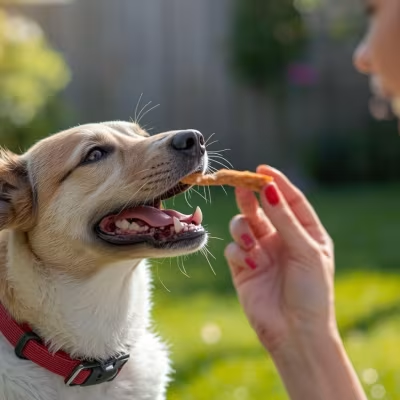
- Approach and Offer: When your dog has the toy, calmly approach with a truly irresistible, high-value treat (e.g., a piece of cooked chicken, cheese, or hot dog).
- Say "Trade!": As you offer the treat, say "Trade!" Your dog will likely drop the toy to take the treat.
- Reward and Retrieve: As they eat the treat, pick up the toy. Immediately give the toy back (or offer a different, equally appealing toy). This teaches them that giving up an item doesn't mean losing it forever.
- Repeat and Generalize: Practice this multiple times a day in short, positive sessions. Gradually increase the value of the toys you ask them to trade.
Pro Tip: Always have a supply of "super high-value" treats on hand for this exercise. The treat must be better than the toy in your dog's estimation.
Step 3: Desensitization and Counter-Conditioning
This method changes your dog's emotional response to your presence when they have a toy from negative (fear, threat) to positive (excitement, reward).
- The "Approach and Drop" Game:
- While your dog is playing with a low-value toy, casually walk by and drop a high-value treat near them, but not so close that you provoke a guard. Keep moving.
- Repeat this many times, gradually getting a bit closer each time you drop the treat.
- The goal is for your dog to associate your approach with good things happening, rather than a threat to their toy.
- Eventually, you want them to look up at you expectantly when you approach, knowing a treat is coming.
- Practice "Drop It" and "Leave It":
- "Drop It": Teach your dog to release items on command. Start with the "Trade Up" game, but add the verbal cue "Drop It" just as they release the toy for the treat. Reward heavily. Practice with various items.
- "Leave It": This command is crucial for preventing guarding before it starts. Teach your dog to ignore an item even if it's right in front of them. Start with a treat on the floor, cover it with your hand, say "Leave It." When they look at you, reward with a different treat. Gradually uncover the item, increasing the distraction level.
Step 4: Environmental Enrichment and Exercise
A physically and mentally tired dog is generally a happier, less anxious dog. This reduces the likelihood of guarding behaviors.
- Plenty of Toys: Ensure your dog has access to a variety of toys, rotating them to keep interest high. This reduces the perception of scarcity.
- Puzzle Toys: Engage their minds with interactive puzzle toys that dispense treats. This provides mental stimulation and can lower boredom.
- Regular Exercise: Daily walks, runs, or play sessions are essential. A dog with pent-up energy is more likely to be stressed and exhibit unwanted behaviors.
Common Mistakes to Avoid
When working to modify aggressive behavior, certain actions can inadvertently make the problem worse:
- Punishing Growling: A growl is a warning. Punishing your dog for growling teaches them that warnings are unacceptable, potentially leading them to skip the warning and go straight to biting. You're effectively "silencing the alarm."
- Forcibly Taking Toys: This directly confirms your dog's fear that you will steal their resources, escalating their guarding behavior and damaging trust.
- Ignoring Early Warning Signs: As discussed, aggression rarely comes out of nowhere. Missing the subtle cues allows the behavior to fester and escalate.
- Inconsistency: All members of the household must use the same training methods consistently. Inconsistent responses confuse your dog and slow progress.
- Expecting Instant Results: Behavior modification takes time, patience, and repetition. Don't get discouraged if you don't see immediate changes.
- Using Only One High-Value Toy: If a dog only has one "special" toy, their drive to guard it will be much higher. Providing variety can help.
Dr. Hale's Pro Tips from Clinical Experience
Based on my years in practice, here are a few insights I always share with owners grappling with resource guarding:
- Start Young: The earlier you begin teaching "trade" and "drop it" to puppies, the better. Puppy socialization classes often include exercises to help with sharing and prevent guarding from developing.
- Be a Predictor of Good Things: Your presence near a toy should always result in something positive for your dog. Never approach with the intent to take something away without offering an acceptable trade. This is key to training a dog to share toys without aggression.
- Understand Your Dog's Specific Triggers: Some dogs might only guard a specific type of toy, like a stuffed animal, while others might guard any toy when another dog is present. Tailor your management and training to these specific triggers.
- Keep Sessions Short and Positive: Training should be fun and stress-free for your dog. End on a high note before either of you gets frustrated.
- Never Blame the Dog: Resource guarding is a natural behavior, not a moral failing. Your dog isn't "bad" or "mean"; they're simply acting on instinct. Our job is to guide them towards more appropriate behaviors.
- Consider Professional Help Early: If you're struggling, feeling unsafe, or if the aggression is escalating, don't hesitate. A certified professional dog trainer or veterinary behaviorist can provide tailored guidance and hands-on support.
When to See a Vet or Professional Trainer
While many cases of mild toy aggression can be managed at home with consistent training, there are clear instances where professional intervention is necessary for the safety of everyone involved.
- Sudden Onset of Aggression: If your dog's behavior changes dramatically and quickly, a vet visit is crucial to rule out any underlying medical conditions or pain that could be causing the aggression.
- Escalation of Severity: If the growling progresses to snarling, snapping, or especially biting (even if it's just a warning nip), it's time to seek professional help. If you're wondering what to do if your dog bites over a toy, the answer is immediately consult a professional.
- Aggression Directed at Humans: Any aggression towards humans, particularly children, is a serious concern and warrants immediate professional assessment by a certified trainer or veterinary behaviorist.
- Fear or Safety Concerns: If you feel unsafe in your own home, or are afraid to interact with your dog around toys, you need expert guidance.
- Lack of Progress: If you've been diligently applying positive reinforcement techniques for several weeks and see no improvement, or if the behavior seems to be worsening, a professional can offer new strategies.
- Aggression Towards Other Pets: If the guarding behavior is causing fights or significant stress among household pets, a professional can help mediate and train.
A board-certified veterinary behaviorist specializes in these complex issues and can often prescribe medication if anxiety or fear is a significant underlying factor, alongside behavior modification plans.
Frequently Asked Questions (FAQ)
Q: Can I just take the toy away if my dog growls?
A: No, forcibly taking the toy away can reinforce your dog's fear that you are a threat to their resources, potentially escalating their guarding behavior in the future. It's much safer and more effective to teach a "trade" or "drop it" command using high-value treats.
Q: Is it ever safe to let my dog guard a toy from another dog?
A: Generally, no. Allowing one dog to guard from another can lead to fights, injury, and increased tension in the household. It's best to manage the environment by separating dogs during playtime with high-value items or training them to share appropriately using the methods described above.
Q: What if my dog guards me when I play with toys, not just the toy itself?
A: This is still a form of resource guarding, but the guarded "resource" is your attention or presence, often in combination with the toy. The same principles of "trade up" and desensitization apply. You need to teach your dog that other dogs or people approaching when you're playing means good things happen, like extra treats or even more exciting play, not a threat.
Q: How long does it take to stop toy aggression?
A: The timeline varies greatly depending on the dog's history, the severity of the guarding, the consistency of the training, and your dog's individual personality. Some dogs show improvement in a few weeks, while others with deeply ingrained behaviors may require several months of dedicated work. Patience and consistency are your best tools.
Conclusion
Dealing with a dog who is aggressive over toys can be stressful and worrisome, but please know that it's a common behavior, and with the right approach, it is absolutely manageable. By understanding the roots of resource guarding, recognizing the warning signs, and applying consistent, positive reinforcement training techniques, you can help your dog feel more secure and learn to share without fear.
Remember, building trust and a positive relationship with your dog is the cornerstone of all successful behavior modification. Be patient, be kind, and celebrate every small victory. If you ever feel overwhelmed or unsafe, please reach out to a professional. Your veterinarian or a certified professional dog trainer is an invaluable resource in ensuring a happy, safe, and harmonious home for you and your beloved canine companion.

0 Comments
No comments yet. Be the first to share your thoughts!
Leave a Comment