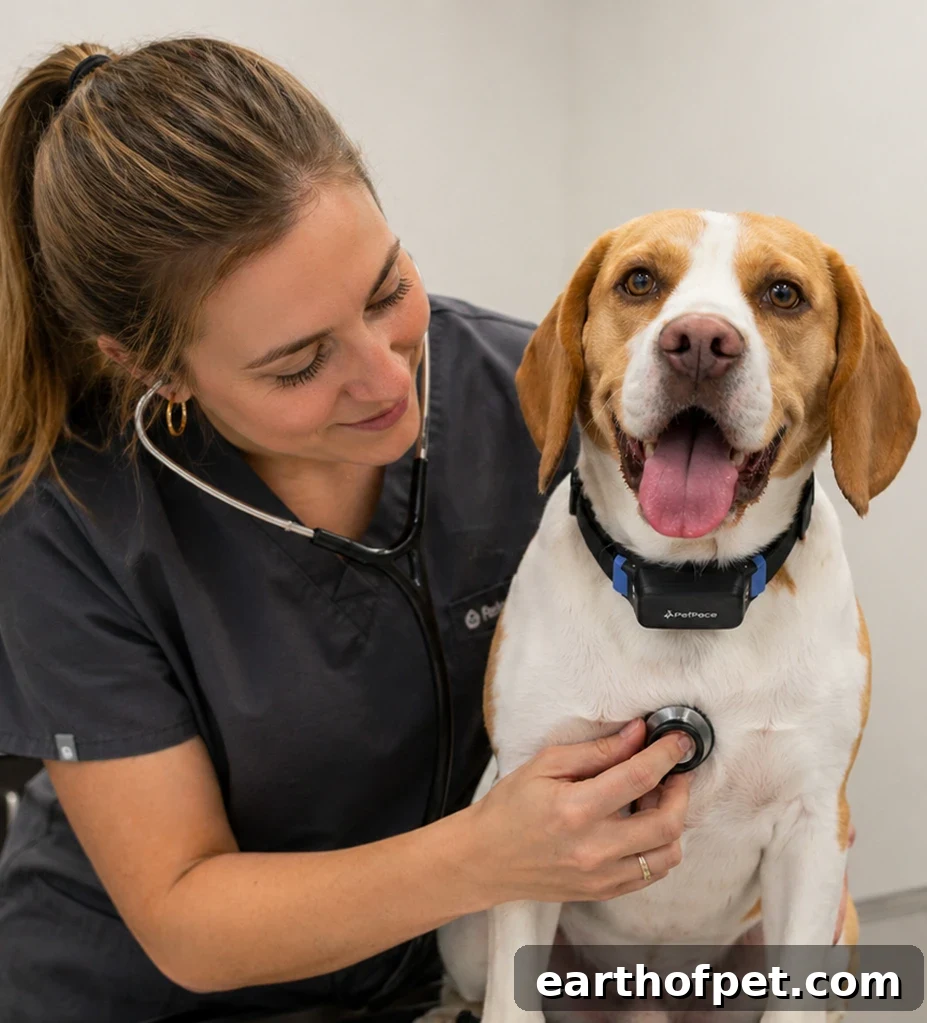
Celebrated every February, National Pet Dental Health Month was established by the American Veterinary Medical Association to raise awareness of how essential oral health is to your pet’s overall wellbeing. Many pet owners do not brush their dogs’ teeth daily; estimates suggest only a small percentage take that step despite clear recommendations from veterinarians. Because daily brushing can be difficult to maintain, proven supplemental dental chews have become an important and practical part of many dogs’ oral care routines.
Why Dog Dental Care Matters
Good dental care is vital for dogs just as it is for people. Poor oral hygiene can lead to plaque and tartar buildup, gum inflammation, bad breath, and periodontal disease. Left untreated, oral infections and chronic inflammation can contribute to more serious systemic problems, potentially affecting the heart, lungs, and kidneys. Caring for your dog’s teeth and gums reduces pain, helps preserve healthy teeth, and supports long-term wellness.
When Dental Problems Often Begin
Periodontal disease is one of the most common issues dogs face. Veterinarians report that many dogs show signs of plaque and gum disease at a young age; it is not uncommon for periodontal changes to be present by the time a dog reaches three years old. Early prevention and routine monitoring are the best ways to limit progression and avoid the need for more invasive treatments later on.
Effective Ways to Prevent Dental Disease
An active prevention plan is the best defense against dental disease. The foundation of that plan is daily teeth brushing using a pet-safe toothpaste and a soft-bristled brush or finger brush. When daily brushing isn’t feasible, adding a daily dental chew that is designed to reduce plaque and tartar can provide meaningful benefits. These chews help mechanically remove buildup while offering a tasty, rewarding experience for your dog.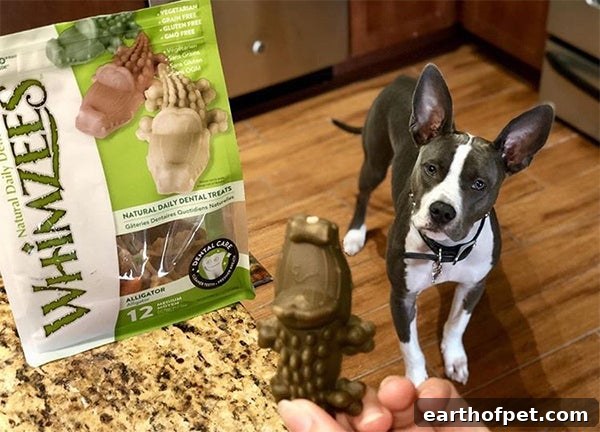
Choosing the Right Dental Chew
When selecting a dental chew, evaluate it much like you would your dog’s food. Consider ingredient quality, transparency, and whether the product has verified claims for safety and efficacy. Look for chews made from premium, limited ingredients, without artificial colors, flavors, or preservatives. For dogs with sensitivities, options that are grain- or gluten-free and made with straightforward ingredients can be a better choice.

Look for Scientifically Backed Benefits
Where possible, choose dental chews that are supported by independent testing or scientific studies demonstrating plaque and tartar reduction. Pay attention to appropriate sizing for your dog—chews that are too small can present a choking risk, while excessively hard products can damage teeth. Many trusted dental chews on the market combine mechanical action with ingredient choices that help freshen breath and support gum health.
How to Integrate Dental Care into Daily Life
Daily brushing remains the gold standard for maintaining oral health, but a daily dental chew is a valuable and realistic complement. Make oral care part of your routine by offering a chew after meals, supervising the initial sessions until you are confident with the product, and adjusting portion sizes to account for calories. Regular veterinary dental check-ups are essential; your veterinarian can assess oral health, perform professional cleanings when necessary, and advise on the best products for your dog.
Safety Tips and Practical Advice
Introduce any new chew gradually and watch for signs of intolerance or digestive upset. Avoid giving chews to dogs with known broken teeth or unstable dental conditions without consulting your veterinarian first. Always select a chew that matches your dog’s size, chewing strength, and age. Store chews in a cool, dry place and follow package guidance for frequency and duration of use.
Make Oral Health a Priority
Prioritizing dental care supports better breath, healthier gums, and stronger teeth—and it contributes to your dog’s overall quality of life. Whether you commit to daily brushing, supplement with a trusted dental chew, or combine both approaches, consistent attention to oral hygiene helps prevent pain and serious health issues down the road. Speak with your veterinarian to create a dental care plan tailored to your dog’s needs and enjoy the benefits of a happier, healthier companion.