Dogs are curious eaters and will often sample whatever they can reach. If something looks or smells remotely edible, a dog may gobble it up before you can say “drop it.” As a result, upset stomachs are among the most common unexpected reasons pet owners visit the veterinarian. While no one wants to see their dog experience diarrhea, vomiting, constipation, or other digestive troubles, recognizing the signs of an upset stomach is the first step toward helping your pet feel better.
What Is a Digestive Stomach Upset?
A digestive, or gastrointestinal, upset refers to any condition that disrupts the stomach and intestines’ ability to properly digest food and absorb nutrients. These disruptions can be temporary and mild or more serious and persistent, depending on the cause and how quickly they are addressed.
What Is Healthy Digestion?
Healthy digestion allows your dog to extract the nutrients needed for energy, growth, repair, and overall wellbeing. A well-functioning digestive system also supports immune health, maintains a healthy skin and coat, and contributes to vitality. Keeping digestion healthy is a core part of preserving your dog’s long-term health.
Upset Stomach in Dogs – Symptoms:
- Vomiting
- Diarrhea
- Constipation
- Lethargy
- Weight loss
If your dog shows signs of distress, is vomiting repeatedly, has bloody stool, becomes very lethargic, or if symptoms do not improve within 24–48 hours, contact your veterinarian. A professional exam and diagnostic testing can identify the cause and guide appropriate treatment to restore your dog’s health.
Upset Stomach in Dogs – Causes:
Digestive problems can arise from many different sources, and sometimes the underlying cause can be difficult to determine. Disorders may originate anywhere along the digestive tract—from the mouth and stomach to the liver, pancreas, and intestines. Common causes include:
- Sudden changes in diet
- Dietary indiscretions (eating trash, table scraps, or foreign objects)
- Intestinal parasites
- Food allergies or sensitivities
- Ingested foreign objects
- Exposure to toxins or poisonous foods
- Bacterial, viral, or fungal infections
- Side effects of medications
- Genetic predispositions or chronic conditions
When left untreated or when problems become chronic, dogs can develop dehydration, electrolyte imbalances, weight loss, and impaired nutrient absorption that may progress to malnutrition. Early veterinary assessment and ongoing monitoring are essential to prevent complications and improve outcomes.
Upset Stomach in Dogs – Treatments and How You Can Help:
Although you cannot prevent every possible digestive upset, there are practical steps you can take to reduce risk and support recovery when problems occur.
What to Feed a Dog with an Upset Stomach:
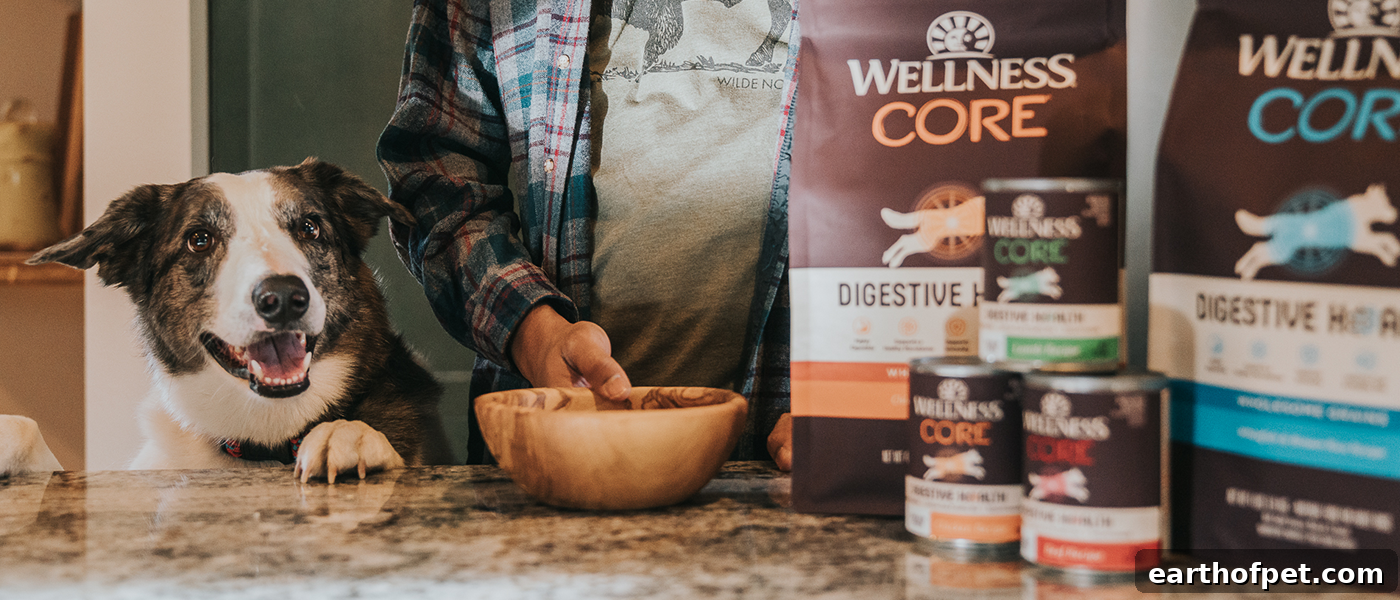
Providing a consistent, high-quality diet is the best foundation for digestive health. When a dog has a sensitive stomach, highly digestible foods formulated to support gut health can reduce the frequency and severity of digestive upsets. Look for diets that include probiotics, prebiotic fibers, and digestive enzymes, which help maintain a healthy intestinal microbiome and support nutrient absorption.
When introducing a new food, transition slowly over several days to a week by mixing increasing amounts of the new food with the current diet. Sudden changes in moisture content, fat level, fiber, or calories can lead to loose stools or vomiting.

Treating an Upset Stomach
- Gradual diet transitions: When switching foods, mix the new food with the current food and increase the proportion over several days. This reduces the chance of stool changes or diarrhea caused by abrupt dietary differences.
- Support the gut microbiome: Choose foods or supplements that contain prebiotics and guaranteed probiotics to support the balance of microorganisms in your dog’s intestinal tract. A balanced microbiome can help prevent digestive upsets and aid recovery after antibiotics or dietary indiscretions.
- Monitor what your dog eats outdoors: Keep an eye on your dog during walks and discourage scavenging. Many digestive upsets are triggered by small items, spoiled foods, or foreign objects found outside.
- Keep hazardous items out of reach: Store household trash, leftover food, and potentially indigestible materials where your dog cannot access them. Preventing access to toxic foods and dangerous objects is a key step in avoiding emergencies.
- Seek veterinary care when needed: If your dog’s symptoms are severe, persist, or worsen, consult your veterinarian. Treatment will depend on the cause and severity of the condition and may include fluids, medications to control vomiting or diarrhea, dietary changes, deworming, or further diagnostics.
By feeding a consistent, high-quality diet, preventing access to harmful substances, and seeking prompt veterinary care when symptoms arise, you can help minimize digestive upsets and support your dog’s overall health. Always follow your veterinarian’s guidance for diagnosis and treatment tailored to your dog’s specific needs.