Why Is My Cat Not Eating? Causes and Solutions
Cats typically maintain consistent eating habits, making changes in appetite a significant signal requiring investigation. When a normally enthusiastic eater suddenly shows disinterest in food, it warrants attention. Appetite loss can indicate minor issues or serious health conditions, making prompt evaluation essential. This guide explores common causes of appetite loss in cats and outlines appropriate responses, helping you determine whether home care or veterinary intervention is necessary.
Medical Causes of Appetite Loss
Gastrointestinal Issues
Gastrointestinal disorders frequently cause appetite loss. Gastroenteritis, inflammation of the stomach and intestines, develops from bacterial or viral infections, dietary changes, or food sensitivities. Cats with gastroenteritis often show vomiting, diarrhea, or abdominal discomfort alongside appetite loss.
Constipation, surprisingly common in cats, reduces appetite as the intestinal blockage causes discomfort and nausea. Cats experiencing constipation strain during defecation, produce hard or infrequent stools, or show behavioral changes. This condition requires veterinary intervention, as severe constipation can be life-threatening.
Inflammatory bowel disease (IBD) causes chronic inflammation in the digestive tract, leading to poor appetite, vomiting, diarrhea, and weight loss. Diagnosis typically requires veterinary evaluation and may involve ultrasound or endoscopy.
Oral and Dental Disease
Dental problems significantly impact appetite. Tooth decay, gum disease, loose teeth, and oral infections cause pain during eating, reducing appetite or causing cats to eat reluctantly. Some cats stop eating entirely if dental pain is severe enough.
Oral masses or mouth sores from stomatitis also cause eating difficulties. Cats with oral issues may salivate excessively, paw at their mouths, or show bad breath. Dental disease affects cats at all ages but becomes more common in older cats.
Systemic Infections
Systemic infections including upper respiratory infections, urinary tract infections, or more serious conditions like feline leukemia virus (FeLV) or feline immunodeficiency virus (FIV) cause generalized malaise and appetite loss. These infections often accompany fever, lethargy, or other clinical signs.
Kidney Disease
Chronic kidney disease commonly affects aging cats and frequently causes appetite loss. As kidney function declines, uremic toxins accumulate, causing nausea and reduced appetite. Affected cats often drink more water and urinate more frequently. This progressive disease requires early detection and management to slow progression.
Hyperthyroidism
Unexpectedly, hyperthyroidism—excessive thyroid hormone—sometimes causes appetite loss despite increased metabolism. More commonly, hyperthyroid cats eat excessively while losing weight. However, some cats show decreased appetite. This condition requires veterinary diagnosis through blood testing.
Pancreatitis and Liver Disease
Inflammation of the pancreas (pancreatitis) or liver disease causes severe appetite loss, vomiting, and abdominal pain. These conditions develop acutely or chronically and require urgent veterinary evaluation.
Behavioral and Environmental Causes
Stress and Anxiety
Cats are sensitive to environmental changes. Household stress, new pets, moving, loud noises, or changes in routine can trigger appetite loss. Cats experiencing anxiety may also hide, vocalize excessively, or exhibit behavioral changes. Identifying and addressing stressors helps restore appetite.
Food-Related Issues
Food preferences change over time. Cats may refuse food if:
- Food has been sitting out and becomes stale
- Food temperature is inappropriate (cats prefer slightly warm or room-temperature food)
- Food smell is off-putting (some cats dislike strong-smelling foods)
- A previous negative experience occurred near the food bowl
Changesin food brand or type sometimes trigger appetite loss. Cats can be finicky about flavors and textures. If switching foods, gradual transitions over 7-10 days ease adjustment and prevent digestive upset.
Recent Medication or Vaccination
Some medications cause nausea or appetite loss as side effects. Similarly, vaccines occasionally trigger mild appetite loss for 24-48 hours after administration. However, prolonged appetite loss following medication or vaccination warrants veterinary evaluation.
Medication for Other Conditions
If your cat takes medications for chronic conditions, appetite loss might indicate medication side effects or improper dosing. Consult your veterinarian before discontinuing medication, but discuss appetite changes.
When to Seek Veterinary Care
Immediate Emergency Care
Contact an emergency veterinary clinic immediately if your cat shows:
- Complete appetite loss for more than 24 hours
- Appetite loss with vomiting or diarrhea
- Lethargy or behavioral changes alongside appetite loss
- Abdominal pain or distention
- Difficulty eating or excessive drooling
These signs suggest serious conditions requiring urgent evaluation. Don't wait to see your regular veterinarian—seek emergency care immediately.
Schedule an Appointment
Schedule a prompt veterinary appointment if your cat shows mild appetite loss without other urgent signs. However, don't delay if appetite loss persists beyond 24-48 hours.
Home Care for Mild Appetite Loss
If your cat shows mild appetite loss without concerning signs, home care measures may help:
Environmental Adjustment: Ensure the food bowl is in a quiet, accessible location away from the litter box. Keep the bowl clean, and provide fresh food and water daily.
Food Temperature: Warm food slightly to enhance aroma and palatability. Many cats prefer warm or room-temperature food to cold food straight from the refrigerator.
Food Variety: Offer different food types or flavors to stimulate appetite. Mix wet and dry food, or try different protein sources.
Stress Reduction: Identify potential stressors and minimize them. Provide a safe space where your cat can retreat, maintain consistent routines, and avoid unnecessary changes.
Hydration: Ensure fresh water is always available. Some cats prefer running water (from fountains) to still water.
Diagnostic Evaluation at the Veterinary Clinic
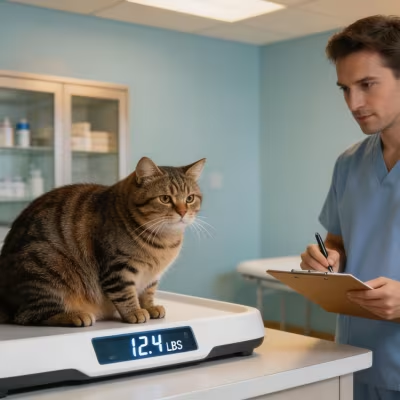
Your veterinarian will perform physical examination, checking your cat's weight, body condition, temperature, and overall health. They'll palpate the abdomen to identify pain or abnormalities.
Blood work including complete blood count and chemistry panel screens for infections, organ dysfunction, and metabolic abnormalities. Urinalysis provides additional information about kidney function and urinary tract health.
Additional testing such as ultrasound, X-rays, or specialized blood tests depends on initial findings and your cat's age and health history.
Treatment Approaches
Treatment depends on underlying cause. Dental disease requires cleaning or extraction. Gastrointestinal infections resolve with supportive care and medication. Chronic conditions like kidney disease or IBD require long-term management. Hyperthyroidism responds well to medication or radioactive iodine therapy.
In some cases, appetite stimulant medications help restart eating until underlying issues resolve. Supportive care including subcutaneous fluids may be necessary if cats become dehydrated.
Long-Term Appetite Management
For cats with chronic appetite loss, work with your veterinarian to optimize nutrition. Therapeutic diets designed for specific conditions often improve appetite and health outcomes. Digestive supplements may help cats with gastrointestinal issues.
Regular veterinary monitoring ensures early detection of changes and allows medication adjustments as needed. Your commitment to consistent care significantly improves outcomes for cats with chronic conditions.
Prevention Strategies
While not all appetite loss is preventable, certain measures reduce risk. Maintain dental health through regular brushing and professional cleanings. Provide consistent, appropriate nutrition. Minimize stress through environmental enrichment and routine consistency. Keep your cat current on vaccinations and parasite prevention. Schedule regular veterinary checkups to catch early signs of disease.
Appetite changes warrant investigation and prompt action. Your cat depends on you to recognize these signals and respond appropriately. With veterinary partnership and attentive home care, most appetite issues resolve successfully, allowing your cat to return to normal eating habits and good health.



0 Comments
No comments yet. Be the first to share your thoughts!
Leave a Comment