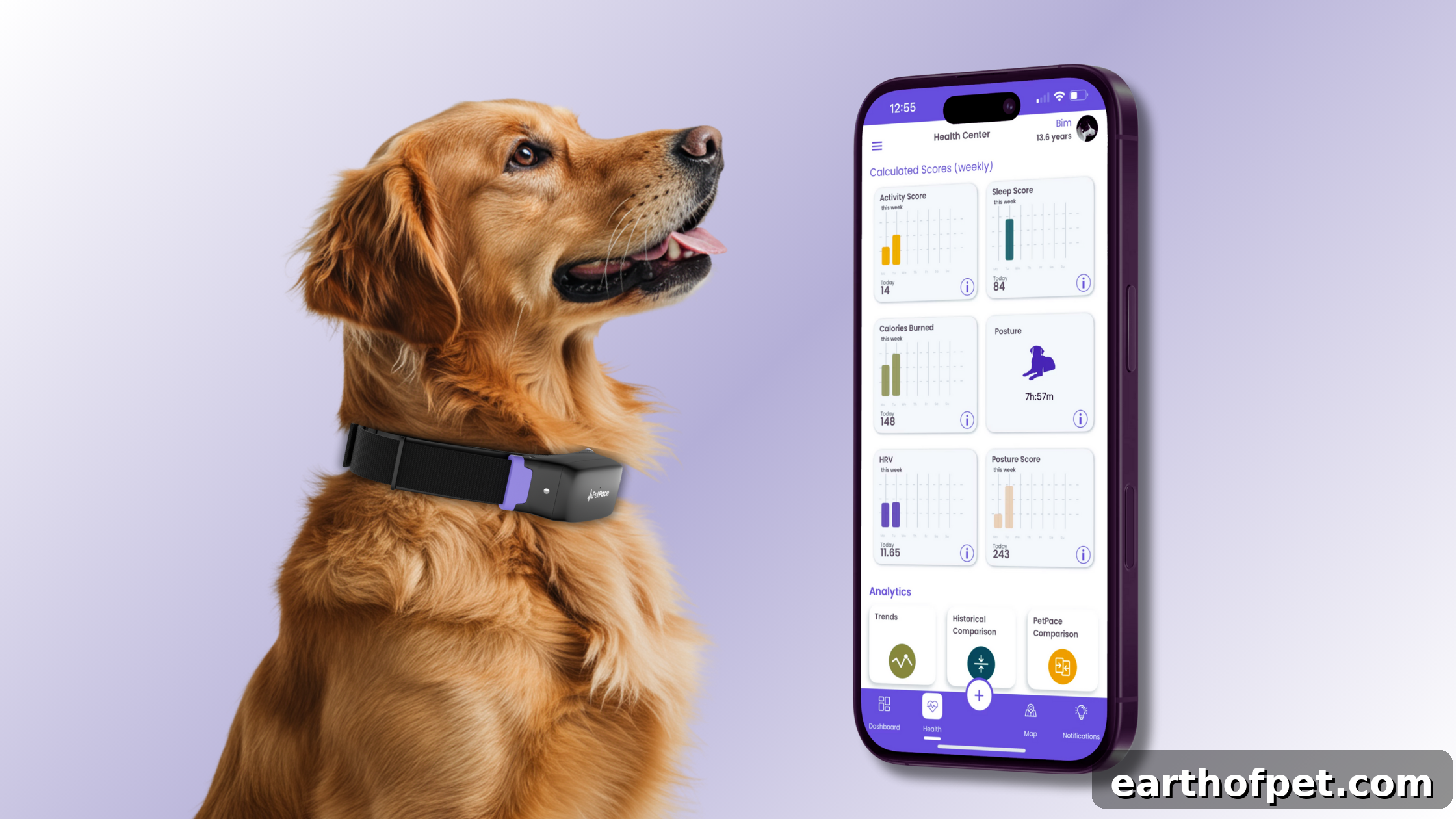
Tracking anxiety in dogs is challenging because stress often builds slowly, outward behaviors can look like ordinary “behavior problems,” and most pet owners can’t see what’s happening inside their pet’s body. Veterinarians also lack continuous, objective data about how often anxiety episodes occur and how severe they are. The PetPace V3 anxiety and stress monitoring capabilities help close this gap by continuously tracking vital signs and activity patterns, producing objective insights and alerts that can be shared with your veterinarian.
The Hidden Struggle: Why Traditional Anxiety Tracking Fails
Helping a dog with anxiety can feel like guesswork. Many dogs don’t show clear signs until their stress level is already high, and anxiety episodes frequently occur when owners aren’t present. This creates a data gap: pet parents typically observe behaviors, while veterinarians need physiological context to understand what’s really happening and recommend the right interventions. With better data, owners and vets can take practical steps to reduce anxiety and support a dog’s emotional wellbeing.
The 3 Reasons Tracking Dog Anxiety Is So Hard
1) Stress Often Builds Before You Notice It
Anxiety rarely appears suddenly with dramatic symptoms. It usually begins as small changes—restlessness, pacing, mild panting, or increased clinginess—and then escalates depending on the trigger. Common triggers include separation anxiety, loud noises like thunder or fireworks, changes in routine or environment, visitors or travel, vet visits and grooming, and the introduction of new pets or family members. By the time an owner notices obvious signs, the episode may be well underway and more difficult to manage.
2) Anxiety Symptoms Can Look Like “Behavior Problems”
Many anxious behaviors are easy to misinterpret without health context. Stress can be mistaken for stubbornness, poor training, or bad habits when the underlying cause is emotional or medical. Typical signs of anxiety include excessive barking or whining, destructive behavior, hiding or freezing, panting or shaking, accidents in the house, over-grooming or licking paws, and hyperactivity or inability to settle. The same dog may show very different symptoms depending on the trigger and the environment, which makes consistent interpretation harder.
3) Vital Sign Changes Are Invisible
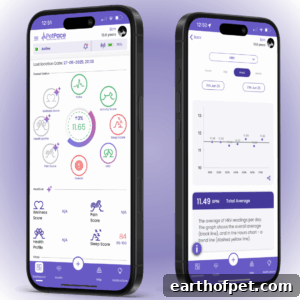
The most important signals of anxiety occur inside the body and aren’t visible to the naked eye. During stress, dogs can show measurable changes in heart rate trends, respiration rate, activity levels, and rest quality or recovery patterns. These internal signals are critical for understanding how severe an episode is, how frequently it happens, and whether an intervention is working over time.
The Solution: How PetPace V3 Supports Anxiety and Stress Monitoring
PetPace V3 is built for continuous, near real-time monitoring of a dog’s physiological patterns—metrics that often change during anxiety. By capturing objective health data around stress events, the system provides actionable insights for owners and veterinarians so they can respond earlier and more effectively.
Key PetPace V3 features that support anxiety and stress monitoring include:
Continuous Vital Signs Monitoring
PetPace V3 tracks core health signals 24/7, helping you spot patterns that correspond to stress episodes, including changes in heart rate and respiration. Continuous monitoring makes it possible to detect subtle shifts before they become obvious behaviors.
Behavior and Activity Context
Because activity patterns are monitored continuously, PetPace V3 links observable behaviors—like pacing or restlessness—to measurable physiological signals. This context helps distinguish anxiety-driven actions from training or behavioral issues.
Smart Alerts for Abnormal Changes
Rather than relying only on memory or sporadic observation, PetPace V3 can generate alerts when a dog’s metrics move outside normal ranges. These notifications help owners notice potential problems sooner and decide whether to intervene or consult a veterinarian.
Shareable Data for Your Veterinarian
PetPace V3 produces structured data and trend reports that can be shared with your veterinarian to support more informed discussions—especially when symptoms occur at home, during the night, or while you’re away.
Proactive Care: Benefits of Monitoring with PetPace V3
Objective health data reduces guesswork and supports a proactive, data-driven approach to managing anxiety in dogs.
1) Identify Triggers Faster
Continuous records make it easier to spot patterns tied to specific times of day, routines, or locations, helping you pinpoint what sets off anxiety.
2) Measure Progress Over Time
Whether you’re using behavioral training, environmental adjustments, calming supplements, or working with a veterinarian, monitoring answers the key question: is the dog actually improving?
3) Support Remote Veterinary Guidance
For telemedicine or remote consultations, objective trend data helps a veterinarian recommend next steps based on evidence rather than memory or anecdote.
4) Detect Escalations Early
Chronic stress can affect a dog’s overall health. Continuous monitoring helps detect rising anxiety levels before episodes intensify and have a larger impact on wellbeing.
5) Peace of Mind When You’re Not Home
For separation anxiety in particular, PetPace V3 keeps you informed about your dog’s physiological state even when you cannot observe them directly.
Ready to Move from Guesswork to Data-Driven Care?
Dog anxiety is real and often rooted in physiological changes—it’s more than just behavior. Most pet owners lack tools to measure it objectively, which makes management difficult. PetPace V3 helps close the gap with continuous monitoring, smart alerts, and clear health insights that support a proactive approach to stress and anxiety management. Learn more about how PetPace V3 can assist dogs coping with anxiety and stress by exploring the device’s features and discussing monitoring options with your veterinarian.