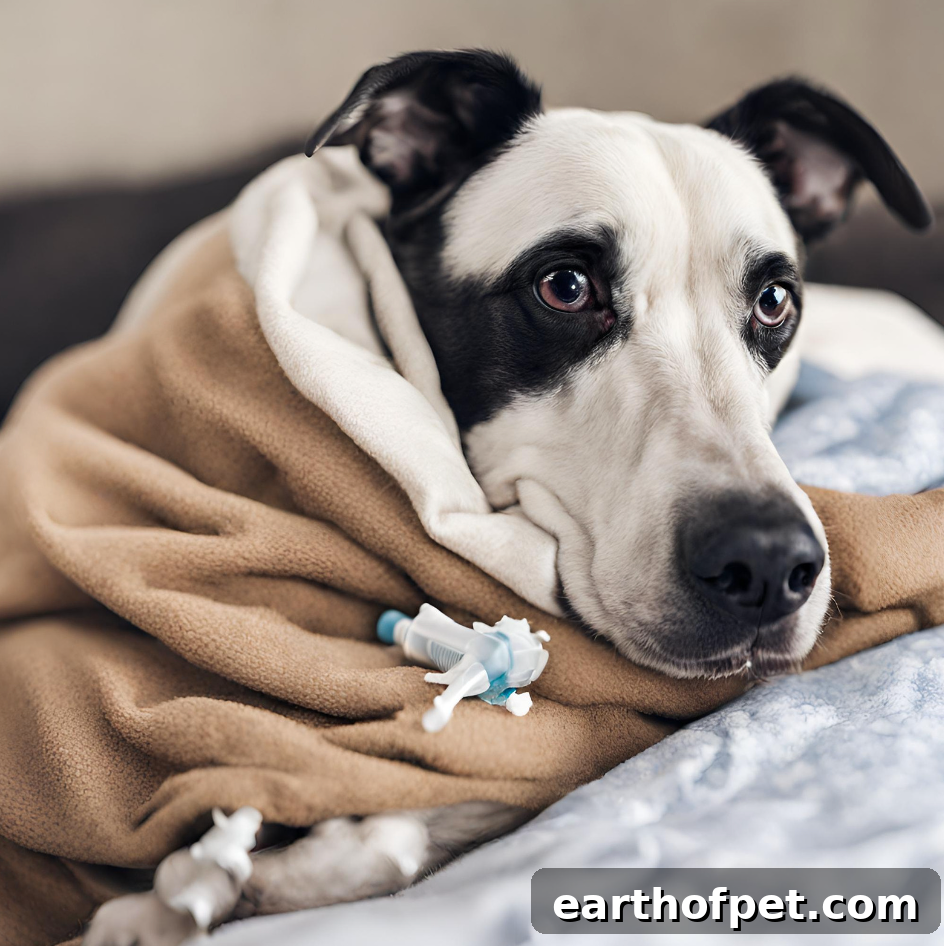
Like humans, dogs can catch respiratory illnesses similar to the common cold. Two of the most commonly seen conditions are canine influenza and tracheobronchitis, commonly called kennel cough. Kennel cough is characterized by a persistent, often loud, honking or whooping cough and can spread quickly in places where dogs are close together.

Pet Disease Management and Monitoring Technology
Modern pet care increasingly relies on technology to help owners detect problems early and manage ongoing health issues. Devices such as AI-enabled dog collars, GPS activity trackers, and biometric pet collars can continuously monitor behavior and vital signs. These tools offer real-time feedback on activity levels, rest patterns, and physiological indicators that may signal illness before visible symptoms become severe.
Canine influenza typically presents with symptoms like coughing, sneezing, a runny nose, nasal congestion, watery eyes, lethargy, and a decreased appetite. Kennel cough often produces a distinct, forceful cough that may sound like gagging; it is highly contagious and is commonly transmitted in kennels, shelters, and other enclosed or crowded settings where dogs interact closely.
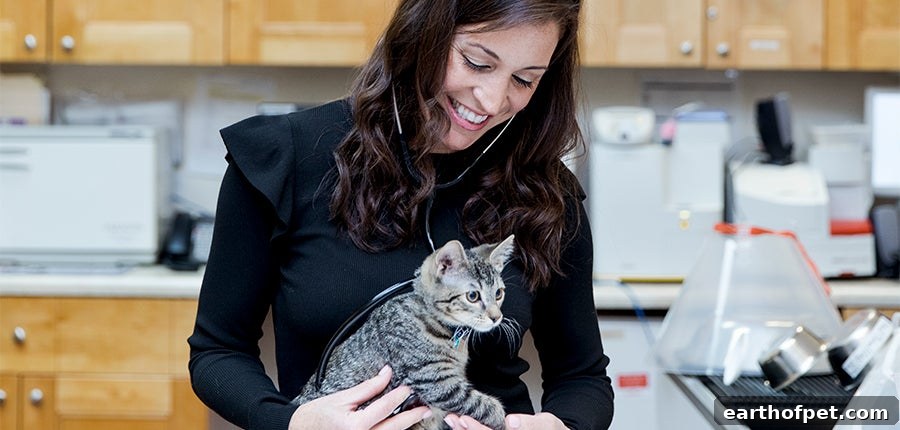
In cats, respiratory illnesses are likewise common. Feline herpesvirus (FHV) is a frequent cause of upper respiratory symptoms similar to a human cold, and it spreads through direct contact with saliva, nasal secretions, or eye discharge from an infected cat. Feline calicivirus is another common pathogen; it can be transmitted through contaminated surfaces and airborne droplets produced when an infected cat coughs or sneezes. Calicivirus infections can lead to sneezing, nasal discharge, and eye discharge, and some strains may cause painful ulcers on the tongue, gums, palate, lips, or nose.
Your Pet’s Silent Needs: Monitoring Their Health
Pets cannot tell us when they feel unwell, so attentive owners must look for subtle changes. Incorporating health monitoring tools—such as a smart pet GPS tracker or a biometric dog collar—into your routine can make it easier to spot early warning signs. These systems track activity, rest, and basic vital signs, enabling you to notice a drop in activity or changes in breathing or sleep that might indicate illness.
When choosing monitoring technology, look for reliable devices that integrate GPS tracking, activity monitoring, and health alerts so you can receive timely information about your pet’s condition. Consistent monitoring helps you and your veterinarian make informed decisions and can speed up diagnosis and treatment when symptoms appear.
At home, supportive care for respiratory illness focuses on comfort and symptom management. Offer a balanced, nutritious diet and consider supplements only after consulting your veterinarian. Keep your pet well hydrated, provide a warm, quiet place to rest, and limit strenuous activity while they recover. A humid environment—using a humidifier or allowing your pet to sit in a steamy bathroom for short periods—can help loosen mucus and ease breathing. Gently wiping nasal and eye discharge with a clean, damp cloth can reduce irritation and improve comfort.
Hygiene and environmental control are important to prevent spread. If a pet is symptomatic, keep them isolated from other animals where possible, wash hands frequently after handling them, and disinfect bedding, bowls, and common surfaces. In multi-pet households, monitor all animals closely for signs of illness and consult your veterinarian about testing or preventive measures.
Vaccination and routine veterinary care play key roles in prevention. Many clinics offer vaccines that reduce the severity of certain respiratory infections and lower the risk of transmission. Regular wellness exams help identify underlying conditions that could increase susceptibility to infections and allow for tailored preventive care.
Seek veterinary attention if your pet shows severe or worsening signs such as persistent high fever, difficulty breathing, bluish gums, refusal to eat or drink for more than 24 hours, or if mild symptoms do not improve within a few days. Early assessment and treatment can prevent complications and promote faster recovery.
In short, respiratory illnesses in dogs and cats are common but manageable with prompt attention, good hygiene, and the right mix of supportive care and monitoring. Combining thoughtful home care with modern pet health technology and routine veterinary guidance helps protect your pet’s health and gives you greater peace of mind.