Congratulations — you’ve welcomed a puppy into your home! Whether this is your first time raising a young dog or you’re an experienced owner, you likely have many questions about your pup’s development, including one common concern: when do puppies lose their baby teeth?
Puppies arrive full of energy and curiosity. Their playful antics and rapid growth stages—from a soft, round puppy belly to gradually growing into oversized paws and ears—make each phase fascinating. One of the most important developmental milestones is dental growth. Your puppy’s initial needle-sharp teeth serve multiple purposes: they help with nursing and soft food, aid exploration of the environment, and later give way to adult teeth as your dog matures.
Understanding the teething timeline can help you provide the right care, minimize stress for your pet, and protect your furniture and belongings along the way. This guide explains what to expect when your puppy loses its baby teeth and how to support their dental health through the transition.
Do Puppies Lose Their Teeth?
Yes — puppies do lose their baby teeth. These primary teeth are called deciduous teeth and typically begin to appear between two and four weeks of age. By around six weeks old, most puppies have their full set of baby teeth. In total, puppies usually develop about 28 deciduous teeth, which are later replaced by a permanent set of approximately 42 adult teeth.
Baby teeth help puppies transition from milk to soft food and function as tools for exploring textures and objects. Chewing during this stage is normal and serves several purposes: it relieves discomfort associated with teething, satisfies natural investigative instincts, and helps new adult teeth erupt properly.
When To Expect Your Dog To Lose Its Baby Teeth
The most noticeable phase of tooth loss often starts around 12 to 16 weeks of age. During this period, you may find small, rice-sized deciduous teeth around the home. These tiny teeth can also be swallowed or chewed up by the puppy, so it’s common not to find every fallen tooth.
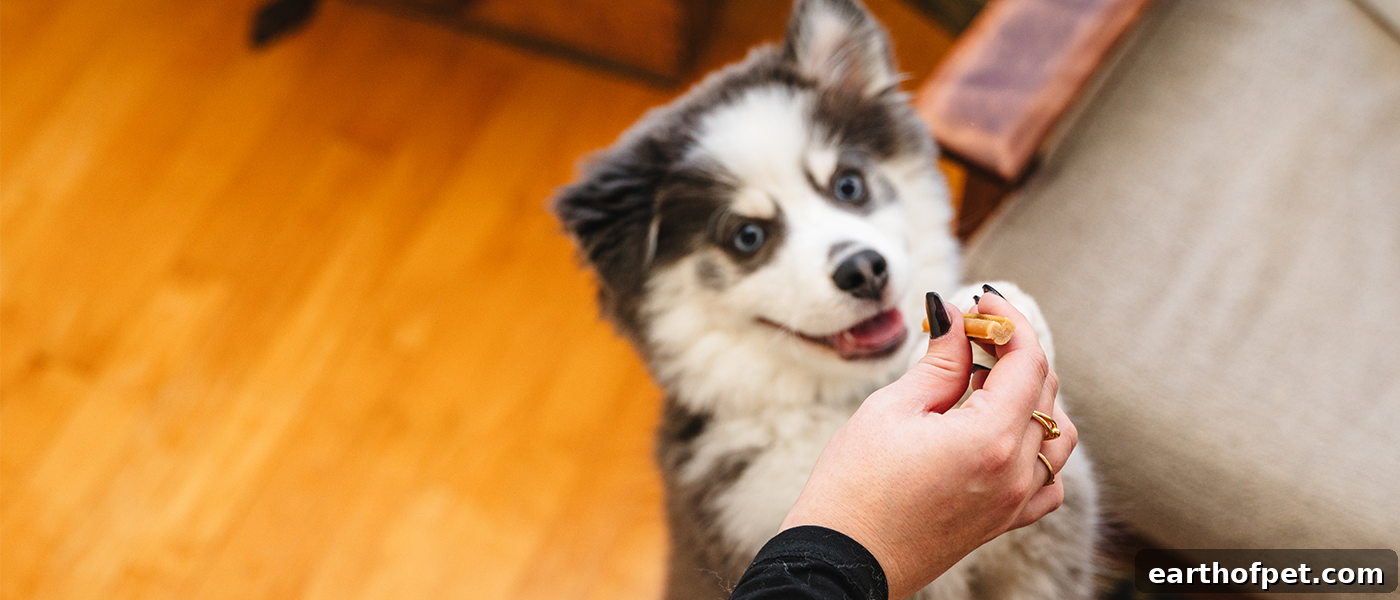
The shedding process can be uncomfortable for your puppy, much like teething in human infants. Providing appropriate chew toys and teething aids can reduce gum pain and redirect destructive chewing away from household items. Offer durable, puppy-safe teething toys, chilled rubber toys, or other veterinarian-recommended items specifically made for teething puppies.
When Do Dogs Lose All Their Baby Teeth?
By approximately six months of age, most puppies have shed all their deciduous teeth and their full set of adult teeth should be in place. Adult dogs typically have around 42 teeth. If any baby teeth remain after this point, they are known as retained deciduous teeth. Retained baby teeth can cause crowding or misalignment of adult teeth and may increase the risk of dental disease, so it’s a good idea to consult your veterinarian if you notice lingering puppy teeth.
Keep in mind that timing can vary by breed and individual. Smaller and toy breeds sometimes experience retained baby teeth more frequently and may require dental evaluation or extraction by a veterinarian to prevent long-term problems.
What To Expect As Your Dog Loses Its Baby Teeth
As your puppy passes through the teething phase, expect more chewing, increased drooling, and occasional minor bleeding from the gums. These signs are usually normal, but persistent heavy bleeding, severe pain, or a reluctance to eat warrants veterinary attention.
Inspect your pup’s mouth every few weeks during teething. Look for signs of swelling, unusual odor, visible broken teeth, or trapped food between loose baby teeth and emerging adult teeth. Regular checks help you spot issues early and confirm that the adult teeth are coming in straight and healthy.
Begin gently acclimating your puppy to tooth brushing once a few adult teeth are present. Use a soft-bristled puppy toothbrush and pet-safe toothpaste formulated for dogs, and introduce brushing in short, calm sessions. Early dental care establishes a routine that benefits long-term oral health.
Supporting Dental Health During Teething
Good dental habits started early will set your dog up for a lifetime of better oral health. Tips to support your pup include:
- Offer a selection of puppy-safe chews and teething toys designed for young mouths to soothe gums and reduce plaque buildup.
- Provide chilled or frozen teething toys for extra relief during painful stages, but always supervise to prevent choking or damage to softer toys.
- Rotate toys to keep your puppy engaged and discourage chewing on household items.
- Introduce gentle tooth-brushing early to build familiarity and reduce dental disease later in life.
- Schedule regular veterinary checkups so your veterinarian can monitor tooth eruption and identify any retained baby teeth or alignment concerns.
Teething is a normal, temporary stage. With appropriate chew items, supervision, and basic dental care, most puppies move through the process without serious issues. If you ever feel unsure or notice persistent problems, consult your veterinarian for personalized advice and treatment options to ensure your puppy’s mouth develops healthily and comfortably.