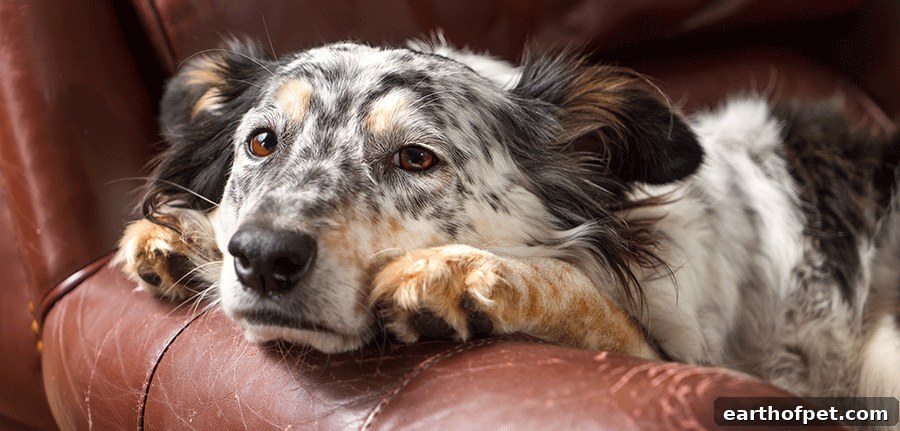
How to Treat Constipation in Dogs
If your dog is having trouble passing stool, you’re not alone—constipation in dogs is a common issue that can range from mild and temporary to serious and painful. This article explains what constipation in dogs looks like, common causes, safe at-home measures, and when to seek veterinary care. It also covers dietary and lifestyle changes you can try to help a constipated dog feel better.
What Is Constipation in Dogs?
Constipation in dogs is the difficulty or inability to pass feces normally. Signs include infrequent bowel movements, hard or dry stools, straining or crying during defecation, small, pellet-like stools, and sometimes abdominal discomfort or lethargy. When feces remain in the colon for an extended period, the bowel absorbs more water from the stool, causing it to become increasingly hard and difficult to pass. Left untreated, severe constipation can progress to obstipation (complete blockage) or cause damage to the colon.
Common Causes of Constipation in Dogs
Constipation can result from many underlying issues that slow or block the normal movement of feces through the colon. Typical causes include:
- Obstruction from foreign objects, pelvic fractures, or an enlarged prostate.
- Painful defecation due to anal injuries, masses, or orthopedic pain that discourages straining.
- Low water intake or dehydration, which reduces stool moisture.
- Low-fiber diets or sudden changes in diet.
- Medication side effects or metabolic and electrolyte disturbances.
- Nerve or spinal problems that affect bowel motility.
- Confinement, lack of exercise, or stress from boarding or a change in routine.
Because constipation can be a symptom of more serious disease, a veterinary evaluation is important whenever a dog shows persistent signs.
What to Give a Dog for Constipation (Safe Approaches)
Before trying home remedies, ensure your dog is evaluated by a veterinarian. The vet may perform a physical exam and recommend diagnostic tests such as abdominal x-rays or bloodwork to rule out obstruction, megacolon, or other underlying conditions.
Hydration Is Critical
Increasing a dog’s water intake is often the first and most important step. Offer fresh water at all times and consider increasing moisture in the diet by feeding canned food, adding warm water to dry kibble, or using pet-safe broth (without onions or excessive salt). Proper hydration can soften stool and improve bowel motility.
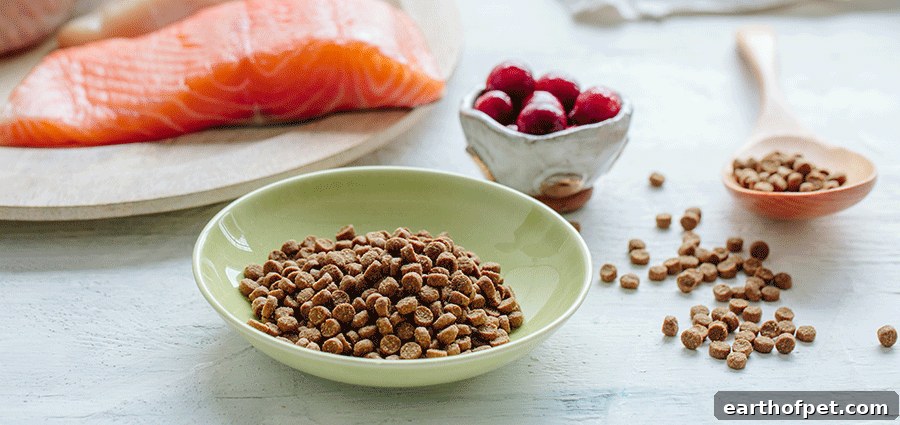
Dietary Fiber and Digestibility
Fiber can help by increasing fecal bulk and stimulating bowel movements, but the ideal approach depends on the cause:
- For many dogs, a modest increase in soluble fiber (via a veterinary-recommended supplement or plain canned pumpkin) can help normalize stool consistency. Introduce fiber gradually over several days to avoid gas or cramping.
- In cases of partial obstruction or megacolon, reducing fecal bulk with a highly digestible, energy-dense diet may be more appropriate. Your veterinarian can advise whether a high-fiber or highly digestible formula is best for your dog.
Fiber Supplements and Natural Options
Veterinarians commonly recommend fiber supplements such as psyllium husk or commercially available veterinary fiber products. Plain canned pumpkin (not pumpkin pie filling) is a simple, natural source of fiber that may help for mild cases, but check with your vet for appropriate amounts and safety for your dog’s specific situation.
Medications and Veterinary Treatments
If dietary and lifestyle changes are insufficient, your veterinarian may prescribe oral laxatives, stool softeners, or other medications. In some cases, manual removal of impacted feces or an enema performed by the clinic is necessary. Never give human laxatives or medications to your dog without veterinary guidance.
Exercise and Routine
Regular exercise stimulates normal intestinal motility. Increasing daily walks and providing consistent opportunities for your dog to relieve themselves can reduce the risk of recurring constipation. Avoid prolonged confinement or sudden changes in schedule when possible.
Monitoring and Follow-Up
- Work closely with your veterinarian to monitor response to treatment and make adjustments as needed.
- Keep a daily record of bowel movement frequency, stool consistency, and any straining or discomfort to share with your vet.
- Successful management is indicated by regular bowel movements, soft but formed stools, and absence of pain or straining during defecation.
- Seek immediate veterinary care if your dog develops vomiting, severe abdominal pain, blood in the stool, or stops eating—these can be signs of a serious obstruction or other emergency.
With prompt veterinary assessment, appropriate dietary and lifestyle changes, and close monitoring, many dogs recover from constipation and maintain healthy digestive function. Always consult your veterinarian before starting supplements or medications to ensure the safest and most effective plan for your pet.