For many years, dry dog food has been the most common choice for pet owners. It’s convenient to store, simple to serve, and many dogs thrive on high-quality dry formulas. In recent years, however, wet and raw dog food diets have gained popularity, prompting pet parents to ask which option is healthiest for their dog. Below we compare dry and wet dog food, highlight the most important qualities to look for in any diet, and offer practical tips to help you decide what’s best for your pet.
Benefits of Dry Dog Food
Dry dog food, often called kibble, offers several advantages for both dogs and their owners. While individual products vary, many well-formulated dry diets provide complete nutrition and practical benefits that make them a solid foundation for most dogs.
Key advantages include:
- Easy storage and long shelf life when unopened
- Simple portion control by following package guidelines
- Encourages chewing, which can help massage gums and reduce plaque buildup
- Balanced nutrition when made from quality ingredients
- Generally milder odor compared with wet or raw diets
The milder smell of dry food can be a benefit for households sensitive to strong pet-food aromas, but it’s also worth noting that dogs rely heavily on scent when choosing food. If your dog is a picky eater, the stronger aroma of wet or fresh diets may be more enticing.
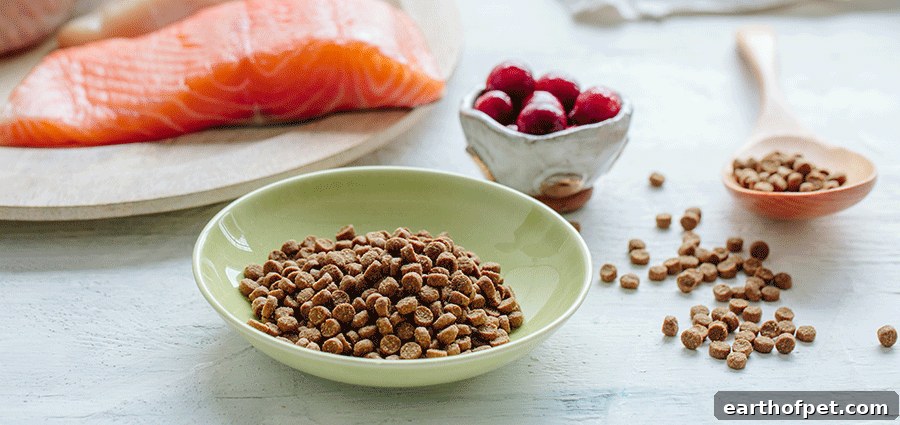
High-quality dry dog foods are formulated with a balance of protein, fat, and carbohydrates appropriate to the dog’s life stage and activity level. Typical healthy recipes contain a substantial protein percentage to support muscles, moderate fats for energy and skin/coat health, and carbohydrates that provide digestible energy. Always check the ingredient list and guaranteed analysis to ensure the formula matches your dog’s needs.
Benefits of Wet Dog Food
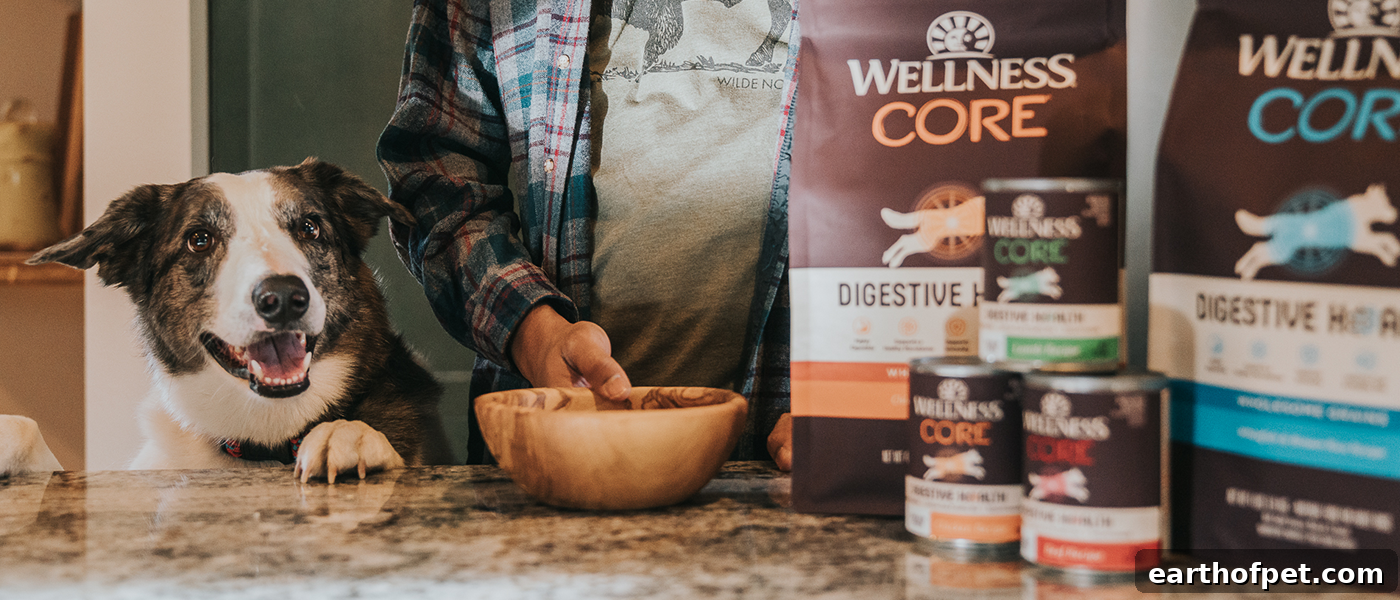
Wet dog food is usually sold in cans or pouches and can be an excellent option in a variety of situations. Its texture and aroma often make it more appealing to fussy eaters, and it can be easier for dogs with dental issues or missing teeth to chew and swallow.
Consider these advantages of wet food:
- Higher moisture content helps with hydration, especially for dogs that drink less water
- Softer texture is easier to chew for seniors, puppies, or dogs with dental problems
- Often formulated to be complete and balanced for various life stages
- Can be messier at feeding time and requires refrigeration after opening
Wet recipes often contain a higher proportion of protein and fat and fewer carbohydrates compared with many dry diets. For highly active dogs that require sustained energy, a carbohydrate-containing dry diet may be more suitable. Conversely, dogs with lower carbohydrate needs or those benefiting from extra moisture may do better with wet food or a mixed-feeding approach.
Important Qualities to Look For in Dog Food
Whether you choose dry, wet, or a combination, prioritize recipes that deliver complete and balanced nutrition for your dog’s age, size, and activity level. Here are the essential qualities to consider when selecting dog food:
- Appropriate protein sources listed near the top of the ingredient list
- Healthy fats for energy, skin, and coat health
- Digestible carbohydrates and fiber to support energy needs and digestive health
- Added nutrients such as vitamins, minerals, and, when appropriate, probiotics or digestive enzymes
- Kibble size and texture suited to your dog’s breed and dental condition
Always read labels carefully and avoid products with vague ingredient descriptions. A high-quality diet should list specific animal proteins and wholesome whole-food ingredients rather than relying on generic terms. If you have a puppy, senior dog, or a breed with special nutritional needs, look for formulas tailored to those life stages and sizes.
Consulting your veterinarian is an important step in choosing the right diet. Your vet can help assess body condition, activity level, and any medical concerns that affect nutritional needs. They can also advise on feeding amounts, transition plans between foods, and whether supplements or specialty diets are warranted.
If you’re deciding between dry and wet food, remember that both options can be healthy when selected thoughtfully. Many pet owners find success with a mixed approach—using dry food for daily meals and wet food periodically to boost palatability and moisture. Monitor your dog’s weight, coat condition, digestion, and overall energy to determine whether the chosen diet is meeting their needs, and adjust as recommended by your veterinarian.
Quality dog food recipes often include probiotics, prebiotic fiber, and balanced nutrients to support digestion and overall well-being. Take time to compare ingredient lists, guaranteed analyses, and feeding guidelines to find the best diet for your companion’s health and happiness.