3 Tips on How to Introduce Wet Food to Cats
Introducing wet cat food can be easy, but it often requires patience and a gentle approach—especially if your cat is a picky eater. A careful transition helps avoid digestive upset and encourages long-term acceptance. This article offers practical, vet-friendly tips for introducing wet food to your cat, helping you manage mealtime transitions while supporting hydration, nutrition, and overall wellbeing.
Below are three reliable strategies to make the switch smoother, plus suggestions for choosing textures and flavors that appeal to most cats.
Tip #1: Start Small
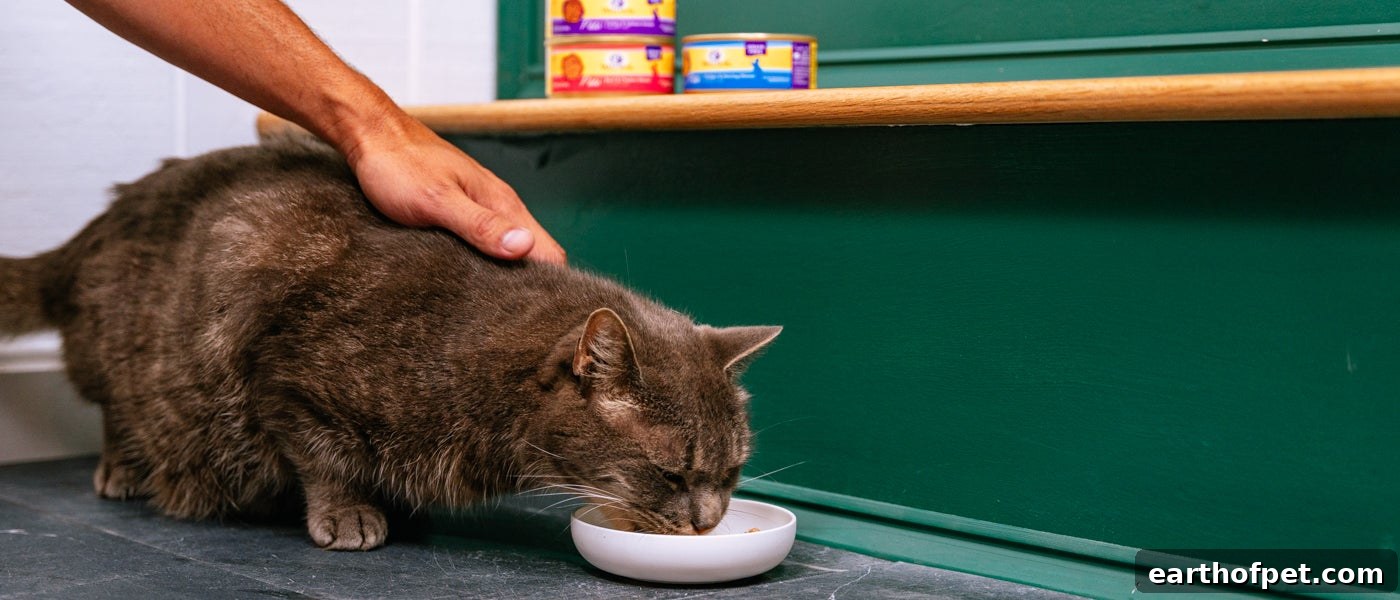
Begin by offering wet food in small amounts so it feels like a treat rather than a full diet change. Place a heaping teaspoon on a saucer or a small plate and let your cat explore the new scent and texture. If your cat accepts that, try using a teaspoon of wet food as a “topping” on their usual dry food. This gradual introduction lets your cat become familiar with the aroma and mouthfeel of wet food without abandoning the dry food they already enjoy.
Keep portions small at first and limit exposure time: don’t leave perishable wet food out all day. Monitor your cat’s reaction and appetite, and increase the amount slowly over several days to weeks depending on their comfort level. If your cat is curious but hesitant, offer the wet food at different times of day when they tend to be most active or hungry.
Tip #2: Serve at Room Temperature
Temperature matters to many cats because scent plays a large role in appetite. Aim to serve wet food at room temperature—neither cold nor hot—to maximize aroma and palatability. If the food has been refrigerated, let it sit for a short time before serving, or warm the sealed container briefly by placing it in a bowl of warm water. Always check that the food is only lukewarm and not hot.
Warming the food slightly can make it more appealing to finicky cats because it releases the food’s natural aromas. Avoid microwaving in the dish, as this can create hot spots and alter texture. Handling temperature carefully helps increase acceptance while keeping feeding safe and pleasant.
Tip #3: Keep Protein Familiar
When transitioning from dry to wet food, start with protein types your cat already likes—chicken, fish, turkey, or other familiar proteins. Maintaining the same primary protein reduces the number of new variables your cat must accept during the change. Once your cat accepts a familiar protein in wet form, experiment with textures such as pâté, minced, or shredded options and wet foods with light gravies or broths to discover preferences.
Over time, gradually introduce new proteins and recipes so your cat becomes adaptable to a range of flavors and textures. Variety helps prevent boredom and makes it easier to switch brands or recipes if a favorite becomes unavailable. Watch for any digestive changes during transitions; if you notice persistent upset, slow the pace or consult your veterinarian.
A Good Place and Taste to Start
Many pet parents find success starting with established wet cat food lines that offer multiple proteins, textures, and portion sizes. Wellness® wet cat foods, for example, provide a range of protein options and textures that can help you determine what your cat prefers. Popular choices often include grain-free pâtés and minced recipes with higher protein content.
Wet foods typically come in several sizes to suit different appetites and households: small 1.75 oz portions for snacks or toppers, 3 oz for single meals, 5.5 oz for homes with multiple cats, and larger 12 oz cans for multi-meal servings or cats that eat more wet food than dry. Selecting the right portion size reduces waste and ensures freshness at each feeding.
Quality wet food recipes combine premium proteins with balanced nutrients to support daily energy, healthy digestion, and overall wellbeing. Observing your cat’s appetite, stool quality, coat condition, and energy levels during a transition gives you practical feedback on how well a new food suits them.

ALL DAY ENERGY

HEALTHY DIGESTION

HEALTHY SKIN & COAT

IMMUNE HEALTH

HEALTHY TEETH & BONES
Nine out of ten cats typically enjoy high-quality wet recipes, which helps many owners find a blend of flavors and formats that satisfy their pets. If you’re unsure where to start, choose a familiar protein in a small portion and use the tasting approach described above.
Bring On the Wet Food Benefits
Wet cat food supports hydration and often contains higher levels of animal protein and moisture compared with dry formulas, making it a valuable part of a balanced feeding plan. There’s no single “right” diet for every cat, but adding wet food to your cat’s regular feeding routine can be beneficial for many pets—especially those that need additional hydration or are more motivated by moist, aromatic meals.
Start today by offering a small, room-temperature portion and observe how your cat responds. Gradually increase the amount if they accept it, and continue exploring textures and proteins to find what keeps your cat healthy, satisfied, and excited for mealtime.
*Based on Studies of Wellness® cat food at an Independent Kennel. Data on file.