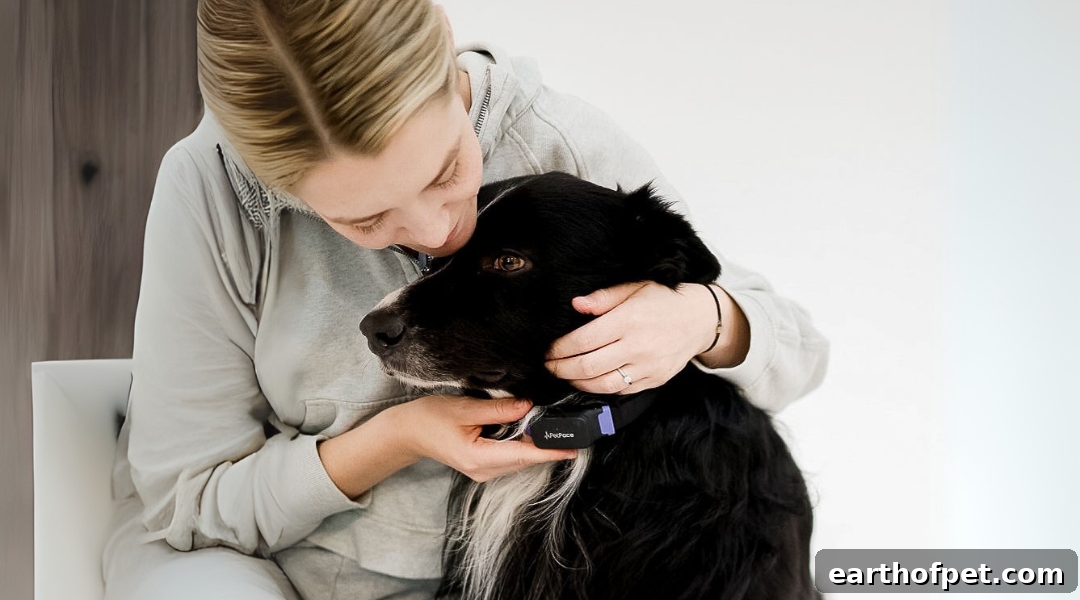
Veterinarians excel at discovering health problems that pets can’t tell us about, but even the best clinic can’t watch every animal around the clock. Wearable health technology fills that gap by continuously monitoring pets and delivering meaningful data to both pet owners and veterinary teams.
For animals with chronic illnesses, aging-related concerns, or subtle changes in behavior, continuous monitoring provides a vital link between veterinary visits. Devices such as the PetPace smart health collar collect real-time biometric information that supports earlier intervention, improved treatment decisions, and better long-term disease management.
Below, we explain how wearable technology is changing modern veterinary care and why it can be so important for your pet’s health.
Is There a Fitbit for Pets?
Many pet owners ask, “Is there a Fitbit for pets?” The short answer: yes — but pet wearables are more medically focused than standard fitness trackers. Human fitness devices track steps, sleep, and activity and rely on a person’s ability to report symptoms. Pets can’t tell us when they feel unwell; their instinct is to hide weakness. By the time obvious signs like limping, extreme lethargy, or appetite loss appear, an illness may be advanced.
Pet-specific wearable monitors aren’t just lifestyle gadgets. They continuously collect health signals that reveal early warning signs before visible symptoms develop. Common data types these devices measure include:
- Heart rate and respiratory rate
- Body temperature
- Activity levels and posture patterns
- Indicators of pain and stress
- Location tracking when enabled
Continuous data can expose subtle deviations from a pet’s baseline, enabling earlier diagnostics and interventions for conditions ranging from infections and inflammation to chronic disease flare-ups. For many animals, ongoing monitoring is the only practical way to detect serious problems in time to act.
Proactive Health Monitoring for Senior Dogs and Chronic Conditions
As dogs age, they become more vulnerable to conditions such as arthritis, heart disease, cancer, and cognitive changes. Regular veterinary checkups remain essential, but they typically happen only once or twice a year. Continuous monitoring fills the gaps between appointments by providing a detailed record of a pet’s daily health and behavior.
With ongoing data, veterinarians can:
- Spot early signs of discomfort or decline
- Evaluate how well treatments are working over time
- Monitor pain levels and overall wellness
- Identify activity and behavior trends that point to emerging problems
This proactive, data-driven approach allows clinicians to adjust therapies sooner, reduce unnecessary suffering, and improve both the length and quality of life for senior and chronically ill pets.
Managing Anxiety, Stress, and Pain: Giving Pets a Voice
Pets frequently mask pain and anxiety, making it hard for owners and veterinarians to know what’s happening between visits. Wearable monitors add objective measures that reveal physiological and behavioral signals indicative of stress, pain, or discomfort.
Important indicators tracked by these devices include:
- Heart rate variability (HRV) to assess stress and anxiety levels
- Postural changes that may signal pain or reduced mobility
- Shifts in activity patterns suggesting distress, lethargy, or mobility issues
Veterinarians use this information to distinguish emotional causes, such as anxiety, from underlying medical issues that manifest as behavioral changes. That distinction is critical for choosing the right intervention—behavioral therapy, medical treatment, or both. Continuous monitoring also supports recovery after surgery and helps clinicians fine-tune medication plans for long-term management.
How Do Wearable Health Monitors Work for Pets?
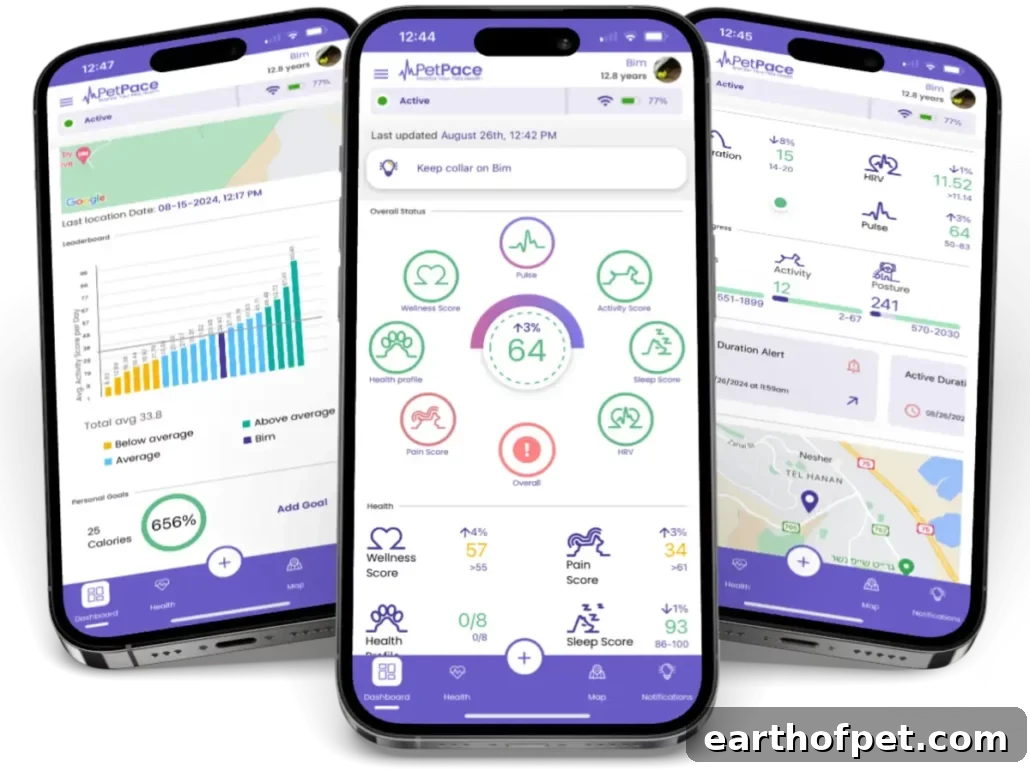
Pet health wearables collect biometric and behavioral data around the clock and translate that information into actionable insights. A typical system like PetPace operates through several components:
- Sensors: Comfortable, non-invasive sensors capture vital signs and motion data.
- Analytics: Algorithms analyze patterns and detect deviations from each pet’s normal ranges.
- Cloud Platform: Owners can view near-real-time dashboards and historical trends, and share reports with their veterinarian.
- Alerts: Automated notifications flag abnormal readings so owners and clinicians can respond promptly.
This continuous loop of sensing, analysis, and alerting enables timely, evidence-based decisions that improve monitoring, treatment adjustments, and overall care planning.
Supporting Veterinarians with Better Data

Wearable health technology is designed to enhance—rather than replace—veterinary expertise. By supplying objective, continuous data, devices like PetPace help clinicians:
- Monitor patients outside the clinic
- Detect health issues earlier to prevent unnecessary suffering
- Evaluate treatment outcomes with greater precision
- Make evidence-based recommendations tailored to each pet
The practical benefits span chronic disease management, postoperative recovery, pain control, senior wellness programs, and behavioral assessments. As one veterinarian described in a user testimonial, having continuous pain scoring and remote access to a dog’s data provided peace of mind and helped guide analgesic decisions for a senior Labrador with osteoarthritis.
Veterinarians remain the primary decision-makers for diagnosis and treatment. When paired with reliable wearable data, they can offer more timely interventions, personalize care plans, and ultimately help pets live healthier, more comfortable lives.