At Wellness Pet, we believe every companion animal deserves a life of complete wellbeing. Pets enrich our homes, and while many animals wait for their forever families, local animal shelters and rescue organizations are on the front lines providing care, rehabilitation, and hope.
Whether you’re an experienced pet owner or stepping into advocacy for the first time, volunteering at an animal shelter is one of the most meaningful ways to give back. This guide explains how to get started as a shelter volunteer, highlights reputable rescue organizations across the United States, and suggests other ways to support animal welfare beyond hands-on care.
Why Volunteer at an Animal Shelter?
There’s a common misconception that shelter animals are “damaged” or unadoptable. In reality, most pets arrive at shelters due to life events—owner financial hardship, family changes, relocation, or medical challenges—not because they lack value or the ability to thrive in a new home.
Volunteering benefits animals and the wider community. By donating your time as a shelter volunteer you can:
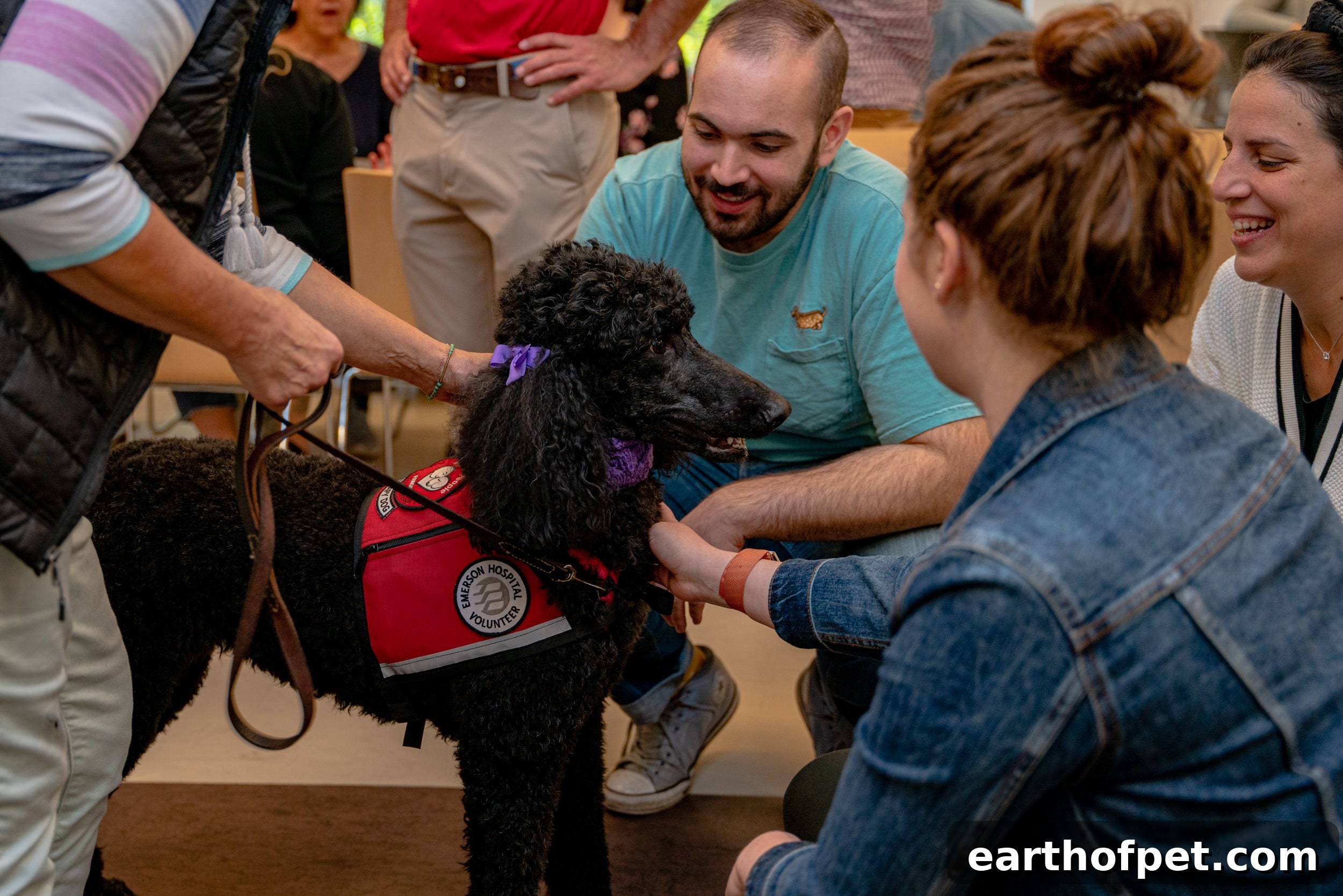
- Socialize Animals: Regular interaction helps pets become more confident and increases their chances of adoption.
- Support Shelter Staff: Volunteers free up trained professionals to focus on medical care, behavior assessments, and intake procedures.
- Raise Awareness: Volunteers help educate the public about adoption, spay/neuter programs, and responsible pet ownership.
How to Get Started: A Step-by-Step Guide
Becoming a shelter volunteer is straightforward. Most rescue organizations welcome new helpers and provide the guidance you need to contribute safely and effectively.
- Find a Local Rescue or Shelter: Search for animal shelters, humane societies, and rescue groups in your area. National networks can help you locate nearby partners and volunteer openings.
- Complete an Application: Many shelters ask volunteers to submit a short application and undergo a basic background check to ensure a safe environment for staff and animals.
- Attend Orientation: Orientations cover safety policies, animal handling rules, and the facility’s procedures so you can volunteer confidently.
- Start Training: Most organizations pair new volunteers with experienced mentors who provide hands-on training for dog walks, cat care, cleaning, or office tasks.
- Be Flexible: You don’t need to commit full time. Even a few hours a month can make a measurable difference to animals awaiting adoption.
State-by-State Shelter Highlights: Where to Volunteer
During our Wellness Global Service Day, more than 250 Wellness team members volunteered at shelters across the U.S. and abroad. Below are some respected organizations—many of which regularly seek volunteers—organized by state to help you find a place to give your time.
Massachusetts (MA)
- Lowell Humane Society (Lowell): A community-focused shelter working to place a diverse range of animals in loving homes.
- MSPCA at Nevins Farm (Methuen): A unique facility that cares for both companion animals and farm animals, including horses and goats.
- Cape Ann Animal Aid (Gloucester): A no-kill rescue that depends on community volunteers and fosters.
- Northeast Animal Shelter (Salem): One of the region’s largest non-profit adoption centers, offering many volunteer roles.
- Paws (Wakefield): Focused on rescuing and rehoming local cats and dogs.
- Animal Rescue League (Burlington): The first female-founded animal welfare organization in Massachusetts, providing rescue, adoption, veterinary care, and law enforcement support for cruelty cases.
- Operation Delta Dog (Burlington): Known for training rescue dogs as service animals for veterans; they also welcome volunteers to assist with operations and program support.
New Hampshire (NH)
- Salem Animal Rescue League (Salem): Provides temporary care and medical support for animals awaiting permanent homes.
- Animal Rescue League of NH (Bedford): A community resource center that helps thousands of animals each year through adoption and care.
- Operation Delta Dog (Hollis): Rescues shelter dogs and trains them to serve as service animals for veterans, also offering volunteer opportunities.
Illinois (IL)
- PAWS Chicago: A leader in the No-Kill movement with volunteer roles ranging from foster care to event coordination.
Utah (UT)
- Best Friends Animal Society (Kanab & Salt Lake City): A national leader in animal welfare, operating sanctuaries and volunteer programs in Utah.
Indiana (IN)
- Humane Society of St. Joseph County: A welcoming place for volunteers in the South Bend area.
- South Bend Animal Rescue: Commits to rehabilitating and rehoming pets in the local community.
Minnesota (MN)
- Carver-Scott Humane Society: Connects pets and people through adoption services and community outreach.
- Pet Haven Minnesota (South St. Paul): A pioneer foster-based rescue and strong advocate for the no-kill movement.
- Animal Humane Society (South St. Paul): Volunteers help with dog walks, cleaning, and daily care, allowing staff to focus on health and placement.
North Carolina (NC)
- Humane Society of Eastern Carolina (Greenville): A long-standing community resource for rescue, advocacy, and pet support services.
New York (NY)
- Pets Alive Animal Sanctuary: Provides a safe refuge for animals at high risk and connects them with lifesaving resources.
Arkansas (AR)
- Bella Vista Animal Shelter (Decatur): Rescues, rehabilitates, and provides medical care while working to reunite lost pets or find adoptive families.
California (CA)
- Best Friends LA: Focused on making Los Angeles a no-kill city through volunteer engagement and adoption initiatives.
Ways to Help (Beyond the Kennel)
If direct animal care isn’t right for you, shelters still need many kinds of support. Consider these volunteer roles that expand a shelter’s reach and resources:
- Organize Donation Drives: Collect items like towels, newspapers, blankets, or high-quality pet food to support shelter operations.
- Community Outreach: Represent your local shelter at events to raise awareness, educate the public, and fundraise.
- Youth and Educational Programs: Help run or develop children’s programs that teach compassion, responsible pet care, and the benefits of adoption.
Join the Movement
Volunteering at an animal shelter is more than a way to spend time—it’s an opportunity to change a pet’s future. Every hour you give helps animals receive care, training, and a better chance at adoption.
Ready to begin? Contact a shelter listed above or search for a rescue in your neighborhood. Together, we can work toward a future where every pet is healthy, loved, and part of a caring home.
Looking for more pet care tips or ways to get involved? Join our community for expert advice and exclusive savings!